


The Rise of the Battery Beast: Redefining Heavy-Duty Cutting
For years, if you talked about “heavy-duty” chainsaw work – felling trees, bucking large logs, or clearing significant storm damage – the conversation always circled back to powerful, gas-guzzling machines. And honestly, for a long time, that was absolutely true. Battery chainsaws were often seen as handy tools for light limbing or small firewood processing, a convenient sidekick but never the main event.
Table Of Content
- The Rise of the Battery Beast: Redefining Heavy-Duty Cutting
- What Makes a Battery Chainsaw “Heavy-Duty”? What to Look For
- Power Output and Battery System
- Bar Length and Chain Type
- Motor Type and Construction
- Ergonomics and Safety Features
- Our Top Picks: Battery Chainsaws That Deliver on Heavy-Duty Promises
- Stihl MSA 300 C-O: The Professional’s Choice
- Husqvarna 540i XP: Engineered for Performance
- DEWALT 60V MAX FlexVolt DCCS677B: Prosumer Powerhouse
- Makita XGT 40V max GUC01: Unmatched Torque and Speed
- Getting the Most Out of Your Heavy-Duty Battery Chainsaw
- Battery Management is Key
- Proper Cutting Technique and a Razor-Sharp Chain
- Regular Maintenance: Don’t Skip It!
- The Verdict: Are Battery Saws Truly Ready for Heavy-Duty?
But let me tell you, things have changed dramatically. Battery technology has advanced so rapidly that a new breed of cordless chainsaws has emerged, capable of tackling tasks that would have been unthinkable just a few years ago. These aren’t your grandpa’s electric saws; these are genuine powerhouses designed for serious work. They offer incredible convenience – instant start, no mixing fuel, less noise, and zero emissions – making them incredibly appealing for landowners, homeowners, and even professional arborists who need serious cutting power without the gas engine hassle.
When I talk about “heavy-duty” for battery saws, I’m not suggesting you’ll be logging redwoods all day long. What I mean is handling small to medium tree felling (think 12-20 inch diameter trees), bucking substantial logs, and sustained, demanding cutting sessions without constantly running out of juice or power. If you’re looking to cut down a problematic oak in your yard, process a cord of firewood, or clear significant brush, these saws are absolutely up to the challenge.
What Makes a Battery Chainsaw “Heavy-Duty”? What to Look For
Not all battery saws are created equal, especially when it comes to demanding tasks. So, what separates the contenders from the pretenders? It boils down to a few critical factors that work together to deliver real cutting muscle.
Power Output and Battery System
This is where the rubber meets the road. You’ll want to look for higher voltage systems, typically 60V, 80V, or even 120V (often achieved by combining two high-voltage batteries). The voltage dictates the potential power, while the Amp-hours (Ah) determine how long that power can be sustained. For heavy-duty use, you need at least a 5.0 Ah battery, and ideally, you’ll have multiple batteries on hand. Manufacturers are getting clever, with some systems allowing you to hot-swap batteries or even use two simultaneously for extended run time and peak power. This is crucial because continuous, demanding cuts drain batteries fast. Don’t underestimate the importance of a fast charger, either!
Bar Length and Chain Type
For heavy-duty work, a 14-inch bar just won’t cut it (pun intended!). You’ll need at least a 16-inch bar, and ideally, an 18-inch or even 20-inch bar option. The longer bar allows you to fell larger diameter trees and buck bigger logs more efficiently. Paired with this, the chain type matters. Look for semi-chisel or full-chisel chains designed for aggressive cutting, rather than the more common low-kickback chains found on lighter consumer models. A sharp, aggressive chain is paramount for any saw, but especially for battery models where every bit of efficiency counts.
Motor Type and Construction
Every heavy-duty battery chainsaw worth its salt will feature a brushless motor. If it doesn’t, walk away. Brushless motors are far more efficient, deliver more torque, run cooler, and last longer than their brushed counterparts. This translates directly into more cutting power and extended battery life. Beyond the motor, look for robust, durable construction. A heavy-duty saw needs to withstand tough conditions, so metal bucking spikes and a solid housing are indicators of quality.
Ergonomics and Safety Features
Even the most powerful saw is useless if it’s uncomfortable or unsafe to use. For heavy-duty tasks, you’ll be putting in some serious time. Look for good weight balance, ergonomic handles that reduce fatigue, and reliable safety features like an inertia-activated chain brake and a comfortable rear handle. Tool-less chain tensioning is a huge plus, saving you time and hassle in the field. Imagine you’re out in the woods, far from your workshop, and need to adjust your chain – fumbling for a wrench in the dirt isn’t ideal, is it?
Our Top Picks: Battery Chainsaws That Deliver on Heavy-Duty Promises
Based on my experience and what I’ve seen in the field, these are the battery chainsaws currently leading the pack when it comes to serious, heavy-duty cutting. They represent the best blend of power, runtime, and professional-grade features.
Stihl MSA 300 C-O: The Professional’s Choice
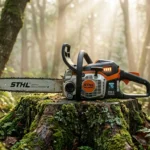
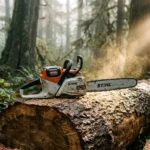
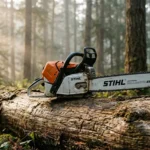
Stihl has been a gas-powered legend for decades, and their entry into the professional battery market with the MSA 300 C-O is nothing short of impressive. This saw is designed for arborists and demanding landowners. It boasts a powerful 3.0 kW (peak) output, making it equivalent to a professional 40-45cc gas saw. It runs on Stihl’s AP System batteries (specifically recommended with the AP 500 S battery for maximum performance) and can handle up to an 18-inch bar. The power delivery is incredibly smooth and consistent, even through larger diameter wood. It’s expensive, but if you want top-tier performance and reliability, this is it.
Husqvarna 540i XP: Engineered for Performance
Another industry giant, Husqvarna’s 540i XP is a formidable competitor to the Stihl. Designed with professional tree care in mind, it offers power comparable to a 40cc gas saw. It’s incredibly well-balanced and uses Husqvarna’s professional 36V BLi-X battery system (often recommended with the BLi300 battery). You can run an 18-inch bar on this beast, and its cutting speed is genuinely impressive. Like the Stihl, it’s a premium product with a premium price tag, but it absolutely delivers on its heavy-duty promise, especially for felling small to medium trees and extensive limbing. In my opinion, both the Stihl and Husqvarna are at the absolute cutting edge of battery chainsaw technology right now.
DEWALT 60V MAX FlexVolt DCCS677B: Prosumer Powerhouse
For the serious homeowner, landowner, or prosumer who needs robust performance without necessarily breaking the bank for the absolute top-tier professional models, the DEWALT 60V MAX FlexVolt chainsaw (like the DCCS677B or its newer iterations) is an outstanding choice. This saw leverages DEWALT’s powerful 60V FlexVolt battery system, which can also power a range of other tools. It typically comes with a 16-inch or 18-inch bar and delivers surprising torque and cutting speed. It’s perfectly capable of felling trees up to 16-18 inches in diameter and bucking firewood all day long, provided you have enough charged batteries. Its versatility with the FlexVolt system is a huge bonus.
Makita XGT 40V max GUC01: Unmatched Torque and Speed
Makita has really stepped up their game with their 40V max XGT system, and the GUC01 battery chainsaw is a testament to that. This saw offers incredible torque and very high chain speeds, making it feel remarkably like a gas saw in hand. It can handle up to an 18-inch bar and is designed for continuous heavy-duty work. The XGT batteries are robust and designed for demanding applications, offering good run time and fast charging. If you’re already invested in the Makita XGT platform, this chainsaw is a no-brainer for heavy-duty tasks around your property.
Getting the Most Out of Your Heavy-Duty Battery Chainsaw
Having a powerful battery chainsaw is one thing, but knowing how to maximize its potential and longevity is another. These tips apply to all chainsaws, but they become even more critical for battery models where efficiency directly impacts run time.
Battery Management is Key
This might seem obvious, but it’s the most overlooked aspect. Always have at least two, preferably three, fully charged batteries on hand. Rotate them to allow batteries to cool down between uses. Don’t run them completely dead if you can avoid it, as this can shorten their lifespan over time. Store your batteries in a cool, dry place and follow the manufacturer’s charging guidelines. A good battery management strategy can significantly extend your workday and the life of your expensive batteries.
Proper Cutting Technique and a Razor-Sharp Chain
You wouldn’t try to saw wood with a dull hand saw, so why would you with a chainsaw? A sharp chain is absolutely non-negotiable for heavy-duty battery saws. It reduces the strain on the motor, conserves battery power, and makes cutting safer and more efficient. Learn how to sharpen your chain properly, or have a professional do it regularly. As for technique, let the saw do the work; don’t force it. Use proper felling techniques with a hinge and felling cut for trees, and ensure stable footing. But what good is a powerful saw if its chain is dull and you’re fighting it every step of the way?
Regular Maintenance: Don’t Skip It!
Just because it doesn’t have gas doesn’t mean it’s maintenance-free. Keep your bar groove clean, especially after cutting sappy wood. Check your sprocket for wear. Ensure your chain oil reservoir is always full with quality bar and chain oil. Regularly inspect your chain for damage or stretching. Keeping your heavy-duty battery chainsaw well-maintained will ensure it performs reliably and safely for years to come. For more detailed maintenance tips, check out the resources here on Best professional chainsaw.
The Verdict: Are Battery Saws Truly Ready for Heavy-Duty?
Absolutely, without a doubt! For many users, battery chainsaws have moved beyond novelty and are now serious contenders for heavy-duty work. They offer a compelling alternative to gas saws, especially for tasks that require intermittent cutting, quiet operation, or when working in noise-sensitive environments.
While a high-horsepower gas saw might still be the go-to for all-day commercial logging operations in very large timber, for the vast majority of landowners, homeowners, and even many professional arborists tackling smaller removals, the power, convenience, and low maintenance of these top-tier battery chainsaws are simply unmatched. So, if you’ve been hesitant to go cordless for your serious cutting needs, it’s time to take another look. You might be surprised at just how much power you can get from a battery.