
Welcome, fellow woodcutters and landowners! If you’re considering an electric chainsaw, especially a battery-powered one, you’ve likely encountered terms like “brushed” and “brushless” motors. These aren’t just technical jargon; they represent fundamental differences in how your chainsaw operates, affecting everything from its power and efficiency to its lifespan and price. As your trusted chainsaw expert, I’m here to demystify these motor types so you can make an informed decision for your next tool.
Table Of Content
- Brushed Electric Motors: The Traditional Workhorse
- How They Work
- Pros of Brushed Motors
- Cons of Brushed Motors
- Brushless Electric Motors: The Modern Powerhouse
- How They Work
- Pros of Brushless Motors
- Cons of Brushless Motors
- Brushed vs. Brushless: A Quick Comparison
- Choosing the Right Motor Type for Your Needs
- The Verdict
Electric chainsaws, whether corded or cordless, rely on electric motors to spin the chain. The type of motor dictates much of the saw’s performance envelope. Let’s dive into the specifics.
Brushed Electric Motors: The Traditional Workhorse
Brushed motors are the older, more traditional technology found in many electric power tools, especially entry-level models. They’re relatively simple in design and operation.
How They Work:
In a brushed motor, electricity is fed to a spinning component called the rotor (or armature) via stationary carbon blocks called brushes. These brushes make physical contact with a segmented metal ring on the rotor called the commutator. As the rotor spins, the brushes transfer current to different segments of the commutator, creating an electromagnetic field that pushes against fixed magnets (the stator) in the motor housing, causing continuous rotation.
Pros of Brushed Motors:
- Lower Cost: They are cheaper to manufacture, which translates to more affordable chainsaws.
- Simple Design: Fewer complex electronic components mean they can be easier to repair (e.g., replacing brushes).
- Readily Available: This technology has been around for decades, so parts and expertise are common.
Cons of Brushed Motors:
- Less Efficient: The friction between the brushes and the commutator generates heat, which is wasted energy. This means less power is delivered to the chain and battery life is shorter.
- Wear and Tear: The carbon brushes wear down over time and need periodic replacement. This friction also creates sparks and carbon dust.
- Heat Buildup: Significant heat generation can limit continuous use and potentially shorten the motor’s overall lifespan.
- Less Power/Torque: Generally, they produce less consistent power and torque compared to brushless motors of similar size.
For chainsaws, brushed motors are typically found in corded electric models or very entry-level cordless units designed for light pruning and occasional use around the yard.
Brushless Electric Motors: The Modern Powerhouse
Brushless motors represent a significant leap forward in electric motor technology and are now standard in most high-performance cordless power tools, including premium Electric Chainsaws.
How They Work:
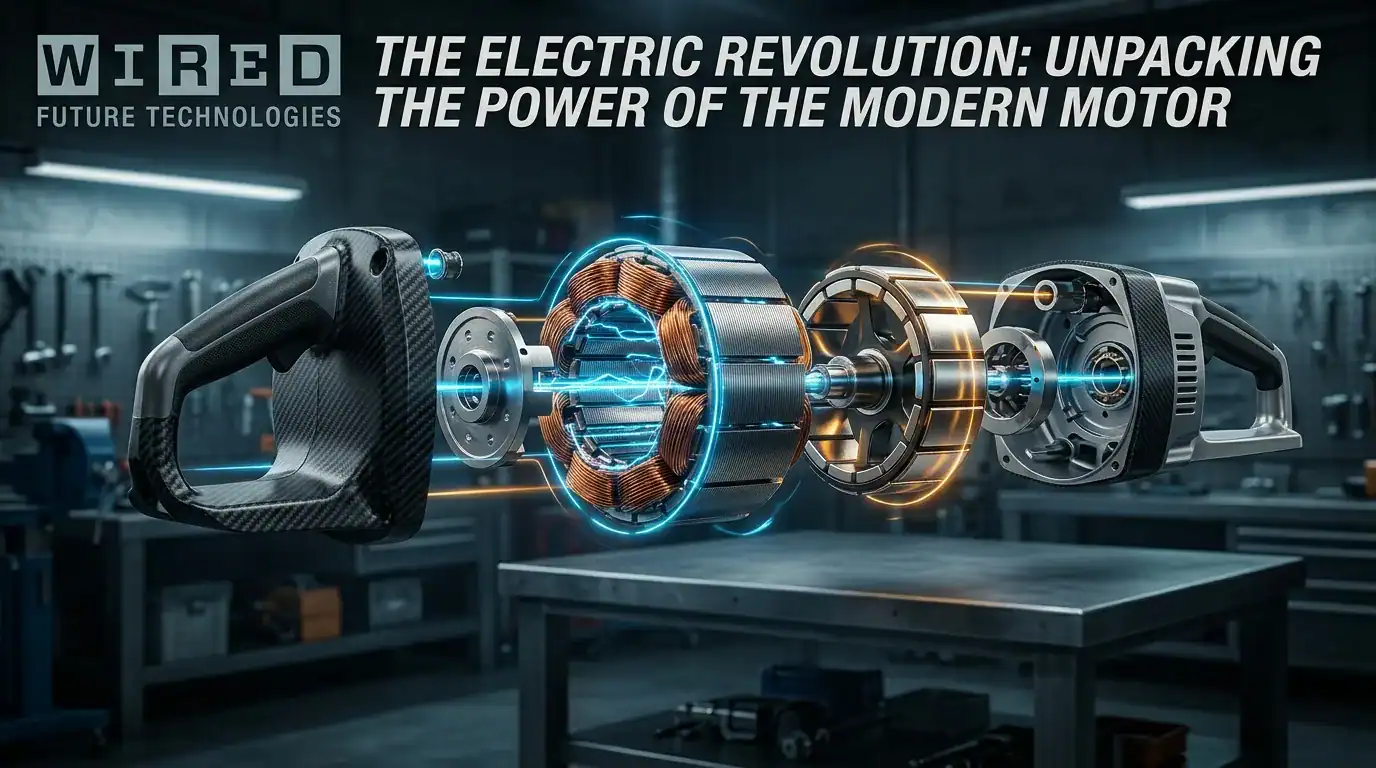
The key difference is right in the name: no brushes! Instead of physical contact, brushless motors use an electronic controller to switch the direction of the electric current. In these motors, the magnets are often on the rotor, and the coils (electromagnets) are on the stator. The electronic controller precisely energizes the stator coils in sequence, creating magnetic fields that “pull” and “push” the rotor’s permanent magnets, causing it to spin. It’s essentially a sophisticated dance choreographed by electronics.
Pros of Brushless Motors:
- Much Higher Efficiency: With no friction from brushes, nearly all the electrical energy is converted into rotational power. This means more power to the chain and significantly longer battery run times.
- Longer Lifespan: Without brushes to wear out, there are fewer components to fail due to friction. This translates to a longer-lasting motor.
- More Power and Torque: They deliver more consistent and higher torque, especially under load, making them better suited for tougher cutting tasks.
- Less Heat Generation: Minimal friction means less heat, allowing for longer continuous operation without overheating.
- Quieter Operation: The absence of brush-to-commutator friction makes them generally quieter.
- Variable Speed Control: The electronic controller allows for precise speed adjustments, offering better control over cutting.
Cons of Brushless Motors:
- Higher Cost: The sophisticated electronic controllers and advanced manufacturing make brushless motors more expensive.
- More Complex Electronics: While reliable, if the electronics fail, repairs can be more complicated and costly.
You’ll find brushless motors in top-tier cordless electric chainsaws from brands like EGO, DeWalt, Stihl (e.g., MSA series), and Husqvarna. These are the go-to choice for serious landowners, professional arborists, and anyone needing performance comparable to small gas chainsaws without the fumes and maintenance.
Brushed vs. Brushless: A Quick Comparison
To summarize, here’s a side-by-side look at the key differences:
| Feature | Brushed Motor | Brushless Motor |
|---|---|---|
| Efficiency | Lower (energy lost as heat/friction) | Higher (minimal energy loss) |
| Lifespan | Shorter (brushes wear out) | Longer (no wearable brushes) |
| Power/Torque | Good for light tasks, less consistent | Higher, more consistent, especially under load |
| Heat Generation | Higher | Lower |
| Maintenance | Brushes need periodic replacement | Virtually maintenance-free (motor) |
| Cost | Lower | Higher |
| Noise | Typically louder | Typically quieter |
Choosing the Right Motor Type for Your Needs
Now that you understand the technicalities, how do you choose?
- For Light-Duty Homeowner Tasks: If you only need a chainsaw for occasional pruning of small branches (up to 6-8 inches in diameter) or cutting up very small firewood, a brushed electric chainsaw (corded or entry-level cordless) might be sufficient and save you some money upfront. Its limitations in power and runtime won’t be as noticeable for short, infrequent jobs.
- For Moderate to Heavy-Duty Use, Landowners, and Enthusiasts: If you’re felling small to medium trees (8-16 inches), bucking larger firewood, or require longer run times and more consistent power for demanding tasks, a brushless electric chainsaw is the clear winner. The increased efficiency translates directly to longer battery life and more power for aggressive cutting. The higher initial investment will pay off in performance, durability, and less frustration. These are the types of tools often featured on Best Professional Chainsaw for their robust capabilities.
- Consider Your Battery System: Brushless motors truly shine in battery-powered tools. If you’re investing in a battery platform (e.g., 40V, 60V, 80V), opting for brushless tools will maximize the performance and runtime you get from your expensive batteries.
The Verdict
While brushed motors still have their place in budget-friendly or corded tools, the future and present of high-performance electric chainsaws are undeniably brushless. For homeowners, DIY users, and landowners looking for a powerful, efficient, and reliable alternative to gas models, investing in a brushless electric chainsaw is highly recommended. You’ll experience superior performance, longer battery life, and a tool that’s built to last, making your woodcutting tasks safer and more enjoyable.