

Why a Beginner-Friendly Chainsaw Matters: Safety First!
Stepping into the world of chainsaws can feel both exhilarating and a little daunting, especially for beginners. The sheer power these tools wield is impressive, but it demands respect and a proper understanding of how to operate them safely. Choosing the right chainsaw for your first foray isn’t about picking the cheapest or the most powerful; it’s about selecting a tool that prioritizes safety, ease of use, and control, allowing you to build confidence and develop good habits from the start.
Table Of Content
- Why a Beginner-Friendly Chainsaw Matters: Safety First!
- Understanding the Risks: Kickback and Operator Fatigue
- Key Features to Look for in Your First Chainsaw
- Electric Chainsaws: Simplicity and Low Maintenance
- Gas Chainsaws: Power for Larger Jobs (with caveats)
- Bar Length and Weight: The Sweet Spot for Beginners
- Essential Safety Features and Ease of Use
- Top Chainsaw Picks for Beginners (2026 Recommendations)
- Cordless Electric: The Grab-and-Go Option
- Corded Electric: Unlimited Power for the Home
- Small Gas Chainsaws: Stepping Up for Bigger Tasks
- Mastering the Basics: Safe Operation and Essential Maintenance for Newbies
- Non-Negotiable Personal Protective Equipment (PPE)
- Pre-Operation Checks and Basic Cutting Techniques
- Essential Beginner Maintenance
- Beyond the Purchase: Growing Your Chainsaw Skills
Many new users, eager to tackle yard work or firewood tasks, might be tempted by larger, more aggressive models. However, this often leads to operator fatigue, loss of control, and a significantly increased risk of accidents. A chainsaw designed with beginners in mind helps mitigate these common challenges by offering features that simplify operation and reduce inherent risks. It’s a bit like learning to drive; you wouldn’t start with a high-performance sports car, would you? You’d choose something reliable and easy to handle.
I remember my own first experience with a chainsaw – a bulky, older model that felt like it had a mind of its own. I quickly learned that fighting the tool was not only exhausting but also incredibly dangerous. That experience cemented my belief that the right tool for the job, especially when you’re just starting, is one that works with you, not against you. By starting with a manageable chainsaw, you can focus on mastering fundamental techniques rather than struggling with an overpowered machine.
Understanding the Risks: Kickback and Operator Fatigue
Two of the biggest dangers for new chainsaw operators are Kickback and operator fatigue. Kickback occurs when the moving chain at the tip of the guide bar strikes an object, or when the wood closes in and pinches the chain in the cut, forcing the saw to rapidly and unexpectedly fly upward and backward towards the operator. It happens in a fraction of a second and can lead to severe injuries if you’re not prepared or if your saw doesn’t have adequate safety features.
Operator fatigue, on the other hand, might seem less dramatic but is equally perilous. A heavy, unbalanced chainsaw can quickly tire out your arms and back, diminishing your focus, reaction time, and ability to maintain a firm grip. This fatigue significantly increases the likelihood of making mistakes, such as losing control of the saw, misjudging a cut, or failing to react quickly to kickback. Beginner-friendly chainsaws are often lighter and better balanced, which helps delay the onset of fatigue and keeps you safer for longer.
Key Features to Look for in Your First Chainsaw
When you’re ready to choose your first chainsaw, understanding the essential features will guide you toward the perfect match for your needs and skill level. It’s not just about raw power; it’s about a combination of power source, size, weight, and critical safety mechanisms. Let’s break down what truly matters for a novice.
Electric Chainsaws: Simplicity and Low Maintenance
For many beginners, an electric chainsaw is an excellent starting point due to its simplicity and ease of maintenance. They come in two main types: corded and cordless.
- Corded Electric Chainsaws: These saws plug directly into an outlet, offering unlimited runtime and consistent power. They are typically lighter, quieter, and require minimal maintenance beyond keeping the chain sharp and oiled. Corded models like the Greenworks 12-Amp 16-inch Corded Chainsaw are perfect for homeowners with smaller yards, occasional pruning, or cutting small logs for firewood, where access to an electrical outlet isn’t an issue. They eliminate the hassle of fuel mixing and engine pull-starts, making them incredibly user-friendly.
- Cordless Electric Chainsaws (Battery-Powered): Offering superior portability, cordless chainsaws are powered by rechargeable lithium-ion batteries. They are quieter, produce zero emissions, and start instantly with the push of a button. While runtime is limited by battery life (typically 30-60 minutes of continuous cutting, depending on the battery size and task), they are ideal for jobs further from power sources, such as clearing brush on a larger property or quick pruning tasks. Models like the DeWalt 20V MAX XR DCCS620B (12-inch bar) or the EGO Power+ CS1604 (16-inch) strike a great balance between power and ease of use for beginners, tackling branches up to 10-14 inches in diameter with surprising efficiency.
Gas Chainsaws: Power for Larger Jobs (with caveats)
If your tasks involve felling small trees (up to 12-16 inches in diameter), bucking larger logs for firewood, or working in remote areas without electricity, a small gas-powered chainsaw might be necessary. However, they come with a steeper learning curve due to their weight, noise, vibration, and maintenance requirements. For beginners, it’s crucial to look for models with smaller engine displacements, typically in the 30-40cc range, as these offer a better power-to-weight ratio and are more forgiving to handle.
Gas saws require mixing gasoline with two-stroke oil, regular air filter cleaning, and occasional carburetor adjustments. They are also significantly louder and produce exhaust fumes. Despite these considerations, their unmatched power and unrestricted mobility make them indispensable for certain tasks. Just be sure to invest in proper hearing protection and use them in well-ventilated areas.
Bar Length and Weight: The Sweet Spot for Beginners
The guide bar length dictates the maximum diameter of material you can cut in a single pass. For beginners, a bar length between 12 and 16 inches is the sweet spot. A 12-inch bar is excellent for pruning and light cleanup, while a 16-inch bar can handle small-to-medium tree felling and bucking logs up to about 32 inches (by cutting from both sides). Longer bars, while tempting, add significant weight and leverage, making the saw much harder to control and increasing the risk of kickback for inexperienced users.
Weight is another critical factor. A lighter chainsaw (typically under 10-12 lbs for the powerhead) will reduce fatigue and improve maneuverability, allowing you to maintain better control throughout your task. Always consider the saw’s weight when full of fuel/oil or with a battery attached, as this is how you’ll be using it.
Essential Safety Features and Ease of Use
When selecting a beginner chainsaw, several safety features are non-negotiable:
- Chain Brake: This is a crucial safety device designed to stop the chain instantly in the event of kickback or if the operator’s hand hits the front handguard. It can be manually engaged or automatically activated by inertia. Ensure any saw you consider has a responsive chain brake.
- Low Kickback Chain and Bar: These specialized chains have ramped depth gauges and guard links that reduce the force of kickback. Low kickback bars have a small radius nose, further minimizing the kickback zone.
- Anti-Vibration System: Rubber bushings or springs isolate the engine from the handles, reducing vibration transmitted to your hands. This significantly reduces operator fatigue and the risk of developing conditions like Hand-Arm Vibration Syndrome (HAVS).
- Chain Catcher: A small projection designed to catch the chain if it breaks or derails, preventing it from striking the operator.
Beyond safety, look for features that enhance ease of use: tool-less chain tensioning systems simplify adjustments, easy-start mechanisms (for gas saws) reduce pull-cord effort, and transparent fuel/oil tanks allow you to quickly check levels. These small conveniences make a big difference for a novice.
Top Chainsaw Picks for Beginners (2026 Recommendations)
Based on ease of use, safety features, and performance suitable for new operators, here are some top chainsaw recommendations for beginners looking ahead to 2026. These models represent a range of power sources and capabilities, ensuring there’s an option for various homeowner needs.
Cordless Electric: The Grab-and-Go Option
Cordless chainsaws are arguably the best entry point for many beginners due to their low noise, zero emissions, and instant starting capabilities. They are perfect for light pruning, clearing storm debris, and cutting small to medium-sized logs.
- DeWalt 20V MAX XR DCCS620B (12-inch Bar): This compact and lightweight saw is incredibly popular. Its 12-inch bar is ideal for managing branches and small trees up to 10-12 inches in diameter. The brushless motor provides efficient power, and its tool-free chain tensioning makes adjustments a breeze. It’s part of DeWalt’s extensive 20V MAX battery system, which is a huge plus if you already own other DeWalt tools. Its excellent balance and low vibration make it very comfortable for extended use.
- EGO Power+ CS1604 (16-inch Bar): For those needing a bit more cutting capacity without moving to gas, the EGO Power+ CS1604 is a fantastic choice. With its 16-inch bar and powerful 56V battery system, it can tackle larger logs and small tree felling (up to 14-16 inches diameter). It boasts impressive torque, quiet operation, and a robust build quality. The tool-free chain tensioning and bright LED lights are thoughtful additions for beginner convenience. EGO’s battery technology offers good runtimes, making it suitable for significant yard work.
Corded Electric: Unlimited Power for the Home
If your cutting tasks are typically close to an electrical outlet, a corded electric chainsaw offers unbeatable value and consistent power without the worry of battery life or fuel mixing. They are generally lighter and require minimal fuss.
- Greenworks 12-Amp 16-inch Corded Chainsaw (20227): This model is a consistently strong performer for its price point. The 16-inch bar and 12-amp motor provide ample power for most homeowner tasks, including cutting firewood and felling small trees. It features an automatic oiler, tool-less chain tensioning, and a comfortable grip. It’s a reliable, no-frills workhorse that’s easy to maintain and perfect for beginners who want consistent performance for their property.
Small Gas Chainsaws: Stepping Up for Bigger Tasks
For beginners who anticipate needing more power for larger tasks like felling small to medium trees or processing significant amounts of firewood, a small gas chainsaw can be appropriate, provided you understand the added complexity and safety precautions. Look for models with excellent anti-vibration systems and manageable weight.
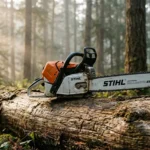
- STIHL MS 170 (16-inch Bar, 30.1cc Engine): The STIHL MS 170 is often recommended as an entry-level gas chainsaw, and for good reason. It’s lightweight (around 8.6 lbs without fuel and bar), relatively easy to start, and offers enough power from its 30.1cc engine to handle light-to-medium tasks, including felling small trees up to 14 inches in diameter and bucking firewood. It’s a durable, reliable machine from a reputable brand, making it a solid investment for beginners who need gas power.
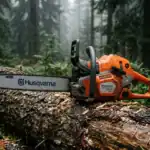
- Husqvarna 120 Mark II (16-inch Bar, 38.2cc Engine): Another excellent choice from a leading brand, the Husqvarna 120 Mark II offers a bit more power than the STIHL MS 170 with its 38.2cc engine, while still remaining manageable for beginners. It incorporates Husqvarna’s X-Torq engine for lower fuel consumption and reduced emissions, along with an effective anti-vibration system. It’s well-balanced and designed for ease of starting, making it a powerful yet user-friendly option for those who need to tackle more demanding tasks.
Mastering the Basics: Safe Operation and Essential Maintenance for Newbies
Acquiring the right chainsaw is only half the battle; knowing how to use it safely and maintain it properly is paramount. For beginners, understanding these fundamental practices will not only extend the life of your equipment but, more importantly, ensure your safety and the safety of those around you.
Non-Negotiable Personal Protective Equipment (PPE)
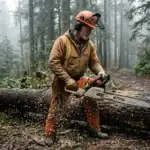
Before you even think about starting your chainsaw, you must gear up. This isn’t optional; it’s a critical safety measure. Always wear:
- Chainsaw Helmet: A good helmet will include hearing protection (earmuffs) and a face shield to protect against flying debris and potential kickback.
- Chainsaw Safety Chaps: These are made of ballistic nylon or similar fibers designed to jam the chain if contact is made, stopping the saw instantly. They protect your legs, which are highly vulnerable during chainsaw operation.
- Heavy-Duty Gloves: Provide a better grip and protect your hands from vibrations, cuts, and splinters.
- Steel-Toe Boots: Protect your feet from falling logs and accidental chain contact.
- Eye Protection: Even with a face shield, safety glasses offer an extra layer of defense against sawdust and small particles.
Never compromise on PPE. It’s your last line of defense, and a small investment can prevent a life-altering injury.
Pre-Operation Checks and Basic Cutting Techniques
Before every use, perform a quick inspection: check the chain tension (it should be snug but allow you to pull it around the bar by hand), ensure the chain is sharp and adequately lubricated (the oil reservoir should be full), and test the chain brake function. For gas saws, verify fuel and chain oil levels.
When it comes to cutting, always maintain a stable stance with good footing. Hold the chainsaw firmly with both hands, wrapping your thumb around the front handle for better control. Keep the saw close to your body for leverage and stability. For beginners, focus on three primary techniques:
- Limbing: Removing branches from a felled tree. Work from the base to the top, cutting smaller branches first. Always keep the tree trunk between you and the branch you are cutting to avoid kickback, and avoid cutting with the tip of the bar.
- Bucking: Cutting a felled tree or large branch into manageable lengths. Ensure the log is stable and supported to prevent it from rolling or pinching the bar. Cut halfway through, then roll the log and cut from the other side to meet the first cut. Be mindful of tension in the wood, as it can cause the log to spring open or pinch the saw.
- Felling Small Trees: While a beginner-friendly saw might handle small trees, felling is the most dangerous operation. It requires careful planning for escape routes, understanding the tree’s lean, and executing precise cuts (directional notch and felling cut). For your first felling operations, consider professional guidance or start with very small, easily predictable trees, always ensuring the tree falls away from you and any structures.
Essential Beginner Maintenance
Proper maintenance is key to a safe and efficient chainsaw. For beginners, focus on these vital tasks:
- Chain Sharpening: A dull chain is inefficient and dangerous, increasing the risk of kickback. Learn to sharpen your chain regularly with a round file and a filing guide appropriate for your chain’s pitch. A sharp chain produces wood chips; a dull one produces sawdust.
- Chain Tensioning: Check chain tension frequently. A loose chain can derail and cause injury, while an overly tight chain can damage the bar and chain and reduce power. Adjust it according to your saw’s manual.
- Cleaning: Regularly clean the air filter (for gas saws), the guide bar groove, and the cooling fins to prevent overheating and ensure optimal performance. Remove sawdust and debris from the chain brake mechanism.
- Fuel Mixing (Gas Saws): Always use fresh, high-quality gasoline mixed precisely with the correct ratio of two-stroke oil, as specified by the manufacturer. Stale or incorrectly mixed fuel can severely damage the engine.
- Storage: Store your chainsaw in a clean, dry place. For gas saws, empty the fuel tank or use a fuel stabilizer if storing for extended periods. Remove the battery from cordless electric saws.
Beyond the Purchase: Growing Your Chainsaw Skills
Choosing your first chainsaw is just the beginning of your journey into responsible outdoor power equipment use. Like any skill, operating a chainsaw safely and efficiently improves with practice and continuous learning. Don’t view your beginner chainsaw as a limitation, but rather as a foundational tool that allows you to safely develop the proficiency needed for more advanced tasks.
I always tell new users that the most important tool they bring to any job is their brain. Take the time to read your chainsaw’s manual thoroughly – it’s packed with crucial information about your specific model’s operation and safety features. Consider enrolling in a local chainsaw safety course, often offered by community colleges or forestry services. These courses provide invaluable hands-on training under expert supervision, teaching you proper felling techniques, advanced bucking, and emergency procedures that simply cannot be learned from an article or video alone.
As your skills grow and your project demands increase, you might eventually consider upgrading to a more powerful or specialized chainsaw. Perhaps you’ll move from an electric model to a larger gas saw for serious firewood cutting, or you might invest in a top-handle arborist saw for intricate tree work (though these are definitely not for beginners!). But for now, focus on mastering the basics with your beginner-friendly saw. Learn to identify and mitigate risks, practice your cuts, and develop a routine of pre-operation checks and maintenance. Your confidence will build, your projects will get done, and you’ll enjoy the satisfaction of safely and effectively managing your property, one cut at a time.