


Why a Lightweight Chainsaw is Your Backyard MVP
As a seasoned arborist and outdoor power equipment specialist, I’ve seen countless homeowners struggle with oversized, heavy chainsaws that are simply overkill for their needs. Picture this: you’ve got a few overgrown branches blocking your view, or a fallen limb after a storm. Do you really want to wrestle a commercial-grade, 20-pound beast with a 20-inch bar just to trim a few limbs? Absolutely not!
Table Of Content
- Why a Lightweight Chainsaw is Your Backyard MVP
- Understanding “Lightweight”: Key Features for Homeowners
- Chainsaw Power Types: Electric vs. Gas
- Bar Length and Chain Type: The Cutting Edge of Safety
- Weight and Ergonomics: Comfort in Your Hands
- Top Picks for Lightweight Chainsaws: Models You Can Trust
- Battery-Powered Champions for Convenience
- Reliable Corded Electric Options
- Compact Gas-Powered Performers
- Essential Safety & Maintenance for Your Lightweight Chainsaw
- Chainsaw Safety: Your Non-Negotiables
- Chainsaw Maintenance: Keeping Your Tool Sharp and Ready
- Making the Cut: Practical Tips for Homeowners
- Assessing Your Needs: Right Tool, Right Job
- Basic Cutting Techniques for Homeowners
- Proper Storage for Longevity
That’s where lightweight chainsaws become your backyard MVP. These aren’t scaled-down toys; they are purpose-built machines designed for maneuverability, ease of use, and less fatigue, making them perfect for typical homeowner tasks like pruning, limbing, cutting firewood, or clearing brush. My goal here is to guide you through the world of lightweight chainsaws, helping you pick a model that feels like an extension of your arm, not a wrestling opponent.
The right lightweight chainsaw empowers you to tackle those common yard tasks safely and efficiently, without the back-breaking effort or intimidating power of a professional saw. It’s about matching the tool to the job, and for most homeowners, that means a saw that’s manageable, reliable, and easy to maintain.
Understanding “Lightweight”: Key Features for Homeowners
When we talk about a “lightweight” chainsaw, we’re not just referring to its physical mass. We’re talking about a combination of factors that contribute to a saw being easy to handle, from its power source to its ergonomics. Let’s break down what truly makes a chainsaw ideal for homeowners.
Chainsaw Power Types: Electric vs. Gas
The first major decision you’ll face is the power source, and for lightweight models, both electric and gas options offer distinct advantages.
- Cordless Electric (Battery-Powered): These are increasingly popular for good reason. They offer instant starts, quiet operation (which your neighbors will appreciate!), zero emissions, and minimal maintenance. They’re fantastic for smaller tasks like pruning branches up to 10-12 inches in diameter, or cutting small amounts of firewood. The key considerations here are battery voltage (e.g., 40V, 60V, 80V) and amp-hours (Ah), which dictate power and runtime. Higher voltage generally means more power, while higher Ah means longer runtimes. A 40V or 60V system with a 4-5 Ah battery is usually a sweet spot for homeowners. Their main limitation is battery life, though many systems allow you to swap out batteries for extended work.
- Corded Electric: If you’re working close to a power outlet, a corded electric chainsaw offers unlimited runtime and consistent power. They are typically the lightest and least expensive option. They’re perfect for jobs like cutting firewood near your garage or felling small trees within extension cord range. The downside, of course, is being tethered to an outlet, which can limit your mobility and create a tripping hazard if not managed carefully.
- Gas-Powered: For those who need more power, longer runtime, or the freedom to roam further from an outlet, a small gas-powered chainsaw is still an excellent choice. Engines in the 30-45cc range are considered lightweight for gas models, offering significantly more torque and cutting speed than most electric saws. They excel at felling small-to-medium trees (up to 14-16 inches), bucking larger logs for firewood, and clearing denser brush. They require more maintenance (fuel mixing, spark plugs, air filters) and are louder and produce emissions, but their raw power and cordless freedom are undeniable.
Bar Length and Chain Type: The Cutting Edge of Safety
For homeowners, shorter bar lengths are generally preferred, contributing to both reduced weight and improved maneuverability. A 10-inch to 16-inch bar is ideal for most residential tasks. A 12-inch bar is fantastic for precise pruning and limbing, while a 14-inch or 16-inch bar can handle felling small trees and bucking firewood with ease. Resist the urge to go for a longer bar than you truly need, as it adds weight and increases the risk of kickback.
Equally critical is the chain type. For homeowners, I strongly recommend using a low-kickback chain. These chains are designed with features like ramped depth gauges and guard links that significantly reduce the risk of kickback, which is when the chain rapidly thrusts upwards and backward towards the operator. While no chain can eliminate kickback entirely, these designs make the saw much safer and easier to control, especially for less experienced users.
Understanding basic chain pitch and gauge is also helpful for future chain replacements. Most homeowner saws use a 3/8-inch low profile pitch and a .043 or .050-inch gauge. Always refer to your saw’s manual for the correct specifications.
Weight and Ergonomics: Comfort in Your Hands
A truly lightweight chainsaw for a homeowner should ideally weigh under 10-12 pounds (without the bar, chain, and fuel/battery). This weight class allows for extended use without excessive fatigue, making tasks like limbing above waist height much more manageable. Beyond just the number, consider the saw’s balance.
A well-balanced saw feels lighter in your hands and is easier to control, especially when making precise cuts. Look for features like comfortable, ergonomic handles and effective anti-vibration systems. These design elements absorb engine vibrations, reducing strain on your hands and arms, and allowing you to work longer and more comfortably.
Top Picks for Lightweight Chainsaws: Models You Can Trust
Based on my experience and what I recommend to homeowners, here are some excellent lightweight chainsaw models across different power types. Remember, the “best” one depends on your specific needs and typical tasks.
Battery-Powered Champions for Convenience
- EGO Power+ CS1604 56V 16-inch Chainsaw: This model is a powerhouse in the battery-powered category. With its 56V system and a 5.0 Ah battery, it offers performance often compared to a small gas saw. It’s incredibly quiet, starts instantly, and the 16-inch bar gives you plenty of capacity for felling small trees (up to 14 inches) and bucking firewood. It weighs around 13.6 lbs with the battery, which is very manageable for its power output. The rapid charger is a huge plus for minimizing downtime.
- Ryobi 40V HP Brushless 14-inch Chainsaw (RY40503): Ryobi consistently delivers great value and performance for homeowners. Their 40V HP Brushless 14-inch model is lightweight (around 10.5 lbs with a 4.0 Ah battery), well-balanced, and surprisingly powerful for its class. It’s perfect for limbing, pruning, and occasional firewood cutting. The brushless motor ensures efficiency and longer tool life, making it a reliable choice for general yard maintenance.
Reliable Corded Electric Options
- WORX WG303.1 16-inch Electric Chainsaw: If you have access to power and want a lightweight, low-maintenance workhorse, the WORX WG303.1 is hard to beat. It features an automatic chain tensioning system, which is a fantastic convenience for beginners, eliminating guesswork. Weighing just under 11 lbs, its 14.5-amp motor provides ample power for cutting firewood and felling small trees. It’s an excellent budget-friendly option for tasks within extension cord range.
- Makita UC4051A 16-inch Electric Chainsaw: For those seeking a more robust and professional-grade corded option, Makita delivers. This 15-amp saw is known for its durable construction and consistent power. While slightly heavier than the WORX at around 12.3 lbs, its superior build quality and smooth operation make it a favorite for homeowners who use their chainsaw more frequently or tackle slightly tougher tasks. Its tool-less chain adjustment is also a major convenience.
Compact Gas-Powered Performers
- Stihl MS 170 16-inch Chainsaw: The Stihl MS 170 is arguably the quintessential homeowner gas chainsaw. With a 30.1cc engine and a 16-inch bar (though 14-inch is also common), it offers excellent power-to-weight ratio for its class, weighing around 8.6 lbs (powerhead only). It’s robust enough for felling small trees, cutting firewood, and extensive limbing. While it requires fuel mixing and more maintenance than electric saws, its reliability and cutting capability are legendary, making it a solid investment for serious yard work.
- Husqvarna 120 Mark II 16-inch Chainsaw: Another iconic brand, the Husqvarna 120 Mark II, is a strong competitor to the Stihl MS 170. Its 38.2cc engine provides slightly more power, making it capable of handling slightly larger tasks. Weighing approximately 10.4 lbs (powerhead only), it’s still very manageable. It features Husqvarna’s X-Torq engine technology for reduced fuel consumption and emissions, and an Air Injection system for cleaner air filter operation. It’s a fantastic all-around gas option for the homeowner who needs reliable performance.
Essential Safety & Maintenance for Your Lightweight Chainsaw
Owning a chainsaw, even a lightweight one, comes with a serious responsibility: safety. My mantra is always “Safety First, Always.” Neglecting proper safety gear and maintenance practices can turn a useful tool into a dangerous one. Let’s ensure you’re equipped and informed to operate your chainsaw safely and keep it running for years.
Chainsaw Safety: Your Non-Negotiables
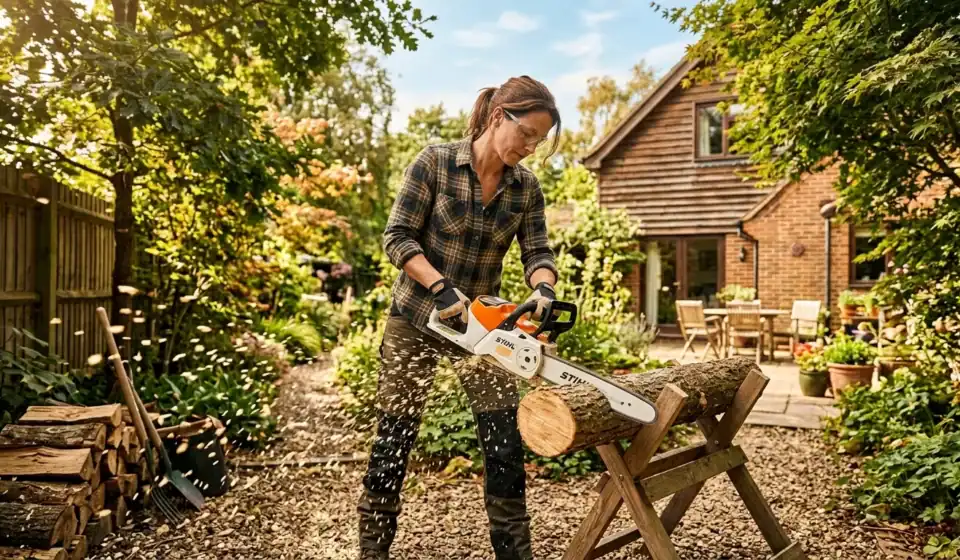
Before you even think about starting your saw, gear up. This isn’t optional; it’s critical. Always wear:
- Chainsaw Safety Helmet with Face Shield and Ear Protection: Protects your head from falling debris, your face from sawdust and kickback, and your hearing from the loud engine noise.
- Chainsaw Chaps: These are made with special fibers that jam the chainsaw chain upon contact, preventing severe leg injuries. Trust me, they’re worth every penny.
- Heavy-Duty Work Gloves: For grip and protection against splinters and abrasions.
- Steel-Toe or Chainsaw Safety Boots: Protect your feet from falling wood and accidental saw contact.
- Snug-fitting Clothing: Avoid loose clothing that could snag on branches or the saw.
Beyond gear, always maintain a firm two-hand grip, ensure stable footing, and clear your work area of obstacles. Never cut above shoulder height, as this greatly increases the risk of kickback and loss of control. Always be aware of your surroundings, especially where the wood will fall or roll, and plan an escape route if felling a tree.
Chainsaw Maintenance: Keeping Your Tool Sharp and Ready
Regular maintenance ensures your lightweight chainsaw performs optimally and remains safe to use. Here’s a basic checklist:
- Chain Sharpening: A dull chain is inefficient and dangerous. It forces you to push harder, increasing fatigue and kickback risk. Sharpen your chain regularly, ideally after every few hours of use, or whenever you notice fine sawdust instead of wood chips. A simple filing kit with the correct file size (e.g., 5/32″ for 3/8″ low profile chain) and a filing guide makes this task straightforward. I personally check my chain after every fuel tank or battery charge.
- Bar Maintenance: Flip your guide bar regularly (e.g., after 8-10 hours of use) to ensure even wear. Clean the guide bar groove with a specialized tool or a thin screwdriver to remove accumulated sawdust and debris, allowing for proper chain lubrication. Check for burrs along the edges of the bar, which can be filed down.
- Chain Lubrication: Ensure your saw’s oil reservoir is filled with fresh bar and chain oil before each use. The oil lubricates the chain and bar, reducing friction and heat. A chain that runs dry wears out quickly and can cause damage to the bar.
- Cleaning: After each use, clean the saw of sawdust, sap, and debris, especially around the chain, bar, and engine cooling fins (for gas saws). For gas saws, regularly check and clean or replace the air filter and spark plug. For electric saws, simply wipe down the housing and ensure vents are clear.
- Fuel & Battery Care: For gas saws, always use fresh, properly mixed fuel (for 2-stroke engines) and consider a fuel stabilizer for storage. Never use old or improperly mixed fuel. For battery saws, store batteries in a cool, dry place, typically at a partial charge (around 50%) for long-term storage, and avoid extreme temperatures.
Making the Cut: Practical Tips for Homeowners
Now that you’ve got your lightweight chainsaw and understand the safety and maintenance, let’s talk about actually using it. My advice is always to start small, build confidence, and never rush a cut.
Assessing Your Needs: Right Tool, Right Job
Before you even start, take a moment to assess the task. Are you just pruning small branches (under 4 inches)? A cordless electric with a 10-12 inch bar might be perfect. Are you bucking logs for a weekend bonfire (6-12 inches)? A 14-16 inch battery or small gas saw would be more efficient. Planning to fell a small tree (under 14 inches diameter)? A gas saw or a powerful 60V+ battery saw is likely your best bet, but remember to always err on the side of caution and call a professional for anything larger or complex.
Basic Cutting Techniques for Homeowners
Understanding a few basic techniques will make your cutting safer and more efficient:
- Limbing: When removing branches from a fallen tree, work from the butt end (thickest) towards the top. Always stand on the side opposite the branch you’re cutting, using the trunk as a barrier. Cut small sections from the bottom up to avoid pinching the bar, and never cut directly between supports where a limb might drop and pinch your saw.
- Bucking (Cutting Logs): When cutting a log that’s supported at both ends, make your first cut about one-third of the way down from the top. Then, finish the cut from the bottom up, meeting the first cut. This prevents pinching. If the log is supported only at one end (cantilevered), make your first cut from the bottom up about one-third of the way through, then finish from the top down. This prevents the log from splitting and binding your saw.
- Small Tree Felling: For small trees (diameter less than the length of your saw’s bar), plan your felling direction, clear an escape route at a 45-degree angle away from the fall, and ensure no one is within two tree lengths of the tree. Make a proper notch (face cut) on the side of the desired fall, then a back cut slightly above the notch on the opposite side. If you’re unsure, or the tree is near structures or power lines, always call a certified arborist. Safety is paramount, and a lightweight chainsaw, while easy to handle, is still a powerful and potentially dangerous tool.
Proper Storage for Longevity
After your work is done and your saw is clean, store it properly. For gas saws, if storing for more than a month, drain the fuel tank or run the saw dry to prevent carburetor issues from old fuel. Remove the chain and bar if storing for a very long time, and lightly oil them to prevent rust. For electric saws, remove the battery (if cordless) and store it separately. Keep all chainsaws in a dry, secure place, away from children and pets, and ideally in a protective case.
A lightweight chainsaw truly is an indispensable tool for any homeowner looking to maintain their property with confidence and ease. By choosing the right model for your tasks and committing to safe operating practices and regular maintenance, you’ll find it to be a reliable partner for years to come. Remember, the goal isn’t just to cut wood, but to do so safely, efficiently, and with minimal effort.