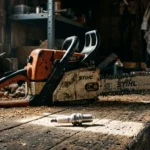


As a chainsaw owner, whether you’re felling trees, bucking firewood, or clearing brush, protecting your equipment is paramount. Chainsaw scabbards and carrying cases are essential accessories that safeguard your saw’s critical components, extend its lifespan, and, most importantly, prevent accidents. They shield the sharp chain and bar from damage while keeping you and your surroundings safe during transport and storage.
Table Of Content
- Why Chainsaw Protection Matters (Beyond the Obvious)
- The Blade: Your Chainsaw’s Most Vulnerable Asset
- Protecting Yourself and Others
- Longevity and Investment
- Scabbards: Quick Protection for On-the-Go
- Types and Usage
- Carrying Cases: Robust Security for Transport & Storage
- Types and Benefits
- Choosing the Right Protection & What to Watch Out For
- Matching Protection to Your Chainsaw
- Common Mistakes to Avoid
- Maintenance and Care Tips
- Frequently Asked Questions
- What is a chainsaw scabbard used for?
- Are chainsaw carrying cases universal?
- Should I clean my chainsaw before storing it in a case?
Choosing the right protection isn’t just about convenience; it’s about preserving your investment and ensuring safety every time you handle your saw. Let’s dive into why these accessories are non-negotiable for any responsible chainsaw user.
Why Chainsaw Protection Matters (Beyond the Obvious)
Many folks see a chainsaw and immediately think “power” or “cutting.” But as an experienced hand with these machines, I see something else: precision, engineering, and a whole lot of potential for harm if not respected. Protecting your chainsaw isn’t just about keeping it pretty; it’s about maintaining its performance, ensuring your safety, and getting the most out of your tool.
The Blade: Your Chainsaw’s Most Vulnerable Asset
The cutting chain and guide bar are the heart of your chainsaw’s performance. An exposed chain is susceptible to nicks, dulling, or even bending if it bumps against hard surfaces, rendering your saw inefficient and frustrating to use. A dull chain is also a dangerous chain, increasing the risk of kickback and making you work harder. A scabbard or case keeps this vital component safe from external damage, ensuring it’s always ready for action.
Protecting Yourself and Others
Honestly, this is the most critical point. An unprotected chainsaw, even when off, is a serious hazard. Imagine this situation: you’ve just finished a long day of cutting, you’re tired, and you load your chainsaw into the back of your truck or SUV without a proper cover. A sudden stop, a bumpy road, or even just reaching for something else in the back can lead to an exposed chain scraping against you, a passenger, or even damaging your vehicle’s interior. A simple scabbard or case eliminates this risk, providing a physical barrier between the razor-sharp chain and anything it might encounter.
Longevity and Investment
Chainsaws aren’t cheap tools. From a homeowner’s reliable entry-level model to a professional-grade workhorse, they represent a significant investment. Proper storage and transport using scabbards and cases protect the entire saw – the engine, handles, and fuel tank – from dust, moisture, and impact damage that can lead to premature wear or costly repairs. It simply makes good financial sense to protect your equipment.
Scabbards: Quick Protection for On-the-Go
A chainsaw scabbard, often called a bar cover or guide bar protector, is a rigid plastic or sometimes metal sheath designed to slide over your chainsaw’s guide bar and chain. They are the most common and basic form of protection, perfect for quick transport or when moving the saw short distances around a job site.
Types and Usage
Scabbards come in various lengths and designs. Many are universal, fitting a range of bar lengths, while others are specific to certain brands or models, like the sturdy orange bar covers from Stihl or the black ones from Husqvarna. They are incredibly easy to snap on and off, making them ideal for situations where you need to quickly cover the chain between cuts or when moving your saw from one cutting area to another within your property.
In my opinion, every chainsaw should have a scabbard. It’s the minimum level of protection you should afford your saw and yourself. They prevent accidental contact with the sharp chain, keep the chain from getting dull from incidental bumps, and help prevent oil residue from getting on other equipment or surfaces.
Carrying Cases: Robust Security for Transport & Storage
When it comes to more serious transport, long-term storage, or protecting your saw from harsher elements, a full carrying case is the way to go. These cases enclose the entire chainsaw, offering superior protection compared to a simple scabbard.
Types and Benefits
Chainsaw carrying cases typically come in two main types: hard cases and soft cases.
- Hard Cases: Usually made from durable, impact-resistant plastic, these cases offer the best protection against drops, impacts, and crushing. They often feature latches, sometimes lockable, and custom-molded interiors that snugly fit specific chainsaw models, preventing movement inside the case. Many have compartments for tools, spare chains, and oil. For example, a Stihl carrying case designed for their MS 271 Farm Boss will perfectly cradle the saw, ensuring it doesn’t shift during transport.
- Soft Cases: Made from heavy-duty fabric (like canvas or nylon), soft cases are lighter and often more flexible. They provide good protection against dust, dirt, and minor bumps, and are typically easier to store when empty. While they don’t offer the same crush protection as hard cases, they are excellent for keeping your saw clean and organized, especially if it’s going into the back of a vehicle where space is a concern.
But what’s the real difference in practical terms? Consider this: a hard case is like a vault for your chainsaw – perfect for long hauls in a truck bed, securing it against theft, or storing it in a workshop where other tools might fall. A soft case is more like a heavy-duty duffel bag – great for keeping the saw clean and contained in your vehicle’s trunk, preventing oil leaks, and carrying it comfortably with a shoulder strap. Most serious users, myself included, own both for different scenarios.
| Feature | Scabbard (Bar Cover) | Carrying Case (Hard/Soft) |
|---|---|---|
| Primary Function | Chain & bar protection, immediate safety | Full saw protection, transport, storage, organization |
| Level of Protection | Good for chain/bar, minimal for rest of saw | Excellent for entire saw (impact, dust, moisture) |
| Portability | Very high, lightweight, quick on/off | Moderate, heavier, bulkier, but often with handles/straps |
| Cost | Low (typically $10-$30) | Moderate to High (Soft: $30-$70; Hard: $50-$150+) |
| Best Use Case | Moving between cuts, short transports, quick storage | Vehicle transport, long-term storage, protecting in harsh environments |
| Examples | Stihl Universal Bar Cover, Husqvarna Scabbard | Stihl Carrying Case for MS 250/271, Husqvarna Universal Chainsaw Case |
Choosing the Right Protection & What to Watch Out For
Now that you understand the options, how do you pick the right one for your setup? It boils down to your specific chainsaw, how often you use it, and where you store or transport it.
Matching Protection to Your Chainsaw
- Bar Length: Ensure any scabbard or case you choose matches or exceeds your chainsaw’s guide bar length. A 20-inch bar won’t fit a 16-inch scabbard.
- Chainsaw Model: While some cases are universal, many hard cases are designed for specific models (e.g., a Stihl MS 362 case). Check compatibility.
- Frequency of Use: For frequent, short-distance use, a scabbard is a must. For less frequent use or longer transport, a full case is a smarter choice.
- Transport Needs: If your saw rides in the back of a truck exposed to elements or potential bumps, a hard case is invaluable. For a car trunk, a good soft case might suffice.
Common Mistakes to Avoid
Even with the right gear, mistakes happen. Here are a few to steer clear of:
- Leaving the Chain Exposed: The most obvious and dangerous mistake. Always cover your chain immediately after use or before moving the saw.
- Using a Damaged Scabbard/Case: A cracked scabbard or a case with a broken latch offers compromised protection. Replace it.
- Improper Fit: A scabbard that’s too loose can fall off, and a case that doesn’t properly secure the saw can allow it to shift and get damaged.
- Not Cleaning Before Storage: Always clean off sawdust, sap, and debris from your chainsaw before putting it into a case for storage. This prevents corrosion and build-up. For more maintenance tips, check our comprehensive chainsaw cleaning guide.
Maintenance and Care Tips
Your protective gear needs a little love too. Periodically clean your scabbards and cases to remove sawdust, oil, and grime. Inspect them for cracks, broken latches, or torn fabric. A well-maintained case or scabbard will continue to protect your chainsaw effectively for years. I always give my cases a quick wipe-down and check for damage after a season of heavy use; it’s a small effort for big returns.
Frequently Asked Questions
What is a chainsaw scabbard used for?
A chainsaw scabbard, or bar cover, is used to protect the guide bar and chain from damage and to prevent accidental contact with the sharp chain during short-distance transport or while moving around a job site.
Are chainsaw carrying cases universal?
Some chainsaw carrying cases are designed to be universal, accommodating a range of chainsaw sizes and bar lengths. However, many hard cases are model-specific, offering a custom fit for particular chainsaw brands and models for optimal protection.
Should I clean my chainsaw before storing it in a case?
Absolutely. Always clean your chainsaw thoroughly, removing sawdust, sap, and oil residue, before storing it in a carrying case. This prevents corrosion, mold, and buildup, ensuring your saw remains in good condition.
Investing in a quality chainsaw scabbard and a robust carrying case is not an option; it’s a responsibility. It’s a simple, yet profoundly effective way to ensure your chainsaw remains a safe, reliable, and high-performing tool for years to come. Don’t skimp on protection; your safety, and your chainsaw’s longevity, depend on it. For more advice on safety gear, explore our essential chainsaw safety equipment article.