For decades, if you wanted serious cutting power, a gas-powered chainsaw was your only real option. But times, as they say, are changing. Walk into any outdoor power equipment store today, and you'll see a new breed of beast dominating the shelves: cordless chainsaws. These battery-powered workhorses have evolved from niche tools for light tasks into formidable machines capable of handling a surprising range of jobs. If you're still on the fence, wrestling with pull cords and mixing fuel, let me tell you why making the switch to a cordless model might just be one of the best decisions you make for your yard work.
Unmatched Convenience & Portability: Cut the Cord, Embrace Freedom
Let's be honest, the biggest hurdle with traditional gas chainsaws often starts before you even make your first cut. You've got to ensure you have fresh fuel, mix the oil-gas ratio correctly, and then there's the notorious pull-start ritual. cordless chainsaws eliminate all that hassle. They offer a level of convenience and portability that gas models simply can't match, and frankly, it's a game-changer.
No Cords, No Gas, No Hassle
Imagine this situation: you're clearing storm debris in your backyard. A small tree has fallen, blocking your path, far from any electrical outlet. Instead of trekking to the shed for gas, mixing fuel, and repeatedly pulling a stubborn cord, you just grab your cordless saw, snap in a charged battery, and you're cutting within seconds. No fuss, no fumes, just immediate action. This instant start-up feature, activated by a simple trigger pull, saves time and frustration, especially when you're tackling multiple small jobs or need quick intervention.
Beyond the starting ease, the absence of a power cord means genuine freedom of movement. You can take your saw anywhere on your property without worrying about extension cords limiting your reach or creating tripping hazards. This is particularly beneficial for landowners with larger properties or those needing to work in remote areas of their yard where outlets are nonexistent. It fundamentally transforms how you approach tree and brush clearing.
Lightweight and Easy to Maneuver
Many cordless models are significantly lighter than their gas counterparts. This reduced weight, often ranging from 8 to 12 pounds (without the battery), makes them much easier to handle, especially during extended use or when cutting at awkward angles. For homeowners, DIY users, or anyone not accustomed to the heft of a traditional chainsaw, this can drastically reduce fatigue and improve control. A lighter saw also means less strain on your back and arms, allowing you to work longer and more comfortably.
Performance That Surprises (and Delivers!)
Years ago, the idea of a battery-powered chainsaw being anything more than a toy was laughable. But technology has progressed exponentially. Today's battery-powered chainsaws pack a serious punch, often rivaling smaller gas saws in terms of raw cutting power and efficiency.
Power for Common Tasks
Modern cordless chainsaws, especially those running on 40V, 56V, 60V, or even 80V battery systems, are more than capable of handling typical homeowner tasks. This includes limbing fallen branches, bucking firewood up to 12-16 inches in diameter, and even felling small trees. Many models come with 12-inch, 14-inch, or even 16-inch guide bars, perfectly suited for these jobs. For example, a quality 60V cordless chainsaw with a 16-inch bar, like the DeWalt DCCS670X1, can make quick work of a 12-inch log, delivering dozens of cuts on a single charge. Don't underestimate them; they're designed for real work.
Quiet Operation & Low Vibration
One of the most immediate benefits you'll notice when you switch to a cordless chainsaw is the dramatic reduction in noise. Without a combustion engine roaring, these saws operate at significantly lower decibel levels. This not only makes for a much more pleasant user experience but also allows you to work earlier in the morning or later in the evening without disturbing neighbors. In my opinion, this factor alone is enough to sway many homeowners, especially those in suburban areas. Additionally, the electric motors produce far less vibration than gas engines, leading to less user fatigue and improved control, which is a significant safety benefit.
Instant Start-Up Every Time
No more frustrating pull-starts! A cordless chainsaw is ready to go with the press of a button and a squeeze of the trigger. This reliability is a huge advantage, especially for casual users who might not use their saw frequently. You don't have to worry about old fuel gumming up the carburetor or needing costly engine tune-ups just to get it running. It truly is a plug-and-play experience, making outdoor tasks less daunting.
Healthier & Greener Choice: Good for You, Good for the Planet
Beyond convenience and performance, choosing a cordless chainsaw is also a conscious decision towards a healthier personal workspace and a cleaner environment. These are benefits that extend far beyond your own property line.
Zero Emissions, Better for You and the Environment
Unlike gas chainsaws that emit exhaust fumes containing harmful pollutants like carbon monoxide and hydrocarbons, zero-emission chainsaws produce no direct exhaust. This means cleaner air for you as you work, reducing exposure to noxious fumes that can cause headaches, dizziness, and long-term health issues. It also means no more smelling like gas and exhaust after a session of cutting! From an environmental standpoint, reducing your carbon footprint by opting for electric tools is a significant step towards sustainability. It’s a win-win.
Reduced Maintenance Demands
A major advantage of cordless chainsaws is their simplified maintenance schedule. You eliminate all the engine-related upkeep associated with gas models: no spark plugs to change, no air filters to clean or replace, no fuel filters, no carburetors to adjust, and no messy fuel mixing. The primary maintenance for a cordless saw boils down to keeping the chain sharp, ensuring proper chain tension, regularly topping up the bar oil reservoir, and cleaning the saw after use. This drastically cuts down on both the time and cost of ownership, making it a much more user-friendly tool for the average homeowner. You'll spend more time cutting and less time tinkering.
Cost-Effectiveness in the Long Run & Smart Investment
While the initial investment in a quality cordless chainsaw and battery system might seem comparable to a gas model, the long-term savings often tip the scales heavily in favor of battery power. It's not just about the purchase price; it's about the ongoing operational costs.
Fuel & Oil Savings
This one is pretty straightforward: no gas, no two-stroke oil, no mixing containers. The cost of electricity to charge a battery pack is negligible compared to the recurring expense of fuel and oil for a gas saw, especially if you use your chainsaw regularly. Over months and years, these savings add up significantly. To be fair, you do have the initial cost of batteries and a charger, but these are typically one-time purchases that last for many years.
Battery System Versatility (Ecosystems)
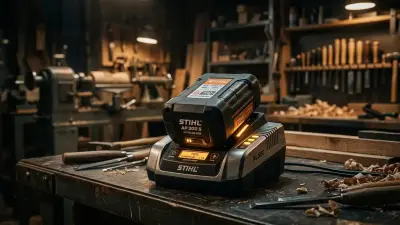
Many manufacturers, like Stihl (e.g., MSA 220 C-B), Ego Power+ (e.g., CS1800), and Greenworks, offer extensive battery ecosystems. This means the same battery pack that powers your chainsaw can also run your leaf blower, string trimmer, hedge trimmer, and even lawnmower. This interoperability is a huge economic benefit, as you only need to invest in one or two high-capacity batteries and a charger, then expand your tool collection as needed without buying a new power source for each tool. It streamlines your entire outdoor power equipment arsenal.
Safety Enhancements & User Experience
Beyond the tangible benefits discussed so far, cordless chainsaws also contribute to a safer and more enjoyable user experience, especially for those new to chainsaw operation.
Less Noise, Less Fatigue
As mentioned, the reduced noise levels are a huge perk. Working with less noise not only protects your hearing in the long run (though hearing protection is still highly recommended!) but also reduces overall fatigue. A less fatigued operator is a more alert and safer operator. The absence of intense vibrations also contributes to this, allowing for more precise control and less chance of accidents due to tired hands or arms.
Simpler Operation for Beginners
For beginners, the straightforward operation of a cordless chainsaw is a godsend. There are fewer controls to manage, no complicated starting procedures, and generally, a lighter, more balanced feel. This simpler learning curve can significantly boost confidence and allow new users to focus on proper cutting techniques and chainsaw safety practices rather than struggling with the machine itself. Less complexity means a lower barrier to entry for effective and safe wood cutting.
So, after covering all these points, isn't it time to consider an upgrade? The landscape of outdoor power equipment has undeniably shifted. Cordless chainsaws are no longer just for light-duty tasks; they are powerful, efficient, quiet, and incredibly convenient tools that can handle a vast majority of homeowner and even some professional jobs. If you value ease of use, a cleaner environment, reduced maintenance, and surprising performance, then making the switch to a battery-powered chainsaw isn't just a good idea—it's an investment in a smarter, more enjoyable way to tackle your outdoor projects. Stop wrestling with gas, and start cutting with confidence and convenience. Your back, your neighbors, and the environment will thank you.