
Beginner-Friendly Chainsaws: Top Models for First-Time Homeowners & Light Duty 2026

Why a Beginner-Friendly Chainsaw? Understanding Your Needs
Stepping into the world of chainsaws for the first time can feel a bit like learning to drive a stick shift – exciting but a little intimidating. For first-time homeowners and DIY enthusiasts, choosing the right chainsaw isn’t about raw power; it’s about finding a tool that’s safe, manageable, and perfectly suited for your typical tasks. You’re likely not felling giant oaks, but rather trimming branches, cutting firewood, or clearing storm debris.
Table Of Content
- Why a Beginner-Friendly Chainsaw? Understanding Your Needs
- What Defines “Beginner-Friendly”?
- Gas, Electric, or Battery? Making the Right Choice
- Top Picks for First-Time Homeowners and Light Duty
- Electric Corded Chainsaws: Power on Tap
- Battery-Powered Chainsaws: Cordless Freedom
- Light-Duty Gas Chainsaws: When You Need More Guts
- Essential Safety and Maintenance Tips for New Users
- Non-Negotiable Safety Gear
- Basic Maintenance You Can’t Skip
- What to Watch Out For & Common Beginner Mistakes
- Common Beginner Mistakes
- Frequently Asked Questions
- How often should I sharpen my chainsaw chain?
- What’s the best bar length for a beginner?
- Can I use a beginner chainsaw for felling trees?
The goal here is to equip you with a reliable machine that won’t overwhelm you, allowing you to build confidence and skill safely. A well-chosen beginner chainsaw makes yard work a breeze, not a battle. Frankly, starting with something too powerful is a recipe for frustration, or worse, an accident. Trust me, I’ve seen it happen countless times.
What Defines “Beginner-Friendly”?
A beginner-friendly chainsaw isn’t just a small one; it’s a tool designed with ease of use, safety features, and manageable power in mind. Key characteristics include a shorter guide bar (typically 10-16 inches), a lighter weight for better control, and a chain designed for reduced kickback. Often, these models have simpler starting mechanisms, whether it’s a push-button start for electric models or an easier pull-start for gas versions.
Furthermore, they usually come with built-in safety features like chain brakes, handguards, and often tool-less chain tensioning systems, making maintenance simpler for a novice. Honestly, these small details make a huge difference when you’re just starting out.
Gas, Electric, or Battery? Making the Right Choice
This is often the first big decision for new users. Each type has its own pros and cons, and the best choice depends heavily on what you’ll be doing. Let’s break it down:
- Electric (Corded): Best for small, occasional tasks close to an outdoor power outlet. They are lightweight, quiet, start instantly, and require minimal maintenance. No gas, no batteries to charge. The main limitation is the cord.
- Battery-Powered: Offers the convenience of electric but with cordless freedom. Ideal for light to medium tasks, pruning, and cutting firewood in areas without power. They are quieter than gas, easy to start, and increasingly powerful. Battery run-time is the main consideration here.
- Light-Duty Gas: For those who need more power and runtime than electric or battery can offer, especially for tougher wood or longer cutting sessions away from power sources. They are louder, require more maintenance (fuel mix, spark plugs), and have a pull-start, but they offer unmatched versatility for their size.
To help you visualize the differences, here’s a quick comparison:
| Chainsaw Type | Pros | Cons | Best For |
|---|---|---|---|
| Electric (Corded) | Light, quiet, instant start, low maintenance, no fumes | Limited by cord length/outlet, less power than gas | Small branches, trimming, light firewood close to home |
| Battery-Powered | Cordless freedom, quiet, easy start, low maintenance, no fumes | Limited run-time per charge, batteries can be expensive | Pruning, limbing, small-medium firewood, storm cleanup |
| Light-Duty Gas | More power, longer run-time, no cord, good for tougher wood | Louder, fumes, more maintenance, pull-start, heavier | Larger branches, regular firewood, property clearing |
Top Picks for First-Time Homeowners and Light Duty
Now that we’ve covered the basics, let’s get to some concrete examples. Based on my experience and feedback from countless new users, these models consistently rise to the top for their reliability and user-friendliness.
Electric Corded Chainsaws: Power on Tap
For sheer simplicity and affordability, you can’t beat a good corded electric. They’re perfect if your work is always within reach of an extension cord.
- Black+Decker CS1518 (15-Amp, 18-inch bar): This model offers surprising power for its class. The 18-inch bar is longer than many beginner models, allowing it to handle slightly larger diameters, but it’s still lightweight enough for easy control. It features tool-free chain tensioning and an automatic oiler, which are huge conveniences for new users.
- WORX WG303.1 (14.5-Amp, 16-inch bar): A solid choice for general yard work. It’s compact, well-balanced, and easy to maneuver. The auto-tension system is a standout feature, preventing over-tightening and extending chain life.
Battery-Powered Chainsaws: Cordless Freedom
These are increasingly popular for a reason – the freedom they offer is invaluable. Battery technology has come a long way, making these a truly viable option for most homeowners.
- Greenworks 40V 12-inch (or 16-inch) Chainsaw: Greenworks is a leader in battery-powered outdoor equipment. Their 40V line offers excellent value and performance. A 12-inch model is fantastic for pruning and small cuts, while the 16-inch version provides more versatility for larger tasks, all while maintaining a user-friendly weight.
- Ryobi 40V HP Brushless 14-inch Chainsaw: Ryobi offers a great balance of power and features for homeowners. The 14-inch bar is a sweet spot for many, and the brushless motor provides efficiency and a longer tool life. It’s part of a vast 40V battery ecosystem, so if you have other Ryobi tools, this is a no-brainer.
Light-Duty Gas Chainsaws: When You Need More Guts
If you have a larger property, need to cut thicker firewood regularly, or don’t want to be tied to a power outlet or battery charge, a light-duty gas chainsaw is the way to go. These are still designed with the beginner in mind, but offer more power.
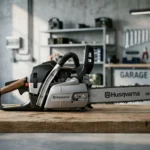
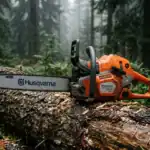
- Husqvarna 120 Mark II (38.2cc, 14-16 inch bar): Husqvarna is a legendary name, and the 120 Mark II is a fantastic entry-level gas saw. It’s relatively lightweight, features an X-Torq engine for fuel efficiency, and a LowVib system to reduce vibration. This saw will grow with you as your skills develop.
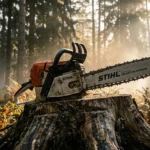
- Stihl MS 170 (30.1cc, 14-16 inch bar): Another industry giant, the Stihl MS 170 is a perennial favorite for homeowners. It’s compact, lightweight, and incredibly reliable for its size. It’s a bit less powerful than the Husqvarna 120 Mark II, making it a touch more forgiving for absolute beginners, but still capable of handling significant tasks.
Essential Safety and Maintenance Tips for New Users

Getting the right chainsaw is only half the battle. Learning to use it safely and maintaining it properly are paramount. Honestly, this is where many new users stumble, and it’s critical for both your safety and the longevity of your tool.
Non-Negotiable Safety Gear
Before you even think about starting your chainsaw, you need the right protective equipment. This isn’t optional; it’s mandatory. Imagine this situation: a branch unexpectedly springs back, or the chain kicks back, sending debris flying. What would you do without protection? Always wear:
- Chainsaw Safety Helmet: With a face shield and hearing protection built-in. Your head, eyes, and ears are priceless.
- Chainsaw Chaps: These are designed to stop a moving chain upon contact, protecting your legs.
- Heavy-Duty Work Gloves: For better grip and protection against splinters and vibrations.
- Steel-Toe Boots: To protect your feet from dropped logs or the saw itself.
- Snug-Fitting Clothing: Avoid loose clothing that could snag.
You can find more detailed information on essential safety gear in our comprehensive chainsaw safety guide.
Basic Maintenance You Can’t Skip
Regular maintenance ensures your chainsaw runs efficiently and safely. For beginners, focus on these key areas:
- Chain Tension: Check before every use. A loose chain can derail and be incredibly dangerous; a too-tight chain causes premature wear. You should be able to pull the chain around the bar easily, but there shouldn’t be excessive slack on the underside.
- Bar Oil: Always ensure the oil reservoir is full before you start cutting. The guide bar and chain need constant lubrication to prevent overheating and wear. No oil, no cut.
- Chain Sharpness: A dull chain is inefficient, dangerous, and causes the saw to work harder. Keep it sharp! You’ll know it’s dull if it produces sawdust instead of wood chips, or if it “bounces” off the wood instead of cutting smoothly.
- Cleaning: After each use, clean saw dust and debris from the air filter (gas models), cooling fins, and around the bar and chain. This prevents overheating and keeps things running smoothly.
What to Watch Out For & Common Beginner Mistakes
Even with the right saw and safety gear, new users often fall into common traps. Being aware of these can save you a lot of trouble and potential injury.
Common Beginner Mistakes:
- Ignoring Kickback Zones: The upper quadrant of the guide bar tip is known as the kickback zone. Engaging wood with this part can cause the saw to violently jump back towards you. Always be aware of where your bar tip is.
- Cutting Above Shoulder Height: This puts you in an unstable position, makes it harder to control the saw, and dramatically increases the risk of kickback or losing control. If you need to cut high, use a pole saw or hire a professional.
- Improper Footing: Always maintain a balanced stance with firm footing. Never cut on a ladder or in a precarious position. Your feet should be shoulder-width apart, with one foot slightly forward for stability.
- Running a Dull Chain: As mentioned, a dull chain is dangerous and inefficient. It forces you to push the saw, increasing fatigue and the risk of losing control. It’s also bad for your saw’s engine or motor.
- Not Reading the Manual: I know, I know, it’s boring. But your chainsaw’s manual contains vital information about its specific safety features, operation, and maintenance schedule. Take the time to read it!
- Forgetting About Proper Fuel Mix (Gas Saws): Using the wrong oil-to-gas ratio or old fuel can severely damage a gas chainsaw’s engine. Always use fresh, properly mixed fuel.
Frequently Asked Questions
How often should I sharpen my chainsaw chain?
You should sharpen your chain whenever it stops cutting efficiently, typically every 2-3 hours of continuous cutting, or sooner if you hit dirt or rock. Look for sawdust instead of chips, or if the saw needs to be forced.
What’s the best bar length for a beginner?
For most beginner tasks like pruning, limbing, and light firewood, a 10-inch to 16-inch guide bar is ideal. It offers a good balance of cutting capacity and maneuverability without being too heavy or unwieldy.
Can I use a beginner chainsaw for felling trees?
Generally, no. Beginner chainsaws are designed for light-duty tasks like cutting branches and small logs, not felling standing trees. Felling trees requires advanced techniques, more powerful equipment, and significant training due to the inherent dangers involved.
Choosing your first chainsaw is a significant step towards becoming a more capable homeowner or landowner. By selecting a beginner-friendly model, prioritizing safety, and committing to basic maintenance, you’ll gain confidence and tackle those yard tasks with ease. Remember, every expert was once a beginner, and with the right tools and knowledge, you’re well on your way. Stay safe out there, and happy cutting!