

Chainsaw Scabbards & Carrying Cases: Essential Protection for Your Saw (2026 Guide)

Protecting your chainsaw isn’t just about keeping it clean; it’s about safeguarding your investment, ensuring personal safety, and prolonging the life of your valuable tool. Chainsaw scabbards and carrying cases are indispensable accessories that prevent damage to the bar and chain, protect other gear during transport, and dramatically reduce the risk of accidental injury when your saw isn’t in use.
Table Of Content
- Why Chainsaw Protection is Non-Negotiable
- Understanding Your Options: Scabbards vs. Cases
- Chainsaw Scabbards (Bar Covers)
- Chainsaw Carrying Cases (Hard vs. Soft)
- Choosing the Right Protection for Your Needs
- Matching to Your Chainsaw Size and Type
- Material Matters
- Features to Look For
- Maintenance and Best Practices for Your Scabbard/Case
- Regular Cleaning
- Proper Storage Habits
- Common Mistakes to Avoid
- Frequently Asked Questions
- Are chainsaw scabbards universal?
- Can I store my saw with fuel in a case?
- How do I clean a chainsaw case?
- What’s the best material for a case?
As an experienced outdoor power equipment specialist, I’ve seen firsthand the difference proper protection makes. Neglecting this simple step can lead to costly repairs, premature wear, or even dangerous accidents. Let’s dive into why these protective covers are crucial and how to choose the right one for your needs.
Why Chainsaw Protection is Non-Negotiable
Every time your chainsaw isn’t actively cutting, it should be protected. An exposed bar and chain are not only vulnerable to damage but also pose a significant safety risk. The cutting edges of a sharp chainsaw chain are incredibly dangerous, even when the saw is off. One wrong move, and you could be looking at a serious injury.
Imagine this situation: You’ve just finished a long day of cutting, you toss your uncovered chainsaw into the back of your truck alongside other tools – a shovel, some rakes, maybe a gas can. A sudden stop, and that exposed chain could easily gouge a costly hole in your truck bed, damage other equipment, or worse, cause a serious cut if someone reaches in without looking. Believe me, I’ve seen it happen, and it’s never pretty. A simple scabbard or case completely eliminates this risk.
Beyond safety, protection extends your chainsaw’s lifespan. Dirt, dust, moisture, and impacts can all degrade your saw’s performance. A carrying case keeps vital components like the engine, carburetor, and air filter free from debris during transport and storage, reducing the need for frequent cleaning and maintenance. This means less downtime for you and more years of reliable service from your tool.
Understanding Your Options: Scabbards vs. Cases
When it comes to protecting your chainsaw, you primarily have two categories of solutions: scabbards and carrying cases. Each serves a distinct purpose and offers different levels of protection and convenience.
Chainsaw Scabbards (Bar Covers)
A chainsaw scabbard, often simply called a bar cover, is the most basic form of protection. It’s a rigid plastic sheath designed to slide over the guide bar and chain. Scabbards protect the sharp teeth of the chain from dulling or damaging other objects, and crucially, they protect you from accidental contact with the chain.
They are lightweight, easy to attach and remove, and essential for any chainsaw owner. Most new chainsaws come with a basic scabbard, but upgrading to a more robust, universal one (often with a wider mouth for easier fit) can be a smart move. Always ensure the scabbard length matches your guide bar length – a 16-inch bar needs at least a 16-inch scabbard. Some even feature a hole for hanging, which is a nice touch for storage.
Chainsaw Carrying Cases (Hard vs. Soft)
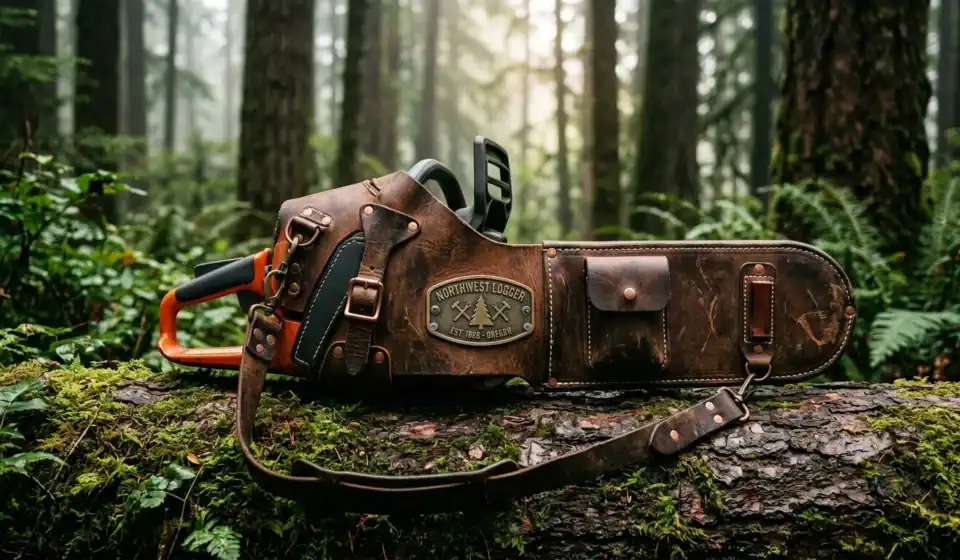
Carrying cases offer more comprehensive protection than scabbards alone. They encompass the entire chainsaw, providing a shell that safeguards the engine, fuel tank, and other vital components, in addition to the bar and chain.
- Soft Cases: These are typically made from heavy-duty fabric like nylon or polyester, often padded. They are lighter and more flexible than hard cases, making them easier to store when empty. Soft cases are great for keeping dust and minor bumps at bay and often include pockets for spare chains, tools, or wedges. They usually come with shoulder straps for easier carrying. While they offer good protection against scratches and minor impacts, they won’t withstand heavy crushing forces.
- Hard Cases: Constructed from high-impact plastic, hard cases provide the ultimate protection. They are designed to absorb significant impacts, resist punctures, and often feature robust latches and sometimes even waterproof seals. Many professional arborists and loggers rely on hard cases for transporting saws in demanding environments. They usually have dedicated compartments for the saw, extra bars, chains, and often a spot for your chainsaw sharpening kit or fuel mix. While bulkier and heavier, their superior protection is often worth the trade-off, especially for expensive professional-grade saws.
Choosing the Right Protection for Your Needs

Selecting the best scabbard or case depends on your specific chainsaw, how often you use it, and your typical working environment. Don’t just grab the first one you see – consider these factors.
Matching to Your Chainsaw Size and Type
The most critical factor is ensuring the case or scabbard fits your chainsaw. This means matching the guide bar length and considering the overall size of the powerhead. Most manufacturers, like Stihl or Husqvarna, offer cases designed specifically for their models, such as the Stihl MS 271 Farm Boss or the Husqvarna 455 Rancher, ensuring a perfect, snug fit. If you have a longer bar, say 20-24 inches, you’ll need a case or scabbard long enough to accommodate it.
Material Matters
For scabbards, durable, thick plastic is key. For cases, consider your environment. Are you transporting your saw in the back of a pickup where it might get jostled and exposed to the elements? A hard case with a good seal is your best bet. If it’s mostly for garage storage and occasional light transport, a quality soft case might suffice. I always recommend investing in the best material you can afford; it pays dividends in the long run.
Features to Look For
Beyond basic protection, look for features that add convenience and functionality:
- Accessory Storage: Pockets or compartments for spare chains, wrenches, files, chain oil, or fuel cans.
- Secure Latches: Especially on hard cases, robust, lockable latches are crucial.
- Comfortable Handles/Straps: For easy carrying, especially if you’ll be walking a distance.
- Drainage Holes: Some cases have small holes to allow sawdust or moisture to escape, preventing rust.
- Venting: Important for preventing fuel vapor buildup in enclosed spaces.
Here’s a quick comparison to help you weigh your options:
| Feature | Chainsaw Scabbard (Bar Cover) | Soft Carrying Case | Hard Carrying Case |
|---|---|---|---|
| Primary Function | Blade/chain protection | Transport & basic protection | Maximum protection & storage |
| Material | Plastic, sometimes reinforced | Heavy-duty fabric (nylon, polyester) | High-impact plastic |
| Protection Level | Good for bar/chain | Fair (scratches, light impacts) | Excellent (heavy impacts, weather) |
| Portability | Very high (minimal bulk) | High (often with shoulder straps) | Moderate (can be bulky) |
| Storage of Accessories | None | Limited pockets | Dedicated compartments |
| Cost Range | $10 – $30 | $30 – $80 | $60 – $150+ |
Maintenance and Best Practices for Your Scabbard/Case
Your chainsaw’s protective gear needs a little care too! Keeping your scabbard and case clean not only prolongs their life but also prevents the transfer of sawdust, grime, and moisture back to your chainsaw.
Regular Cleaning
After each use, take a moment to clean out your scabbard or case. Sawdust, wood chips, and sap can accumulate quickly. A stiff brush, compressed air, or simply hosing it out will do the trick. For hard cases, a mild soap and water solution is often best. Ensure everything is thoroughly dry before storing your chainsaw to prevent rust or mildew.
Proper Storage Habits
Always store your chainsaw in its scabbard or case, even if it’s just for overnight. This isn’t just for safety; it prevents dust accumulation and protects the chain from accidental bumps that could dull or damage it. If storing for an extended period, make sure the saw is clean, dry, and properly prepared (e.g., fuel drained if recommended by the manufacturer, check our guide on winterizing your chainsaw). Never store a wet or dirty chainsaw in an enclosed case, as this can trap moisture and accelerate corrosion.
Common Mistakes to Avoid
Even with the best intentions, I’ve seen some common pitfalls:
- Using the Wrong Size Scabbard: A scabbard that’s too short leaves the chain exposed, while one that’s too long can be awkward and still expose parts if it slides around. Always match the length.
- Forgetting the Scabbard Entirely: This is perhaps the most common and dangerous mistake. Always re-sheath your bar and chain when not actively cutting.
- Overfilling Soft Cases: Stuffing a soft case with too many tools can strain zippers and seams, compromising its protective capabilities.
- Storing a Wet Saw in a Hard Case: As mentioned, this traps moisture, leading to rust. Always ensure your saw is dry before securing it in its case.
- Neglecting Case Maintenance: A dirty case can transfer grime back to your clean saw. Keep it clean!
Frequently Asked Questions

Are chainsaw scabbards universal?
No, chainsaw scabbards are not universal. They are primarily sized by the length of the guide bar (e.g., 16-inch, 20-inch). While some universal options exist, it’s best to get one that matches your bar length or is specifically designed for your saw’s model to ensure a snug and secure fit.
Can I store my saw with fuel in a case?
Generally, it’s safer and recommended to store your chainsaw with its fuel tank empty, especially for long-term storage, to prevent fuel degradation and potential vapor buildup. If you must transport it with fuel, ensure the case is well-ventilated, the saw is upright, and the fuel cap is tightly sealed to prevent leaks.
How do I clean a chainsaw case?
For plastic hard cases, simply wipe down with a damp cloth, or use mild soap and water for tougher grime. For soft cases, spot clean with a brush and mild detergent, or if heavily soiled, some can be hosed down and air-dried. Always ensure the case is completely dry before storing your saw.
What’s the best material for a case?
The “best” material depends on your needs. High-impact plastic hard cases offer superior protection against impacts and weather, ideal for professional use or rough transport. Heavy-duty fabric soft cases are lighter and more flexible, great for general transport and storage where extreme protection isn’t required.
Ultimately, a chainsaw scabbard or carrying case isn’t an optional accessory; it’s a fundamental part of responsible chainsaw ownership. It’s an investment in safety for yourself and others, and it’s an investment in the longevity and reliability of your valuable tool. So, take the time to choose the right protection for your chainsaw, keep it clean, and use it every single time you put your saw away. Your future self, and your wallet, will thank you for it.