

You’ve just finished a satisfying session with your chainsaw, whether felling a troublesome tree, bucking logs for firewood, or clearing brush from your property. The air is filled with the scent of fresh-cut wood, and your muscles might be a little sore – a good day’s work! But then you look around: sawdust clinging to everything, piles of wood chips scattered across the lawn, and smaller debris making the area look like a small explosion hit it. This is where many folks sigh and reach for a rake, but in my experience, that’s often the hardest way to tackle the mess.
Table Of Content
- Understanding Leaf Blower Types: Which One is Right for You?
- Handheld Leaf Blowers: Agility for Smaller Tasks
- Backpack Leaf Blowers: The Heavy Hitters for Serious Debris
- Wheeled Leaf Blowers: For the Biggest Jobs
- Key Features to Look For: Power, Portability, and More
- CFM (Cubic Feet Per Minute) and MPH (Miles Per Hour)
- Power Source: Gas vs. Electric (Corded/Cordless)
- Ergonomics and Comfort
- Top Picks & Practical Recommendations for Chainsaw Cleanup
- For the Occasional User & Smaller Projects
- For Regular Users & Medium to Large Projects
- Tips for Efficient Cleanup and Beyond
- Strategic Blowing Techniques
- Safety First, Always
- Maintenance Matters
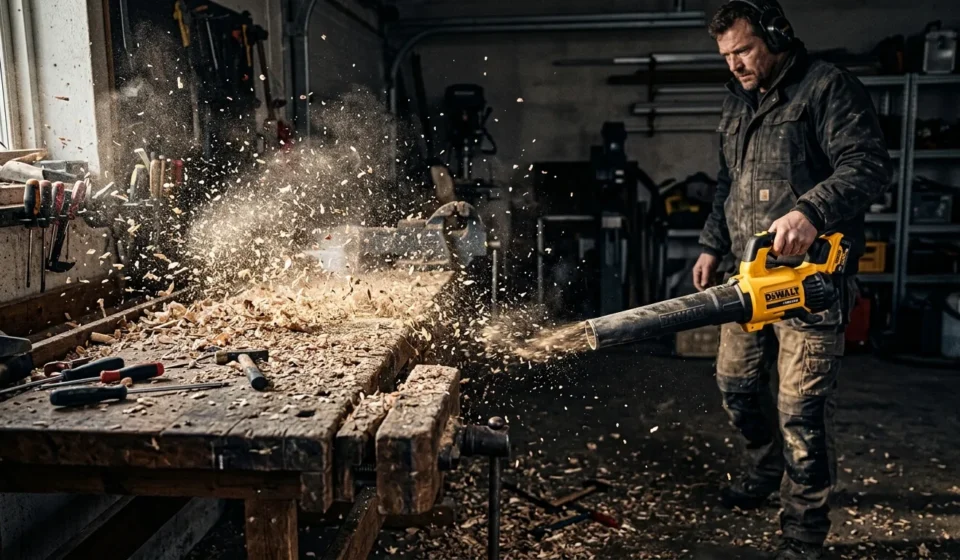
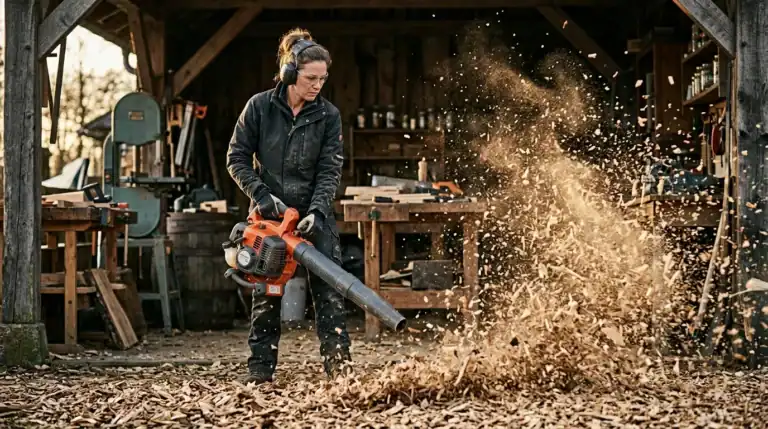
Honestly, a leaf blower isn’t just for leaves anymore; it’s an indispensable tool for anyone who regularly wields a chainsaw. Imagine this situation: you’ve just finished limbing a large oak, and the ground is blanketed in a thick layer of green leaves, small twigs, and a surprising amount of sawdust. Trying to rake that sticky, mixed debris is a frustrating, back-breaking chore. A powerful leaf blower, however, can sweep that mess away in minutes, leaving a clean, clear workspace that’s safer and far more pleasant to be in.
Beyond just aesthetics, a clean work area is a safe work area. Slipping on wood chips or hidden branches is a real hazard. Plus, leaving debris can attract pests or hinder new growth. Using a leaf blower makes quick work of these issues, allowing you to enjoy the fruits of your labor without the lingering headache of a messy cleanup. It’s about working smarter, not harder, and preserving your energy for the next big project.
Understanding Leaf Blower Types: Which One is Right for You?
When it comes to leaf blowers, you’ll find a few main types, each with its own strengths and weaknesses, especially when dealing with the heavier, denser debris from chainsaw work. Choosing the right one depends largely on the scale of your cleanup tasks and the size of your property. Let’s break down the most common options available on the market today.
Handheld Leaf Blowers: Agility for Smaller Tasks
Handheld blowers are the most common type, prized for their portability and ease of use. They come in both electric (corded or cordless) and gas-powered versions. For small cleanups—say, tidying up around your workbench after some chainsaw carving, or clearing a deck after cutting a few small branches—a handheld unit is perfect. They’re lightweight and maneuverable, great for getting into tight spaces.
- Corded Electric: Unlimited run time, no fuel, lighter. Best for smaller yards or areas close to an outlet. Generally less powerful for heavy wood chips.
- Cordless Electric: Freedom from cords, quiet, low maintenance. Battery life is the main consideration, but modern 40V or 80V systems offer surprising power for typical homeowner cleanup. Models like the EGO Power+ LB6504 are fantastic for balancing power and convenience.
- Gas Handheld: More power than most electric handhelds, but heavier, noisier, and requires fuel mix. Great for small-to-medium yards with tougher debris where you don’t want a cord.
However, for extensive chainsaw debris, most handheld models, especially electric ones, might feel underpowered. They often lack the sheer volume of air (CFM) or velocity (MPH) needed to move large piles of wet wood chips or heavier sawdust effectively.
Backpack Leaf Blowers: The Heavy Hitters for Serious Debris
If you’re regularly tackling significant chainsaw projects – felling multiple trees, bucking cords of firewood, or clearing large areas of brush – a backpack leaf blower is almost certainly what you need. These units are designed for serious power and extended use. The engine (usually gas-powered, but powerful cordless electric models are emerging) is mounted on a frame worn on your back, distributing the weight and making them surprisingly comfortable for long periods.
These blowers offer significantly higher CFM and MPH ratings, meaning they can move a much larger volume of air at a higher speed. This is crucial for shifting stubborn, heavy wood chips, matted sawdust, and even small branches. Brands like Stihl and Husqvarna offer professional-grade backpack blowers, such as the Stihl BR 600 or Husqvarna 580BTS, which are incredibly effective for large-scale cleanup after a major tree removal project. While they’re louder and require fuel, their efficiency for large tasks is unmatched.
Wheeled Leaf Blowers: For the Biggest Jobs
For landowners with vast properties or those who routinely handle massive amounts of timber debris, a wheeled leaf blower might be worth considering. These are essentially walk-behind machines that resemble a lawnmower, offering the highest power output of all blower types. They can clear huge areas quickly and move extremely heavy, wet debris that would bog down any other type of blower.
However, their size and cost make them less practical for most homeowners. They’re also not as maneuverable around obstacles or in tight spaces. Unless you’re managing acres of forested land or a professional logging operation, a powerful backpack blower will likely offer a better balance of power, maneuverability, and cost effectiveness for chainsaw debris cleanup.
Key Features to Look For: Power, Portability, and More
Choosing the best leaf blower for your chainsaw cleanup comes down to understanding a few critical specifications. Don’t just pick the cheapest or the prettiest; look at the numbers that tell you how effectively it will move those wood chips.
CFM (Cubic Feet Per Minute) and MPH (Miles Per Hour)
These are the two most important metrics. CFM indicates the volume of air the blower can move – think of it as the “pushing power.” Higher CFM is essential for moving large piles of lighter debris quickly. MPH, on the other hand, measures the speed of the air coming out of the nozzle. High MPH is crucial for dislodging heavy, wet, or stuck-on debris like damp sawdust or embedded wood chips. For chainsaw debris, you want a good balance, but a higher MPH often helps break the grip of heavy chips.
- For light-to-medium chainsaw debris (small branches, dry sawdust): Look for at least 400 CFM and 150 MPH.
- For heavy-duty chainsaw debris (wet wood chips, large piles, matted sawdust): Aim for 600+ CFM and 200+ MPH. Many professional backpack blowers exceed 800 CFM and 200 MPH.
Power Source: Gas vs. Electric (Corded/Cordless)
Your choice here heavily impacts performance and convenience. Gas-powered blowers offer the most raw power, crucial for substantial chainsaw cleanup. They provide unlimited range but are louder, require fuel mixing, and more maintenance. Cordless electric blowers (battery-powered) have made huge strides. High-voltage systems (40V, 60V, 80V) from brands like EGO, DeWalt, and Ryobi can deliver impressive CFM and MPH, rivalling lighter gas models. They’re quieter, zero emissions, and require less maintenance, but battery run time is a limiting factor for big jobs. Corded electric blowers are limited by cord length and power, making them generally less suitable for widespread chainsaw debris.
Ergonomics and Comfort
Don’t overlook how the blower feels to use. A handheld unit should be well-balanced and light enough to maneuver for extended periods. For backpack blowers, look for padded straps and a comfortable harness system. An adjustable throttle and easy-to-reach controls are also important. Honestly, using a poorly balanced tool for even 15 minutes can lead to unnecessary fatigue.
Top Picks & Practical Recommendations for Chainsaw Cleanup
Based on my years of experience clearing up after countless tree removals and firewood sessions, here are some practical recommendations for leaf blowers that truly excel at managing chainsaw debris.
For the Occasional User & Smaller Projects
If you’re a homeowner felling a small tree or bucking a few logs once or twice a year, a powerful cordless electric handheld blower is an excellent choice. Look for models with at least 500 CFM and 120 MPH. Brands like EGO Power+, Greenworks Pro, or Ryobi’s 40V/80V lines offer robust options. They’re quiet enough not to annoy the neighbors, easy to start, and perfectly capable of clearing sawdust and dry chips from your driveway or a small yard section. Just be mindful of battery life if you have a larger area.
For Regular Users & Medium to Large Projects
This is where a good gas-powered backpack blower truly shines. For landowners, serious DIYers, or anyone regularly processing significant amounts of wood, the investment is well worth it. You need something with serious muscle. I’d recommend looking at models in the 600-800+ CFM range with 180-200+ MPH. Some excellent choices include:
- Husqvarna 580BTS: A beast of a machine, offering exceptional power (around 900+ CFM and 200+ MPH) and reliability for the toughest jobs. It’s a professional-grade tool that makes light work of even wet, matted wood chips.
- Stihl BR 600 or BR 700: Stihl is synonymous with quality, and these backpack blowers are no exception. They provide incredible air volume and velocity, built to withstand daily professional use. They’re comfortable to wear for extended periods, despite their power.
- Echo PB-770T: A slightly more budget-friendly option than Stihl or Husqvarna, but still delivers fantastic power (around 765 CFM and 234 MPH) and durability. It’s a favorite among many professionals for its solid performance.
These machines will handle anything your chainsaw can throw at them, from fine sawdust to hefty wood chips. While they require fuel and ear protection, their efficiency in clearing large areas is unparalleled. When shopping, always compare the CFM and MPH specs directly.
Tips for Efficient Cleanup and Beyond
So far we’ve covered the “what” and “why” of choosing a leaf blower for chainsaw debris. Now let’s get to the really critical point: how to use it effectively and maintain your equipment. A powerful blower is only as good as the technique behind it.
Strategic Blowing Techniques
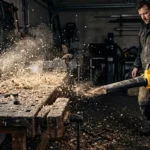
Don’t just randomly blast away; have a plan. Start at the farthest point of your work area and systematically blow debris towards a designated collection point, such as a tarp, a compost pile, or an area where it can safely disperse. Work in overlapping passes, much like you would when mowing a lawn. For stubborn piles of wet chips, a high MPH blower is your friend. Aim the nozzle low and use short, powerful bursts to break up the pile before sweeping it away.
Consider the wind direction, too. Blowing against the wind is a surefire way to spread the mess further and frustrate yourself. Always try to blow with the wind to your advantage. And a quick tip: if you know you’re going to make a big mess, lay down a large tarp *before* you start cutting. It makes cleanup incredibly fast and easy; just gather the corners and dump the debris.
Safety First, Always
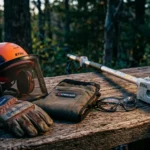
Just like with your chainsaw, safety is paramount when operating a leaf blower. These machines can kick up dust, debris, and even small projectiles. Always wear appropriate personal protective equipment (PPE):
- Eye Protection: Safety glasses or goggles are non-negotiable to protect against flying debris.
- Hearing Protection: Especially with gas-powered blowers, earplugs or earmuffs are essential to prevent hearing damage.
- Dust Mask: If you’re blowing a lot of fine sawdust, a dust mask will protect your lungs.
- Sturdy Footwear: Closed-toe shoes or work boots are crucial in case you accidentally kick up something heavy.
Be aware of your surroundings, especially if there are other people or pets nearby. Keep them well clear of the work area. And remember, the Best Professional Chainsaw website offers a wealth of information not just on chainsaws, but on all aspects of safe and efficient outdoor power equipment use.
Maintenance Matters
A well-maintained leaf blower will serve you for years. For gas models, this means checking the air filter regularly (sawdust can clog it quickly!), spark plug, and fuel lines. Always use fresh fuel and the correct oil-to-gas mix. For electric models, keep the vents clear of debris and check the battery for damage. Store your blower in a dry, protected area. A little preventative maintenance goes a long way in ensuring your cleanup tool is ready when you need it.
There’s a real satisfaction that comes from a job well done, and that includes the cleanup. By choosing the right leaf blower and using it effectively, you’re not just moving debris; you’re ensuring a safer, cleaner, and more enjoyable experience every time you pick up your chainsaw. Invest in the right tool, learn to use it well, and you’ll find your post-cut cleanup becomes a breeze, leaving you more time to admire your work.