
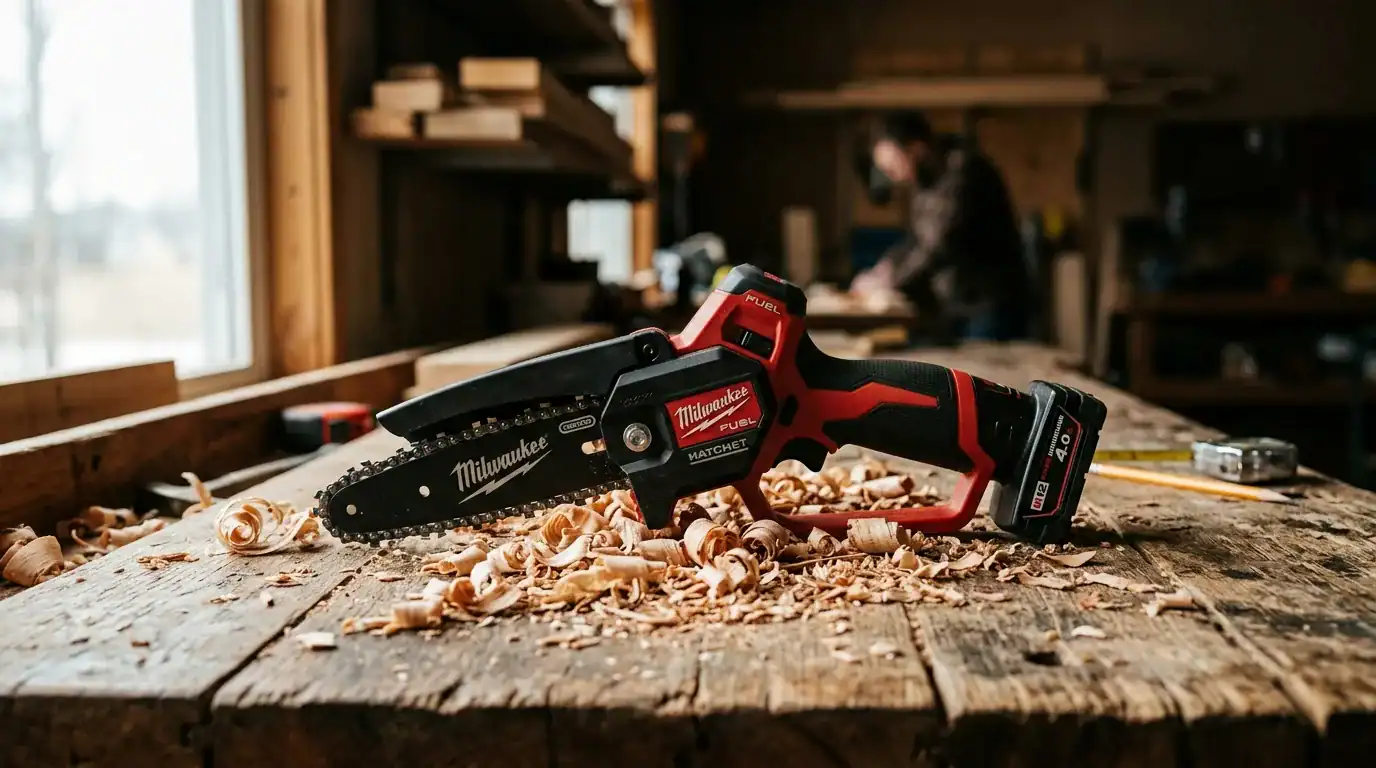

Mini Chainsaw Buyer’s Guide: Choosing the Right Tool for Small Tasks
As a seasoned chainsaw professional, I’ve seen just about every type of cutting tool out there. While large, powerful chainsaws are essential for felling big trees and processing firewood, sometimes you just need something smaller, lighter, and easier to handle for those quick, nimble jobs around the yard. That’s where the mini chainsaw comes in.
Table Of Content
- Mini Chainsaw Buyer’s Guide: Choosing the Right Tool for Small Tasks
- Why Choose a Mini Chainsaw?
- Key Considerations When Buying Your Mini Chainsaw
- 1. Power Source: Cordless vs. Corded Electric
- 2. Bar Length
- 3. Chain Type
- 4. Motor Type: Brushed vs. Brushless
- 5. Weight and Ergonomics
- 6. Safety Features
- Common Uses for a Mini Chainsaw
- Maintenance and Safety First!
- Conclusion
Often called "pruning saws," "one-hand chainsaws," or "battery-powered mini saws," these compact tools have surged in popularity, and for good reason. They’re fantastic for specific tasks that would be cumbersome, or even dangerous, with a full-sized saw. But with so many options available, how do you pick the right one? Let’s dive into what you need to consider.
Why Choose a Mini Chainsaw?
Mini chainsaws aren’t just scaled-down versions of their bigger brothers; they’re designed for different purposes. Here are the main benefits:
- Portability & Maneuverability: Lightweight and compact, they excel in tight spaces or when working overhead.
- Ease of Use: Less intimidating for beginners and much less fatiguing for extended use on small tasks.
- Precision: Their smaller bar allows for more accurate cuts, perfect for detailed pruning.
- Safety (for specific tasks): While all chainsaws require caution, a mini chainsaw can be safer for small, quick cuts than wrestling a large, heavy saw.
Key Considerations When Buying Your Mini Chainsaw
1. Power Source: Cordless vs. Corded Electric
- Cordless (Battery-Powered): This is the most popular type for mini chainsaws.
- Pros: Ultimate portability, no tangled cords, great for remote areas. Many run on 12V, 18V, or 20V battery platforms you might already own (e.g., DeWalt, Ryobi, Worx).
- Cons: Limited run time (depending on battery Ah), batteries need charging, potentially less power than corded.
- What to look for: Battery voltage (V) indicates power, while Amp-hours (Ah) indicate run time. Higher Ah means longer work sessions.
- Corded Electric: Less common for truly "mini" saws, but some exist.
- Pros: Consistent power, no battery charging, generally lighter without a battery pack. Often more powerful than battery models in the same size class.
- Cons: Limited by cord length, risk of cutting the cord, not ideal for remote areas.
- What to look for: Amperage (Amps) indicates power.
2. Bar Length
For mini chainsaws, bar lengths typically range from 4 to 8 inches. The bar length dictates the maximum diameter of wood you can cut in a single pass. A 6-inch bar, for example, is great for branches up to 4-5 inches thick. Don’t try to push a small saw beyond its limits – it’s inefficient and dangerous.
3. Chain Type
Most mini chainsaws come with low-kickback chains, which is crucial for safety, especially with these lighter tools that can be operated one-handed. These chains have specific features to reduce the risk of kickback, where the saw unexpectedly thrusts backward or upward. Always ensure you’re using the correct chain for your saw and keep it sharp!
4. Motor Type: Brushed vs. Brushless
- Brushed Motors: More affordable, but less efficient and have a shorter lifespan due to friction from carbon brushes.
- Brushless Motors: More expensive but offer better efficiency, longer run times, more power, and a significantly longer tool life. If your budget allows, a brushless motor is a worthwhile upgrade.
5. Weight and Ergonomics
Since these saws are designed for ease of use, weight is a major factor. Look for models under 5-6 pounds (including battery). A well-balanced design with a comfortable, non-slip grip is essential, especially if you plan on using it for extended periods or in awkward positions.
6. Safety Features
Even small chainsaws are serious tools. Prioritize models with:
- Handguard: Protects your hand from debris and the chain.
- Safety Lock Button: Prevents accidental starts.
- Chain Brake (if available): While less common on very small models, a chain brake immediately stops the chain in case of kickback or loss of control.
- Tool-less Chain Tensioning: Makes adjusting the chain safer and easier.
Common Uses for a Mini Chainsaw
A mini chainsaw is ideal for:
- Pruning small tree branches and shrubs.
- Limbing fallen branches (removing smaller branches from a larger limb).
- Cutting small logs for campfires or crafts.
- Clearing light brush.
- DIY woodworking projects.
Maintenance and Safety First!
Just like any chainsaw, even a mini one requires proper maintenance and adherence to safety protocols.
- Keep the Chain Sharp: A dull chain is inefficient and dangerous. Learn to sharpen it or have it professionally done.
- Proper Chain Tension: Check tension regularly. A loose chain can derail; a too-tight one can cause premature wear.
- Lubrication: Many mini chainsaws have automatic oilers, but some require manual oiling. Always use proper bar and chain oil.
- Wear PPE: Always use safety glasses, gloves, and hearing protection. Even small chainsaws can throw debris and are noisy.
- Two-Handed Operation: Even if designed for one-hand use, operating with two hands whenever possible provides better control and stability.
Conclusion
A mini chainsaw can be an incredibly useful addition to your outdoor power equipment arsenal, particularly for homeowners, DIY enthusiasts, and anyone needing to tackle light pruning and small cutting tasks. By considering the power source, bar length, safety features, and ergonomics, you can choose a tool that’s safe, efficient, and perfectly suited for your needs. Remember, even with a "mini" chainsaw, respect the tool, follow safety guidelines, and always prioritize your well-being.