
Introduction to Chainsaw Safety
As a chainsaw user, you’re probably aware of the importance of safety gear. But have you ever stopped to think about the risks involved in using a chainsaw? From flying debris to kickback, the dangers are real, and they can be devastating. That’s why investing in a good quality Chainsaw Helmet is crucial. A Chainsaw Helmet with hearing and face protection can be the difference between a safe working experience and a trip to the emergency room. In fact, according to the Occupational Safety and Health Administration (OSHA), wearing a hard hat can reduce the risk of head injury by up to 70%.
Table Of Content
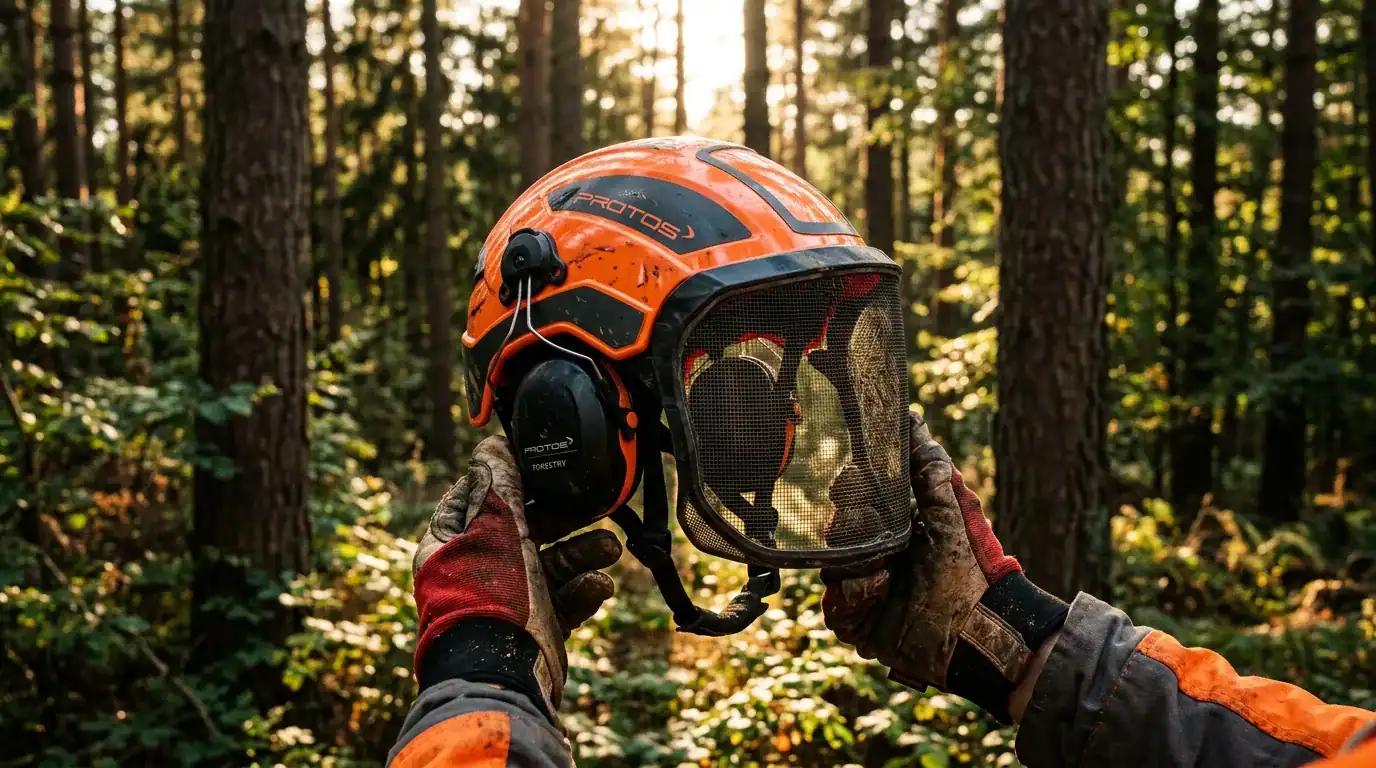
So, what makes a good chainsaw helmet? For starters, it should have built-in ear protection, such as ear cups or earmuffs, that can reduce noise levels to a safe range. It should also have a face shield or visor to protect your face from flying debris, such as wood chips or branches. And, of course, it should have a sturdy helmet with a hard outer shell and a comfortable, absorbent interior to protect your head from impact.
But with so many options on the market, how do you choose the right one? That’s where this article comes in. We’ll take a closer look at the top-rated chainsaw helmets, their features, benefits, and what to look for when making a purchase. So, if you’re in the market for a new chainsaw helmet, keep reading.
Key Features to Consider
Hearing Protection
Hearing protection is one of the most critical features of a chainsaw helmet. Prolonged exposure to loud noises can cause permanent hearing damage, and chainsaws are one of the loudest power tools out there. Look for helmets with built-in ear protection, such as ear cups or earmuffs, that can reduce noise levels to a safe range. Some helmets even have noise-cancelling technology, which can reduce noise levels by up to 30 decibels.
But what’s a safe range, you ask? Well, according to OSHA, the maximum permissible exposure limit for noise is 85 decibels. Anything above that, and you’re at risk of hearing damage. So, when shopping for a chainsaw helmet, make sure it has a noise reduction rating (NRR) of at least 20 decibels.
For example, the Husqvarna Pro Forest Helmet has a built-in ear protection system that reduces noise levels by up to 25 decibels. This means you can work safely and comfortably, without worrying about damaging your hearing.
Face Protection
Face protection is another critical feature of a chainsaw helmet. Flying debris, such as wood chips or branches, can cause serious injury, including cuts, bruises, and even eye damage. Look for helmets with a face shield or visor that can protect your face from flying debris. Some helmets even have a mesh screen to prevent debris from getting through.
But what’s the best type of face protection, you ask? Well, that depends on the type of work you’re doing. If you’re working in a high-debris environment, such as logging or tree cutting, you may want to opt for a helmet with a full-face shield. On the other hand, if you’re working in a lower-debris environment, such as gardening or landscaping, a helmet with a half-face shield may be sufficient.
For example, the Stihl chainsaw Helmet has a face shield with a wide field of view, which allows you to see what you’re doing while still protecting your face from debris. This is especially useful when working in tight spaces or at heights.
Top-Rated Chainsaw Helmets
Now that we’ve covered the key features to consider, let’s take a look at some of the top-rated chainsaw helmets on the market. These helmets have been chosen for their excellent safety features, comfort, and durability.
- Husqvarna Pro Forest Helmet: This helmet features a lightweight design, built-in ear protection, and a face shield with excellent visibility.
- Stihl chainsaw Helmet: This helmet offers a comfortable fit, excellent hearing protection, and a face shield with a wide field of view.
- 3M Hard Hat with Face Shield: This helmet features a sturdy design, built-in ear protection, and a face shield with excellent visibility and ventilation.
These helmets are all highly rated by users and experts alike, and they’re a great place to start your search. However, it’s always a good idea to do your own research and read reviews before making a purchase.
Tips for Choosing the Right Helmet
Check the Certification
When choosing a chainsaw helmet, it’s essential to check the certification. Look for helmets that meet or exceed safety standards, such as ANSI or CE certification. This ensures that the helmet has been tested and meets the required safety standards.
But what do these certifications mean, you ask? Well, ANSI (American National Standards Institute) certification ensures that the helmet meets the required safety standards for impact resistance, penetration resistance, and other factors. CE (Conformité Européene) certification, on the other hand, ensures that the helmet meets the required safety standards for the European market.
For example, the Husqvarna Pro Forest Helmet meets or exceeds ANSI and CE certification standards, which gives you peace of mind when working with your chainsaw.
Consider Your Needs
When choosing a chainsaw helmet, it’s essential to consider your needs. Think about the type of work you’ll be doing and the level of protection you need. If you’re working in a high-debris environment, you may want to opt for a helmet with a full-face shield. On the other hand, if you’re working in a lower-debris environment, a helmet with a half-face shield may be sufficient.
It’s also important to consider the climate and weather conditions you’ll be working in. If you’ll be working in hot or humid conditions, you may want to opt for a helmet with ventilation to keep you cool and comfortable.
For example, the Stihl chainsaw Helmet has a face shield with a wide field of view, which allows you to see what you’re doing while still protecting your face from debris. This is especially useful when working in tight spaces or at heights.
Maintenance and Care
Once you’ve chosen the right chainsaw helmet, it’s essential to maintain and care for it properly. This includes cleaning the helmet regularly, inspecting it for damage, and storing it in a dry, cool place.
It’s also important to follow the manufacturer’s instructions for maintenance and care. This may include replacing the ear protection or face shield after a certain period of time or exposure to certain chemicals.
For example, the 3M Hard Hat with Face Shield has a removable and washable face shield, which makes it easy to clean and maintain. This is especially useful when working in dirty or dusty environments.