
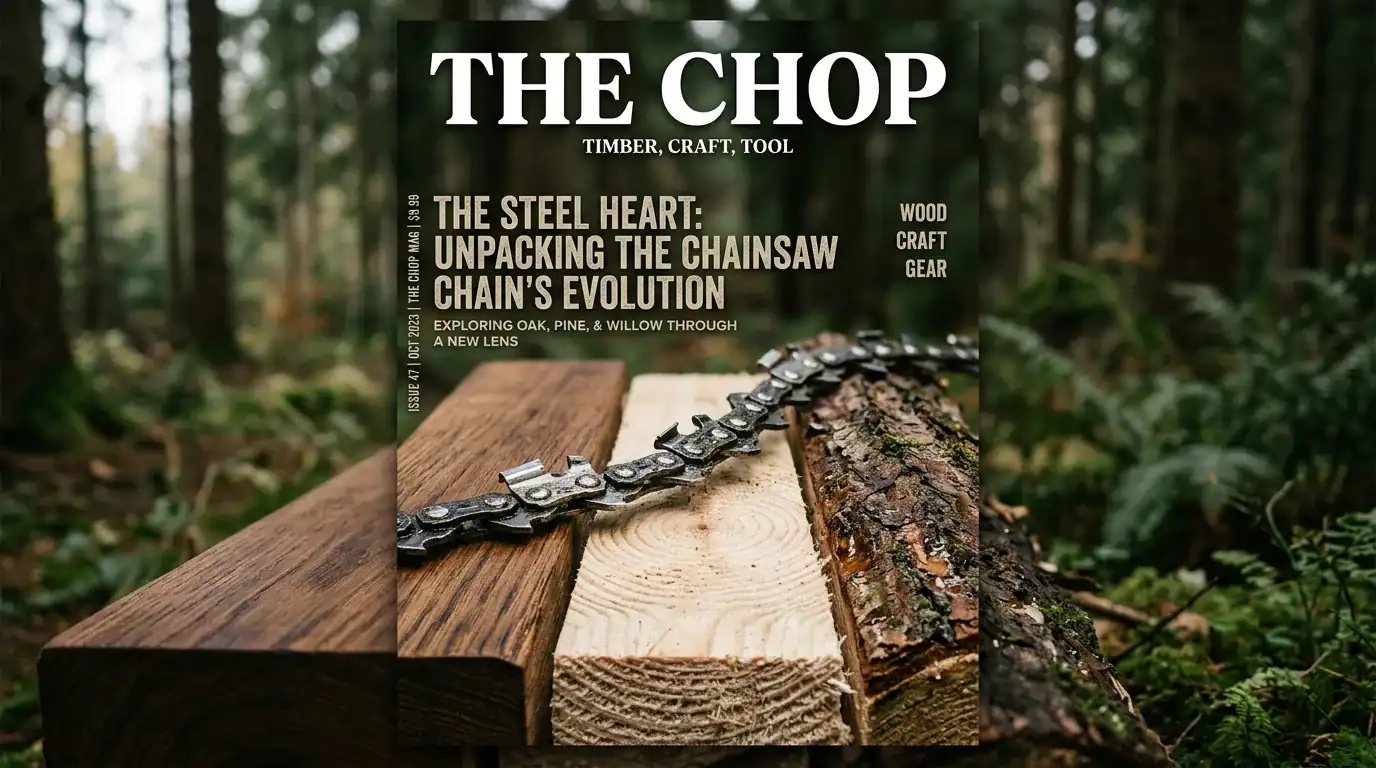

As a seasoned chainsaw expert, I often tell people that a chainsaw is only as good as its chain. Choosing the right chain for the job isn’t just about maximizing efficiency; it’s about ensuring safety and getting the best performance out of your saw. Whether you’re a homeowner felling a small tree, a landowner clearing acreage, or an arborist tackling a complex job, understanding chain types for different wood is crucial. Let’s dive into how to pick the perfect chain for hardwood, softwood, and green wood.
Table Of Content
- Understanding Chainsaw Chain Basics
- The Main Types of Chainsaw Cutters
- 1. Full Chisel Chain
- 2. Semi-Chisel Chain
- 3. Low Profile / Chipper Chain
- Matching the Chain to Your Wood Type
- Cutting Hardwood (Oak, Maple, Hickory, Birch)
- Cutting Softwood (Pine, Fir, Spruce, Poplar)
- Cutting Green Wood (Freshly Felled Trees)
- Cutting Dirty or Frozen Wood
- Beyond the Cutters: Sharpening and Maintenance
- Conclusion
Understanding Chainsaw Chain Basics
Before we match chains to wood, let’s briefly understand the key components that affect cutting performance:
- Cutters: These are the teeth that do the actual cutting. Their shape and angle determine how aggressive and fast the chain cuts, and how well it handles different wood conditions.
- Depth Gauges (Rakers): Located in front of each cutter, these small protrusions control how much wood the cutter can take with each pass. A properly filed depth gauge is vital for smooth, efficient cutting and preventing kickback.
- Pitch: This is the distance between three consecutive rivets divided by two, indicating the size of the chain. Common pitches include 3/8″ Low Profile, .325″, 3/8″, and .404″. Your saw’s bar and sprocket must match the chain’s pitch.
- Gauge: This refers to the thickness of the drive links, which fit into the guide bar groove. Common gauges are .050″, .058″, and .063″. Again, your bar must match the chain’s gauge.
The Main Types of Chainsaw Cutters
The type of cutter is the primary factor when choosing a chain for different wood. There are three main types you’ll encounter:
1. Full Chisel Chain
- Description: Full chisel chains feature sharp, square-cornered cutters. Think of them as having a very aggressive, razor-sharp edge.
- Performance: They cut extremely fast and efficiently, creating large, clean chips.
- Best For:
- Hardwood (e.g., Oak, Maple, Hickory): Their aggressive nature allows them to bite deeply and quickly into dense wood.
- Clean Wood: Ideal for cutting seasoned, dirt-free wood where speed is paramount.
- Powerful Saws: Best suited for higher-horsepower chainsaws (typically 50cc and above) that can maintain chain speed under heavy load.
- Considerations:
- More prone to dulling quickly if it encounters dirt, rocks, or even small amounts of grit.
- Requires precise sharpening to maintain its square edge.
- Can feel “grabby” or more prone to kickback if not handled with proper technique.
2. Semi-Chisel Chain
- Description: Semi-chisel chains have a rounded working corner on their cutters. This slightly less aggressive profile makes them more forgiving.
- Performance: They cut slower than full chisel chains but retain their sharpness longer, especially in less-than-ideal conditions.
- Best For:
- Mixed Wood/General Purpose: An excellent all-around choice for a variety of tasks.
- Softwood (e.g., Pine, Fir, Spruce): Cuts through softwoods very effectively without bogging down.
- Green Wood: The rounded edge handles sap and moisture better, reducing pitch buildup.
- Dirty/Frozen Wood: Much more resilient to dulling from dirt, sand, and frozen timber.
- Homeowners & Less Experienced Users: Easier to sharpen and less prone to aggressive snatching.
- Considerations:
- Slightly slower cutting speed compared to full chisel in clean, hard wood.
- The rounded edge makes it more forgiving for freehand sharpening.
3. Low Profile / Chipper Chain
- Description: These chains are essentially smaller, less aggressive versions of semi-chisel chains, often with additional safety features like ramped depth gauges.
- Performance: Designed for reduced kickback and easier handling. They cut slower but are very safe.
- Best For:
- Small Chainsaws: Commonly found on electric and smaller gas saws (under 40cc).
- Occasional Use/Light Pruning: Perfect for homeowners doing light yard work or limbing small branches.
- Beginners: Their inherent safety features make them a great starting point for new chainsaw users.
- Considerations:
- Not suitable for heavy-duty felling or bucking large logs due to their smaller cutters and slower speed.
Matching the Chain to Your Wood Type
Cutting Hardwood (Oak, Maple, Hickory, Birch)
For hardwoods, you need a chain that can consistently bite into dense fibers. A full chisel chain is usually the top choice here. Its aggressive nature allows for faster penetration and clearer chip evacuation, making quick work of tough wood. However, if your hardwood is particularly dirty (e.g., has been lying on the ground, or has embedded grit), a semi-chisel chain might be a smarter choice to avoid constant sharpening, even if it means slightly slower cuts. Always ensure your saw has enough power to drive a full chisel chain effectively.
Cutting Softwood (Pine, Fir, Spruce, Poplar)
Softwoods are less dense and generally easier to cut. A semi-chisel chain performs exceptionally well in softwoods, offering a great balance of speed and durability. If you’re looking for maximum speed in clean softwood, a full chisel chain will certainly make faster cuts, but for general use, especially with the potential for sap and small knots, semi-chisel is a reliable workhorse. For very small diameter softwood or limbing, a low profile chain is perfectly adequate.
Cutting Green Wood (Freshly Felled Trees)
Green wood contains a high moisture content, which can cause sap and pitch to build up on your chain, making it sticky and reducing cutting efficiency. A semi-chisel chain is often preferred for green wood. Its rounded cutters are less prone to sap accumulation and stay sharper longer than full chisel chains in these conditions. The slightly slower cut is a small price to pay for reduced maintenance and consistent performance. If using a full chisel, be prepared to clean your chain more frequently with a pitch remover.
Cutting Dirty or Frozen Wood
This is where the semi-chisel chain truly shines. Dirt, mud, and frozen timber are notorious for dulling chains almost instantly. The rounded profile of a semi-chisel cutter is much more resistant to damage from abrasive materials, allowing you to cut longer between sharpenings. For any wood that has been on the ground, near roots, or in frozen conditions, a semi-chisel is your best friend. For extreme conditions like stump grinding or cutting into very gritty soil, specialized carbide-tipped chains are available, though they are much more expensive and harder to sharpen.
Beyond the Cutters: Sharpening and Maintenance
Regardless of the chain type you choose, its performance hinges on proper sharpening and maintenance. A dull chain, whether full chisel or semi-chisel, is not only inefficient but also dangerous, increasing the risk of kickback and making you work harder. Regularly check your depth gauges, keep your chain properly tensioned, and always use the correct size and shape file for your specific chain’s cutter profile.
Here at Best professional chainsaw, we always advocate for safety first. Always wear appropriate Personal Protective Equipment (PPE) including eye protection, hearing protection, gloves, and chaps, no matter what type of wood you’re cutting or what chain you’re using.
Conclusion
Choosing the right chainsaw chain is a game-changer for your cutting tasks. By understanding the characteristics of full chisel, semi-chisel, and low profile chains, and matching them to the specific wood type you’re working with, you’ll not only cut more efficiently but also extend the life of your equipment and enhance your safety. Take the time to assess your needs, select the appropriate chain, and keep it sharp – your chainsaw (and your back) will thank you!