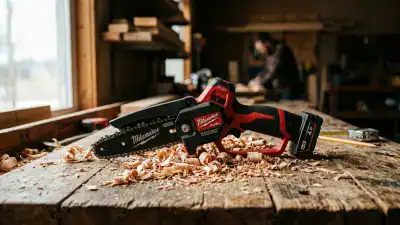




As a seasoned chainsaw professional, I’ve seen countless saws come through my shop – some purring like kittens, others sputtering their last breath. The difference? Often, it boils down to the right fluids and lubricants. Think of these as the lifeblood of your chainsaw; neglecting them is like asking your body to run a marathon without water.
Table Of Content
- Fueling Your Chainsaw: The Lifeblood of the Engine
- 1. Gasoline: Fresh and Ethanol-Free is Key
- 2. 2-Stroke Engine Oil: The Lubrication Partner
- Bar & Chain Oil: The Friction Fighter
- 1. Purpose and Importance
- 2. Types and Viscosity
- 3. When to Check and Refill
- Grease Points: Smooth Operators
- 1. Clutch Bearing Grease
- 2. Sprocket Nose Bar Grease (for specific bars)
- Final Tips for Fluid Management
At Best professional chainsaw, we believe that understanding and using the correct fluids isn’t just about performance; it’s about safety, reliability, and significantly extending the life of your valuable equipment. Let’s dive into the essentials.
Fueling Your Chainsaw: The Lifeblood of the Engine
Most chainsaws are powered by two-stroke engines, which have specific fuel requirements. Getting this wrong is the quickest way to engine failure.
1. Gasoline: Fresh and Ethanol-Free is Key
- Octane Rating: Always use fresh, regular unleaded gasoline with an octane rating of 89 or higher. Higher octane isn’t necessarily better and can sometimes be detrimental if your engine isn’t designed for it.
- Ethanol Content: This is critical. Ethanol can attract water, corrode fuel system components, and degrade rubber and plastic parts over time, especially in older chainsaws. Always opt for ethanol-free gasoline if available. If not, use fuel with the lowest possible ethanol content (typically E10 or less) and never store fuel with ethanol in your chainsaw for extended periods.
- Freshness: Gasoline degrades rapidly. Use fuel that is less than 30 days old. Stale fuel can lead to hard starting, poor performance, and engine damage.
2. 2-Stroke Engine Oil: The Lubrication Partner
Since two-stroke engines don’t have a separate oil sump, the engine oil must be mixed directly with the gasoline. This oil lubricates critical engine components like the piston, cylinder, and crankshaft.
- Mixing Ratio: This is paramount! Always follow your chainsaw manufacturer’s recommended mixing ratio (e.g., 50:1, 40:1). For a 50:1 ratio, you mix 2.6 ounces of 2-stroke oil with 1 gallon of gasoline. Using too little oil leads to insufficient lubrication and engine seizure; too much can cause excessive smoke, carbon buildup, and fouled spark plugs.
- Quality Matters: Invest in high-quality 2-stroke oil specifically designed for air-cooled engines. Look for oils that meet or exceed industry standards like JASO FD or ISO-L-EGD. These oils burn cleaner, produce less smoke, and offer superior lubrication. Brands like Stihl HP Ultra, Husqvarna XP, or Echo Red Armor are excellent choices.
- Pre-Mixed Fuels: For convenience and ultimate engine protection, consider using premium pre-mixed, ethanol-free fuels (e.g., TruFuel, Stihl MotoMix). These fuels have a long shelf life, eliminate mixing guesswork, and are ideal for sporadic users or for storing your saw.
- Mixing Procedure: Use a dedicated fuel can and an accurate measuring container. Always mix thoroughly before fueling your chainsaw.
Bar & Chain Oil: The Friction Fighter
This is arguably the most frequently consumed fluid for your chainsaw, and its role is vital for the cutting components.
1. Purpose and Importance
Bar and chain oil continuously lubricates the guide bar and saw chain as it spins at high speeds. This lubrication is crucial for:
- Reducing Friction: Minimizes wear on the chain, guide bar grooves, and drive sprocket.
- Dissipating Heat: The constant friction generates significant heat; oil helps cool these components.
- Preventing Corrosion: Protects metal parts from rust and environmental damage.
- Removing Debris: Helps flush away sawdust and chips from the bar groove.
2. Types and Viscosity
- Specific Formulation: bar and chain oil is specially formulated to be tacky, meaning it sticks to the chain as it moves, resisting fling-off. This is why you should never use regular motor oil. Motor oil is too thin, will quickly fling off, and won’t provide adequate lubrication, leading to premature wear and potential bar/chain damage.
- Viscosity: Look for oils designed for different temperatures. Thicker oil (higher viscosity) is better for warm weather to prevent excessive fling-off. Thinner oil (lower viscosity) is needed in cold weather to ensure proper flow to the bar and chain. Many manufacturers offer “all-season” or “winter” blends.
- Biodegradable Options: For environmentally conscious users, especially in sensitive areas, biodegradable bar and chain oils are available and perform very well.
3. When to Check and Refill
A good rule of thumb is to refill your bar and chain oil reservoir every time you refuel your chainsaw. Most chainsaws are designed so their bar oil tank empties around the same time the fuel tank does.
Grease Points: Smooth Operators
While not a fluid in the traditional sense, grease is a critical lubricant for specific chainsaw components.
1. Clutch Bearing Grease
The needle bearing behind the clutch drum (the part that the chain sprocket rides on) requires periodic lubrication. This bearing allows the clutch drum to spin freely when the chain brake is engaged or at idle. Consult your chainsaw’s manual for recommended grease type (often a high-temperature lithium-based grease) and frequency, typically every 8-10 hours of operation or during significant maintenance.
2. Sprocket Nose Bar Grease (for specific bars)
Some guide bars feature a sprocket at the nose, which needs to be greased to ensure smooth chain rotation and prevent wear. Use a small grease gun with a special tip for the tiny hole on the bar nose. Grease every few hours of operation, or when you notice the sprocket feeling stiff. Not all bars have a greaseable nose sprocket, so check your specific guide bar.
Final Tips for Fluid Management
- Read Your Manual: Your chainsaw’s owner’s manual is your ultimate guide. It specifies the exact types, ratios, and maintenance intervals for all fluids and lubricants.
- Storage: Store all fluids in cool, dry places away from direct sunlight. Keep containers tightly sealed.
- Cleanliness: Always clean around fuel and oil caps before opening to prevent dirt and debris from entering the tanks.
- Don’t Mix Brands (unless specified): While many oils are compatible, it’s generally best to stick with the same brand or type of 2-stroke oil and bar oil for consistency.
By diligently following these guidelines for essential lubricants and fluids, you’re not just performing maintenance; you’re investing in the longevity, safety, and peak performance of your chainsaw. Happy cutting!