

Gear Up: Your Essential chainsaw accessories Checklist
As a homeowner or DIY enthusiast, owning a chainsaw opens up a world of possibilities for property maintenance, firewood preparation, and landscape improvements. But a chainsaw is only as effective and safe as the accessories that accompany it. Think of your chainsaw as the engine and its accessories as the necessary crew – each plays a vital role. From ensuring your personal safety to keeping your saw in peak condition and making your work easier, these aren’t just extras; they’re must-haves.
Table Of Content
At Best professional chainsaw, we believe that proper preparation is key to a successful and safe cutting experience. Let’s dive into the essential accessories every homeowner and DIY user should have in their arsenal.
1. Prioritize Safety: Personal Protective Equipment (PPE)
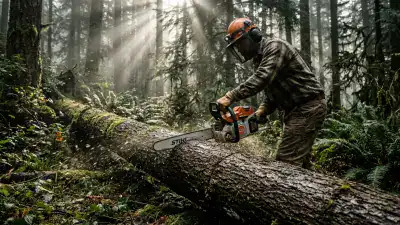
Before you even think about starting your saw, your personal safety comes first. This isn’t optional; it’s mandatory. Invest in quality PPE:
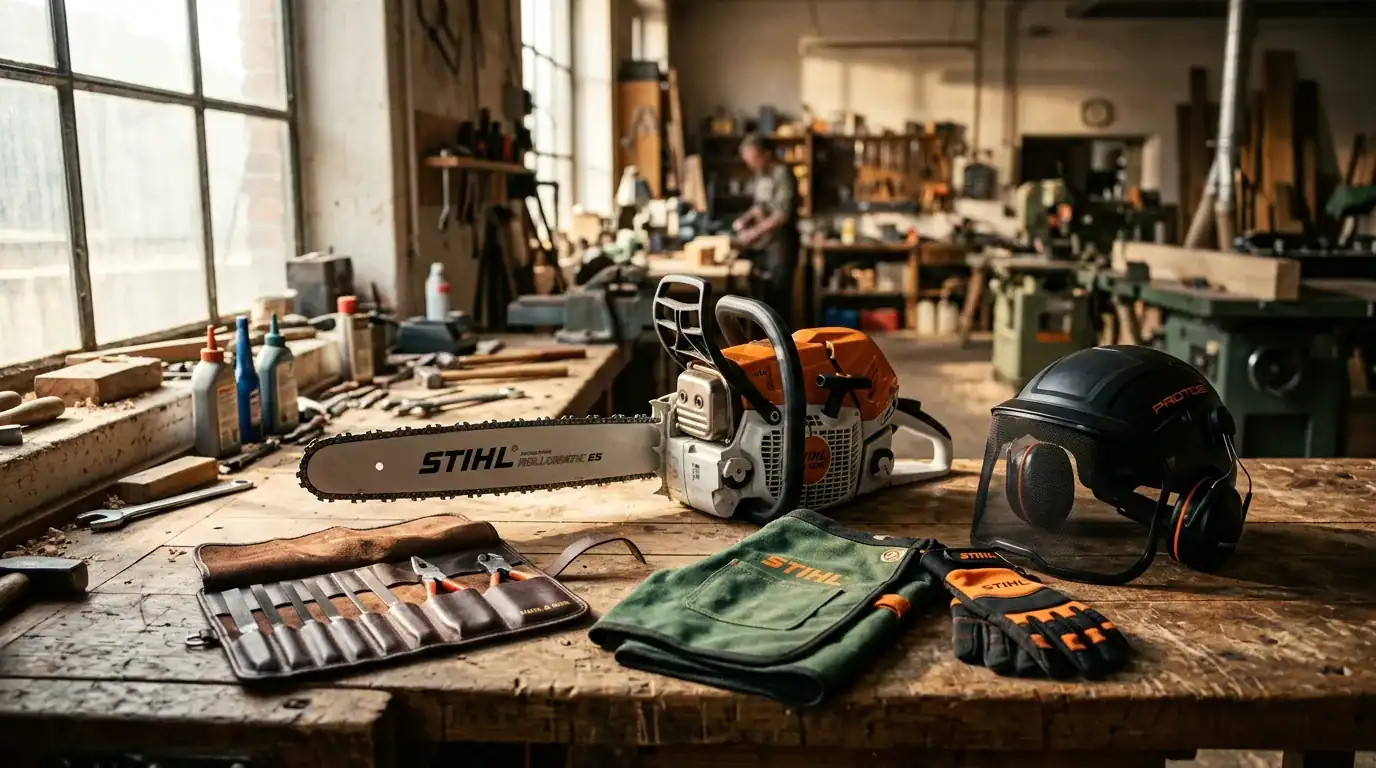
- Chainsaw Helmet System: This isn’t just a hard hat. A proper chainsaw helmet integrates three critical components:
- Hard Hat: Protects against falling branches.
- Face Shield: Guards your face from flying debris and wood chips.
- Hearing Protection: Chainsaws are loud! Ear muffs or plugs protect your hearing from sustained noise levels, often exceeding 100 dB.
Models like the STIHL Function Basic or Husqvarna Technical Helmets are excellent examples of integrated systems.
- Chainsaw Chaps or Pants: These are arguably your most important piece of safety gear after eye/head protection. Chainsaw chaps are made with multiple layers of ballistic nylon or similar material designed to snag and stop a moving chain upon contact, giving you precious seconds to react. Look for chaps that meet ASTM F1897 or UL standards. Always wear them over your regular work pants.
- Heavy-Duty Work Gloves: Protect your hands from splinters, cuts, and abrasions. Look for gloves with good grip and vibration reduction features to minimize fatigue and potential numbness (white finger syndrome) during extended use.
- Steel-Toe Boots: Protect your feet from falling logs, dropped equipment, and – crucially – accidental contact with the saw chain. Look for boots designed for forestry work, often with cut-resistant features and good ankle support.
- First-Aid Kit: Always have a well-stocked first-aid kit readily accessible when operating a chainsaw. Accidents can happen, and quick treatment can make a significant difference.
2. Maintain & Sharpen: Keeping Your Saw Ready
A well-maintained and sharp chainsaw is a safe and efficient chainsaw. These accessories ensure your saw performs optimally:
- Bar & Chain Oil: Essential for lubricating the guide bar and chain, reducing friction, heat, and wear. Always use a dedicated bar and chain oil; motor oil is not a suitable substitute as it doesn’t have the necessary tackiness to stay on the chain. Keep a full gallon on hand.
- Chainsaw Sharpening Kit: A dull chain makes cutting slow, dangerous, and puts undue strain on your saw. A good kit includes:
- Round Files: Matched to your chain’s pitch (e.g., 5/32″ for 3/8″ low profile, 3/16″ for .325″, 7/32″ for 3/8″ full profile).
- File Guide: Ensures you maintain the correct sharpening angle.
- Depth Gauge Tool & Flat File: For filing down the depth gauges (rakers) to ensure proper chip removal.
Learning to sharpen your own chain is a fundamental skill for any chainsaw owner.
- Fuel Can & Fuel Stabilizer (for Gas Saws): Store your mixed fuel in an approved safety fuel can. If your saw isn’t used frequently, always add a fuel stabilizer to your gas mix to prevent fuel degradation and carburetor issues. For electric or battery saws, simply ensure your batteries are charged and stored properly.
- Scrench (Wrench/Screwdriver Combo): This multi-tool is typically included with your chainsaw and is indispensable for adjusting chain tension, removing the bar cover, and often for spark plug access. Always keep it with your saw.
- Air Filter Cleaner/Brush: A clean air filter is crucial for engine performance and longevity. Regularly clean or replace your air filter.
3. Work Smarter: Cutting & Handling Aids
These tools make your cutting tasks safer, easier, and more efficient:
- Felling Wedges & Maul: Essential for controlling the direction of a falling tree and preventing the saw bar from getting pinched in the cut. Use plastic or aluminum wedges; never steel, as they can damage your chain if accidentally contacted. A felling maul (or splitting maul) is used to drive the wedges.
- Cant Hook or Log Tongs: For moving and rotating logs on the ground, preventing you from bending over excessively or putting your hands too close to the chain. A cant hook is great for rolling larger logs, while log tongs are excellent for lifting and dragging smaller ones.
- Sawbuck or Log Horse: Provides a stable, elevated platform for cutting firewood into manageable lengths, preventing your chain from hitting the ground and dulling prematurely. This is a game-changer for firewood processing.
4. Storage & Transport: Protecting Your Investment
- Chainsaw Case or Scabbard: A hard case protects your saw during transport and storage, keeping it free from dust and accidental damage. A scabbard (bar cover) protects the chain and bar when the saw is not in use, and protects you from the sharp chain.
Investing in these essential chainsaw accessories isn’t just about buying more gear; it’s about investing in your safety, the longevity of your equipment, and the efficiency of your work. Always remember: a truly professional approach to chainsaw work starts with being well-equipped and knowledgeable. Stay safe out there!