
The Enduring Roar: Jonsered’s Legacy in Chainsaws
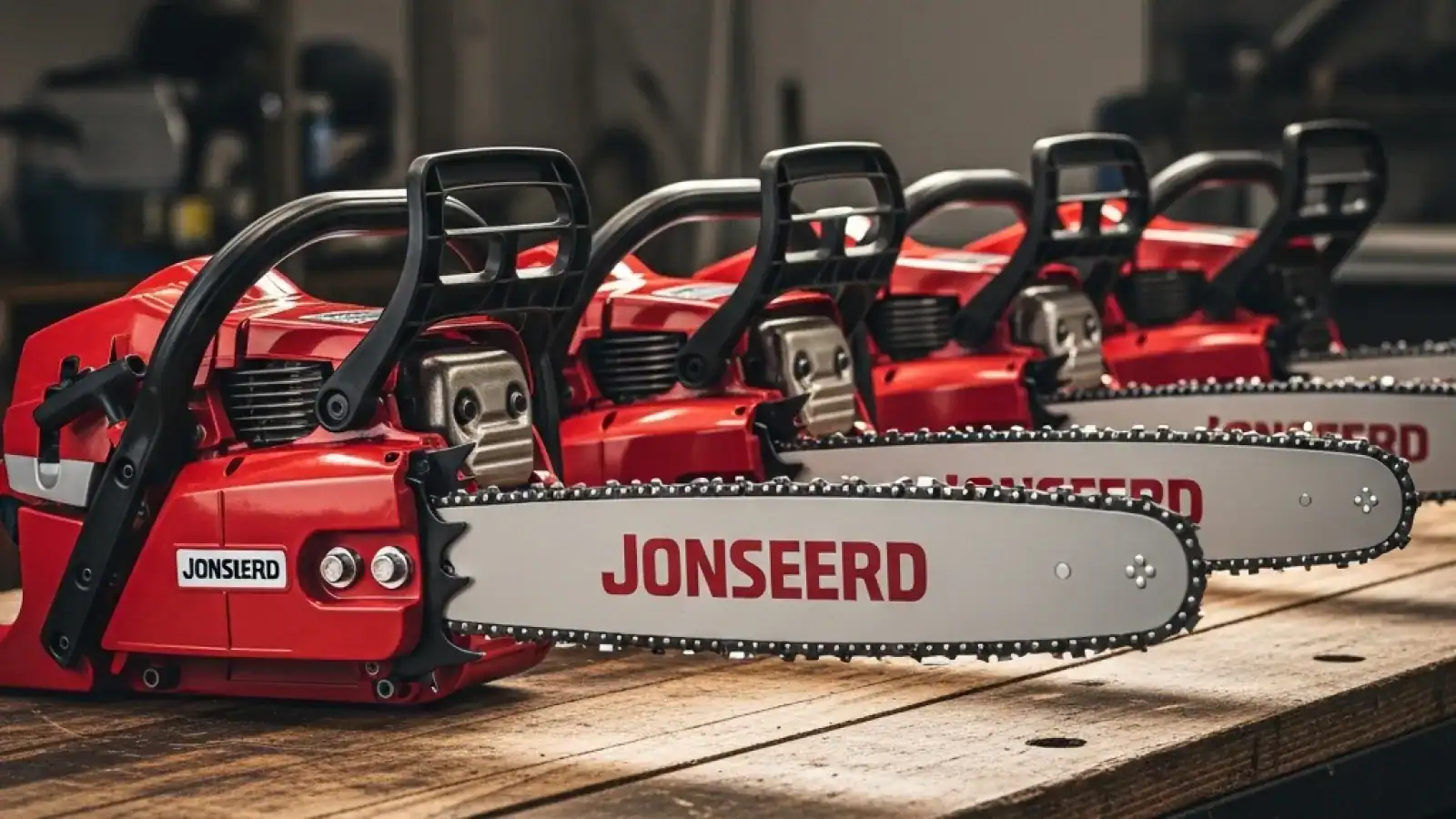
For anyone who has spent time felling timber, cutting firewood, or clearing land, the name Jonsered likely conjures images of robust, reliable, and powerful chainsaws. Hailing from the rugged forests of Sweden, Jonsered has carved out a legendary reputation in the world of outdoor power equipment. While the brand’s visibility has changed over the years, its impact on forestry and the loyalty it inspires among users remain as strong as ever. Much like a trusty axe passed down through generations, a Jonsered chainsaw often holds a special place in a user’s toolkit.
Table Of Content
- The Enduring Roar: Jonsered’s Legacy in Chainsaws
- From Swedish Mills to Forest Giants: A History of Jonsered Chainsaws
- The Dawn of the “Raket” Era: Innovation in the 1950s
- Professional Powerhouses and Global Reach: The 1970s-1990s
- Integration and Modernization: The Husqvarna Era
- A Comprehensive Look: Jonsered Chainsaw Model List
- The Early Pioneers (1950s-1970s)
- The Golden Era: Power and Durability (1980s-1990s)
- The Modern Era: Integration and Refinement (2000s-Present)
- The Enduring Appeal: Why Vintage Jonsereds Still Cut It
- Raw Power and Unrestricted Torque
- Unmatched Durability and Simplicity
- Ease of Maintenance and Repair
- Old vs. New: A Balanced Perspective
- Practical Guidance for Jonsered Owners and Enthusiasts
- Finding Your Jonsered: Buying Tips
- Essential Maintenance for Longevity
- Safety First: A Non-Negotiable Rule
- Parts and Community Support
As a seasoned arborist and outdoor power equipment specialist, I’ve seen countless saws come and go, but the heritage of Jonsered stands apart. Their machines weren’t just tools; they were companions in demanding work, known for their innovative engineering, operator comfort (for their time), and sheer durability. This deep dive isn’t just a nostalgic look back; it’s an exploration of why Jonsered chainsaws, both vintage and modern, continue to command respect and what they offer to the contemporary user.
Whether you’re a seasoned logger, a landowner tackling tough jobs, or a budding enthusiast curious about the titans of the timber industry, understanding Jonsered’s journey provides valuable insight. We’ll trace their history from humble beginnings, examine a comprehensive list of their most iconic models, compare the beloved classics to their modern counterparts, and discuss why this Swedish powerhouse has left an indelible mark on the forestry world.
From Swedish Mills to Forest Giants: A History of Jonsered Chainsaws
The story of Jonsered begins long before chainsaws ever entered the picture. Founded in 1832 in Jonsered, Sweden, the company initially focused on textiles, machinery, and various industrial products. It wasn’t until the mid-20th century that the company pivoted towards forestry equipment, a move that would redefine its legacy and embed its name deeply into the timber industry. This shift was a natural progression for a Swedish company surrounded by vast forests and a burgeoning demand for efficient logging tools.
The Dawn of the “Raket” Era: Innovation in the 1950s
Jonsered introduced its first chainsaw, the Jonsered Raket XA, in 1954. The name “Raket” (Swedish for “rocket”) aptly captured the ambition and power this new machine brought to the market. At 75cc, the Raket XA was a significant step forward, offering professional loggers a powerful and relatively lightweight option compared to the cumbersome two-man saws prevalent at the time. Early models focused on robust construction and straightforward operation, laying the groundwork for a reputation built on reliability.
Throughout the late 1950s and 1960s, Jonsered continued to refine its Raket series with models like the Raket XF and XG. These iterations often featured improved power-to-weight ratios, enhanced engine designs, and early attempts at anti-vibration technology, making the saws more comfortable for extended use. The company’s commitment to innovation and understanding the logger’s needs quickly established Jonsered as a serious competitor in the rapidly evolving chainsaw market.
Professional Powerhouses and Global Reach: The 1970s-1990s
The 1970s saw Jonsered solidify its position with the introduction of truly professional-grade saws designed for heavy-duty work. The Jonsered 70E, launched in the early 1970s, quickly became a legend. With its powerful 70cc engine, robust construction, and advanced anti-vibration system, it was a workhorse that could withstand the rigors of professional logging. This saw, along with others from this era, exemplified Jonsered’s dedication to durability and raw cutting power.
The 1980s and 1990s are often considered the “golden age” for Jonsered, producing some of its most iconic and beloved models. Saws like the Jonsered 630 Super, 670 Champ, and the formidable 2094 became benchmarks for performance and reliability. These machines were characterized by their high torque engines, excellent build quality, and user-friendly designs that prioritized ease of maintenance. During this period, Jonsered saws gained significant international recognition, becoming a preferred choice for professionals worldwide who demanded uncompromising performance.
Integration and Modernization: The Husqvarna Era
In the late 1970s, Jonsered became part of the Electrolux Group, which already owned Husqvarna. Over time, Jonsered’s operations became more integrated with Husqvarna’s, leading to shared technologies and manufacturing processes. While Jonsered continued to maintain its distinct red and black branding and model lines, many of its modern saws began to share platforms and components with Husqvarna models. This integration allowed Jonsered to benefit from Husqvarna’s advanced research and development, particularly in areas like engine efficiency, emissions reduction, and ergonomic design.
The early 2000s and beyond saw Jonsered continue to produce a range of chainsaws catering to homeowners, landowners, and professionals, incorporating modern features such as X-Torq equivalent engines for better fuel economy and lower emissions, and advanced anti-vibration systems for improved comfort. Although Jonsered saws are no longer actively manufactured under the distinct Jonsered branding in many markets, their legacy lives on through the robust machines still in operation and the fond memories of those who wielded them.
A Comprehensive Look: Jonsered Chainsaw Model List
To truly appreciate the brand, it’s essential to understand the specific models that defined Jonsered’s journey. From the pioneering Raket series to the high-performance modern saws, each model contributed to the brand’s sterling reputation. Here’s a categorized breakdown of some of the most significant Jonsered chainsaw models:
The Early Pioneers (1950s-1970s)
These models laid the foundation for Jonsered’s reputation for ruggedness and power, making the transition from two-man saws to portable, powerful machines.
- Jonsered Raket XA (1954): The very first Jonsered chainsaw, featuring a 75cc engine. It was revolutionary for its time, introducing professional loggers to the concept of a powerful, single-operator saw. While basic by today’s standards, it was a robust machine built for demanding work.
- Jonsered Raket XF (1957) & XG (1960s): Successors to the XA, these models brought incremental improvements in engine design, power delivery, and ergonomics. They continued to build Jonsered’s reputation for reliable performance in the challenging forest environment.
- Jonsered 70E (early 1970s): A true professional workhorse. This 70cc saw was celebrated for its raw power, exceptional durability, and early adoption of effective anti-vibration technology, making it a favorite among loggers for heavy felling and bucking.
The Golden Era: Power and Durability (1980s-1990s)
This period saw Jonsered produce some of its most iconic and beloved models, known for their legendary reliability and impressive power-to-weight ratios. These saws are still highly sought after by collectors and users today.
- Jonsered 630 Super (1985): Often cited as one of the best chainsaws ever made, the 630 Super featured a 61cc engine known for its high torque and impressive longevity. It was relatively simple to maintain, making it a favorite for both professional firewood cutters and landowners needing a serious saw. Its robust metal construction contributed to its incredible durability.
- Jonsered 670 Champ (1990): Building on the success of the 630, the 670 Champ boasted a 66.7cc engine with even more power and advanced features like improved air filtration. It offered a fantastic power-to-weight ratio, making it agile enough for felling medium to large trees while still being a powerhouse for bucking and limbing.
- Jonsered 2094 (1994): The undisputed king of Jonsered’s professional lineup, this saw packed a massive 94cc engine. Designed for the most demanding logging tasks, including felling very large timber and running portable sawmills, the 2094 was a brute of a machine, known for its incredible raw power and ability to handle long guide bars (up to 36 inches or more).
- Jonsered 2054 & 2055 (1990s): These mid-range professional saws (around 50-55cc) were popular for their versatility, offering a great balance of power, weight, and features for a wide range of tasks, from firewood to light professional work. They often featured efficient engine designs and good anti-vibration systems.
The Modern Era: Integration and Refinement (2000s-Present)
Under the umbrella of the Husqvarna Group, modern Jonsered saws benefited from shared technological advancements, focusing on fuel efficiency, reduced emissions, and enhanced ergonomics. While distinct, they often mirrored Husqvarna’s core designs.
- Jonsered CS 2245 (approx. 2010s): A popular homeowner and landowner saw with a 45cc engine. It offered a good balance of power for general yard work, firewood cutting, and occasional felling. It typically featured modern safety innovations, easy starting, and reasonable fuel consumption.
- Jonsered CS 2255 (approx. 2010s): Stepping up in power, the CS 2255, with its 55.5cc engine, was designed for more demanding tasks. It provided the necessary grunt for larger firewood operations, small-scale logging, and storm cleanup, often incorporating advanced anti-vibration and ergonomic design elements.
- Jonsered CS 2260 (approx. 2010s): This 60.3cc model represented Jonsered’s professional-grade offering in the modern lineup. It was built for serious work, featuring strong engine performance, excellent acceleration, and often equipped with X-Torq equivalent engine technology for improved fuel efficiency and lower exhaust emissions, similar to its Husqvarna counterparts.
The Enduring Appeal: Why Vintage Jonsereds Still Cut It
Despite the advancements in modern chainsaw technology, a significant number of enthusiasts, landowners, and even some professionals continue to seek out and prefer older Jonsered models. Why does a saw from the 80s or 90s still hold such an allure? It boils down to a few key factors that speak to the brand’s enduring legacy.
Raw Power and Unrestricted Torque
Many older Jonsered saws, especially models like the 630 Super, 670 Champ, and the mighty 2094, are renowned for their raw, unadulterated power and torque. Before stringent emissions regulations became the norm, engineers had more freedom to design engines for maximum output. This often translates to a more aggressive cutting feel, faster chain speed under load, and an ability to tackle dense wood with seemingly effortless ease. While modern saws are incredibly efficient, some users feel that older models offer a more visceral cutting experience.
Unmatched Durability and Simplicity
Have you ever heard someone say, “They don’t build ’em like they used to”? This sentiment perfectly encapsulates the appeal of vintage Jonsereds. Many older models feature more metal components and fewer complex electronics compared to modern saws. This robust construction contributes to their legendary durability, often allowing them to run reliably for decades with proper maintenance. The simpler mechanical designs also mean they are often easier for the average user to diagnose and repair, a significant advantage for those who prefer to wrench on their own equipment.
Ease of Maintenance and Repair
For the DIY enthusiast or someone working in remote areas, the simplicity of older Jonsereds is a huge plus. Carburetors are typically easier to adjust, and parts, while sometimes harder to source new, can often be found used or reproduced by specialty shops. There’s a certain satisfaction in being able to keep a machine running with basic tools and knowledge, something that becomes more challenging with the intricate electronic control units found in many contemporary saws. The fewer proprietary parts, the better for long-term usability.
Old vs. New: A Balanced Perspective
When comparing an old Jonsered to a modern one, it’s not a simple case of one being definitively “better” than the other; it’s about priorities and needs. Older models excel in raw power, durability, and repairability for the mechanically inclined. However, they typically come with higher fuel consumption, increased emissions, and less advanced anti-vibration systems, which can lead to more operator fatigue. Safety features might also be more basic compared to the chain brakes and inertia-activated systems of today.
Modern Jonsered (and Husqvarna-platform) saws, on the other hand, offer significant advantages in fuel efficiency, drastically reduced emissions, and sophisticated anti-vibration technology that makes extended cutting far more comfortable. They often include advanced safety features, easier starting mechanisms, and lighter overall weight for their power output. However, their electronic components and complex engine designs can make DIY repairs more challenging and parts more expensive. Ultimately, the “best” saw is the one that fits your specific tasks, experience level, and personal preferences, whether that’s the raw power of a vintage 2094 or the refined efficiency of a CS 2260.
Practical Guidance for Jonsered Owners and Enthusiasts
Whether you’re looking to acquire a classic Jonsered or keep a modern one running optimally, practical knowledge is key. As a content expert in this field, I always emphasize actionable advice that helps you get the most out of your equipment safely and efficiently.
Finding Your Jonsered: Buying Tips
If you’re in the market for a vintage Jonsered like a 630 Super or a 2094, be prepared to do some searching. Online marketplaces like eBay and Craigslist are common hunting grounds, as are forestry forums and specialized vintage power equipment groups on social media. When inspecting an older saw, always check for strong compression, a clean fuel tank, and intact components. A saw that starts easily and idles smoothly is a good sign. Be wary of heavily modified or poorly repaired machines; original condition, even with cosmetic wear, is often preferable.
For newer Jonsered models (or their Husqvarna equivalents), local authorized dealerships are your best bet. They offer new saws with warranties, access to genuine parts, and certified service technicians. Don’t hesitate to ask for a demonstration and compare models based on bar length, engine power (cc), and specific features relevant to your typical cutting tasks. Remember, a 45cc saw with a 16-inch bar is perfect for firewood, but you’ll want something in the 60cc+ range with an 20-inch or longer bar for felling larger trees.
Essential Maintenance for Longevity
Regardless of its age, a Jonsered chainsaw thrives on consistent maintenance. For all 2-stroke engines, using the correct fuel-to-oil mix (typically 50:1 for modern synthetic oils, or as specified in the manual) is non-negotiable. Poor fuel mix is a leading cause of engine failure. Always use fresh, high-quality fuel and mix it just before use.
Regularly cleaning or replacing the air filter is crucial for engine performance and longevity. A clogged filter starves the engine of air, leading to poor performance and increased wear. Keep your guide bar clean and flip it periodically to ensure even wear, and always ensure your chain is sharp and correctly tensioned. A dull chain makes the saw work harder, increases fuel consumption, and is a significant safety hazard. Inspect your spark plug, fuel filter, and chain brake regularly for proper function.
Safety First: A Non-Negotiable Rule
The power and efficiency of a chainsaw demand respect, regardless of whether it’s a vintage beast or a modern marvel. Always wear appropriate personal protective equipment (PPE): a helmet with hearing and face protection, chainsaw chaps (which can literally save your leg), heavy-duty gloves, and sturdy boots. Understand the risks of kickback and always maintain a firm grip with both hands. Never operate a chainsaw when fatigued or under the influence of substances.
Before making any cut, plan your escape route, clear your work area, and understand the tension in the wood. Even with a well-maintained Jonsered, improper technique or neglecting safety protocols can lead to serious injury. Consider taking a chainsaw safety course if you’re new to operating these powerful tools.
Parts and Community Support
For owners of older Jonsereds, sourcing parts can be a fun challenge. Specialty websites, online forums, and enthusiast groups often have leads for NOS (New Old Stock) parts or reliable aftermarket alternatives. The Jonsered community is incredibly supportive, with experienced users often sharing advice, repair tips, and even spare parts. For modern saws, Husqvarna dealerships are the primary source for genuine Jonsered-branded or compatible Husqvarna parts.
The legacy of Jonsered isn’t just in the machines themselves, but in the community of users who appreciate their history and continue to keep them running. It’s a testament to Swedish engineering and a commitment to quality that few brands achieve.