



Maximize Your Cordless Chainsaw’s Battery Life and Performance
Cordless chainsaws have revolutionized how many of us tackle yard work and property maintenance. They offer incredible convenience, portability, and reduced noise compared to their gas-powered counterparts. However, the one common concern we hear at Best professional chainsaw is about battery life and runtime. As your trusted chainsaw expert, I’m here to share actionable strategies to help you get the most out of your cordless chainsaw’s battery, ensuring peak performance and longevity.
Table Of Content
Understanding Your Battery: The Heart of Your Cordless Saw
Most modern cordless power tools, including chainsaws, are powered by Lithium-ion (Li-ion) batteries. These batteries are lightweight, powerful, and don’t suffer from the “memory effect” common in older battery technologies. Key terms you’ll encounter are:
- Voltage (V): This indicates the power output. Higher voltage (e.g., 40V, 60V, 80V) generally means more power for tougher cuts.
- Amp-hours (Ah): This measures the battery’s capacity, or how long it can deliver power. Higher Ah (e.g., 2.5Ah, 5.0Ah, 7.5Ah) means longer runtime.
Think of voltage as how fast your chainsaw can cut, and amp-hours as how long it can keep cutting.
Smart Charging Practices for Optimal Health
The way you charge your battery significantly impacts its lifespan and performance. Follow these best practices:
- Use the Right Charger: Always use the charger specifically designed for your battery and brand (e.g., DeWalt, Stihl, Ego, Greenworks). Generic chargers might not provide the correct voltage or charging profile, potentially damaging the battery.
- Charge in Ideal Temperatures: Avoid charging batteries in extreme heat or cold. The optimal charging temperature range is typically between 40°F (5°C) and 105°F (40°C). Charging outside this range can stress the battery cells and reduce their capacity over time.
- Avoid Deep Discharges (Whenever Possible): While Li-ion batteries don’t have a “memory effect,” constantly running them until they’re completely dead can slightly shorten their overall cycle life. It’s generally better to recharge them when they’re low but not fully depleted.
- Don’t Overcharge (Modern Chargers Prevent This): Most modern Li-ion chargers are “smart chargers” that automatically stop charging once the battery is full. You don’t need to babysit them. However, don’t leave a fully charged battery on the charger indefinitely for weeks.
Optimizing Chainsaw Usage for Battery Efficiency
How you operate your chainsaw directly impacts how quickly its battery drains.
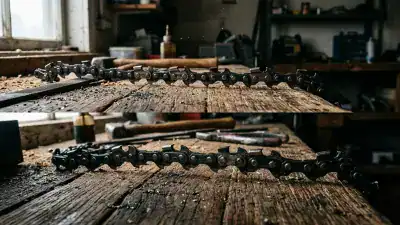
- Maintain a Razor-Sharp Chain: This is perhaps the single most important tip for battery efficiency. A sharp chain slices through wood cleanly with minimal effort. A dull chain, on the other hand, tears and grinds, forcing your chainsaw’s motor to work much harder, leading to rapid battery drain and slower cuts. Keep a file or sharpening tool handy and touch up your chain regularly, ideally every time you refuel (if it were gas) or after 20-30 minutes of cutting.
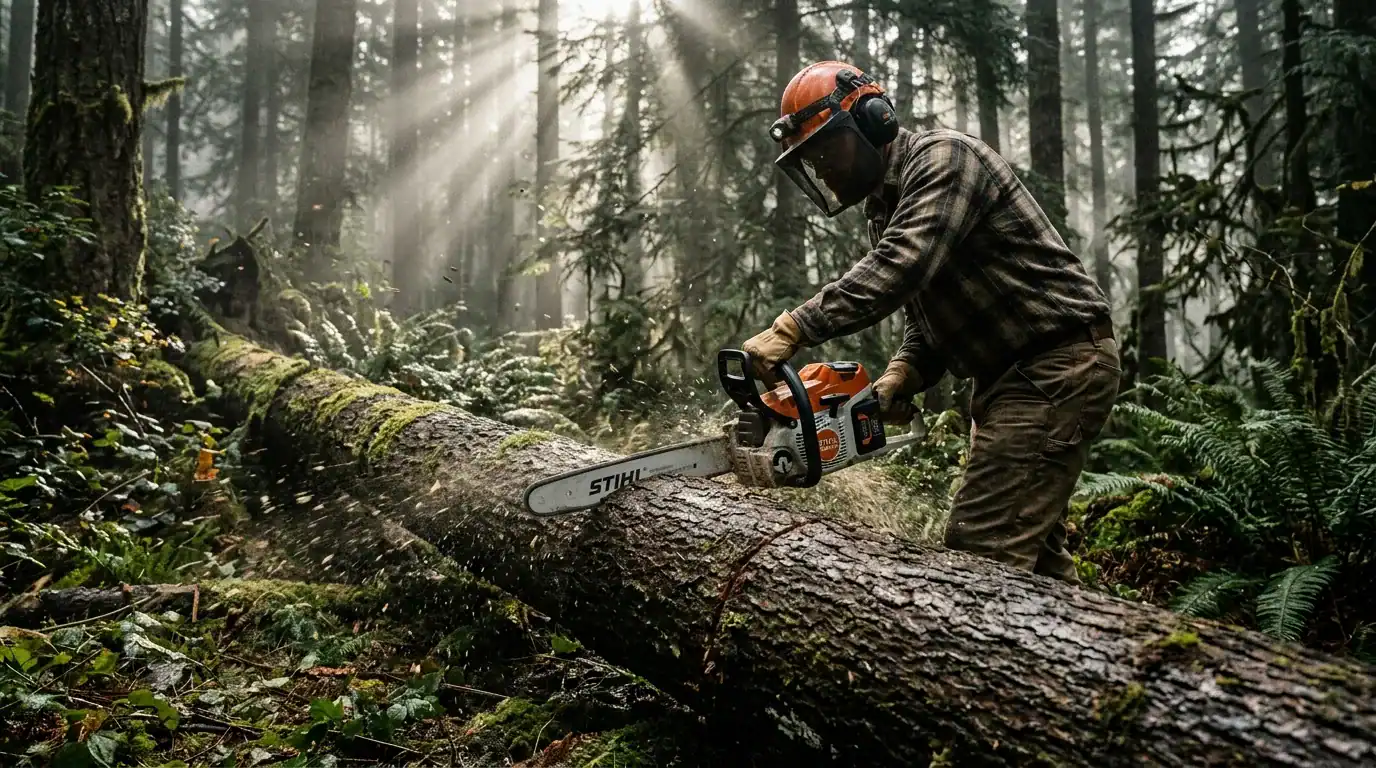
- Employ Proper Cutting Technique: Let the chainsaw do the work. Avoid forcing the bar through the wood with excessive pressure. Use a steady, controlled motion, allowing the sharp chain to bite naturally. Forcing the saw strains the motor, generates more heat, and significantly reduces battery runtime.
- Match the Saw to the Task: Don’t expect a small 40V chainsaw with a 12-inch bar and a 2.5Ah battery to efficiently fell large trees. Using an undersized saw for heavy-duty tasks will quickly deplete your battery and potentially overheat the motor. For larger diameter wood (e.g., 8-10+ inches), consider a higher voltage system (e.g., 60V or 80V) with a larger Ah battery and an appropriate bar length.
- Ensure Proper Chain Tension: A chain that’s too loose can derail, while one that’s too tight creates excessive friction, draining power and increasing wear on the bar and chain. Check your chain tension frequently – it should be snug but still allow you to pull it around the bar by hand.
- Adequate Chain Lubrication: Always ensure your chainsaw has enough bar and chain oil. Proper lubrication reduces friction between the chain and the bar, allowing the chain to glide smoothly. Less friction means less resistance for the motor and, consequently, less battery drain.
Battery Storage and Long-Term Maintenance
Proper storage is key to maximizing your battery’s overall lifespan.
- Store in a Cool, Dry Place: Extremes of temperature are detrimental to Li-ion batteries. Store them indoors, away from direct sunlight, heat sources, and damp environments. A garage in summer or an unheated shed in winter might be too hot or too cold.
- Maintain a Partial Charge for Storage: If you’re storing a battery for an extended period (more than a few weeks), it’s best to store it with a charge level between 30-60%. Storing a battery fully charged or completely depleted for long durations can degrade its capacity over time. Your smart charger might have a “storage mode” or indicate a specific charge level for this purpose.
- Keep Contacts Clean: Occasionally inspect and gently clean the battery terminals and charger contacts with a dry cloth to ensure good conductivity.
- Inspect for Damage: Periodically check your battery for any signs of physical damage, swelling, or leaks. A damaged battery can be a safety hazard and should be replaced.
When to Consider a New Battery
Even with the best care, all batteries have a finite lifespan, typically measured in charge cycles. You’ll notice degradation when:
- The runtime significantly decreases, even after a full charge.
- The battery takes much longer to charge or doesn’t hold a charge at all.
- The battery or charger shows error indicators.
When these signs appear, it’s time to invest in a replacement battery to maintain your chainsaw’s performance and safety.
Conclusion
Your cordless chainsaw is a powerful and convenient tool, and its battery is the heart of its operation. By implementing these expert tips on charging, usage, and storage, you can significantly extend your battery’s life, ensure consistent peak performance, and get the most out of your investment. Cut smarter, not harder, and your battery will thank you!