

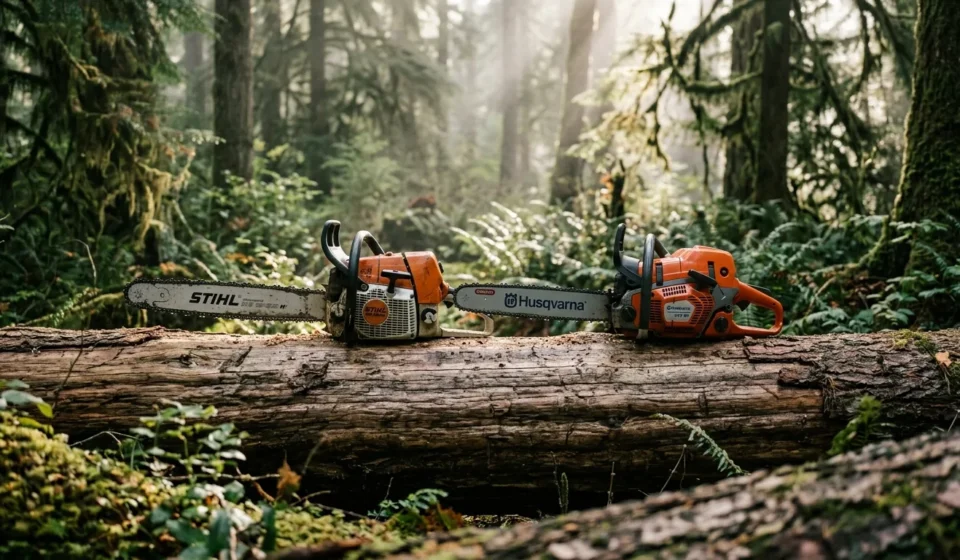

For many homeowners, landowners, and serious DIY enthusiasts, selecting the right chainsaw is a pivotal decision that directly impacts efficiency, safety, and overall satisfaction. When it comes to the mid-range chainsaw segment—saws designed to handle more than just light pruning but stop short of professional felling duties—two names consistently rise to the top: the Stihl MS 250 and the Husqvarna 440. Both are highly respected machines, yet they offer distinct characteristics that cater to different preferences and task requirements.
Table Of Content
- Understanding the Mid-Range User: Who Are These Saws For?
- Stihl MS 250: The Robust Workhorse
- Husqvarna 440: The Agile & Technologically Advanced Option
- Head-to-Head Comparison: Key Metrics Analyzed
- Power Output and Cutting Performance
- Weight, Balance, and Ergonomics
- Engine Technology and Fuel Efficiency
- Starting and Maintenance
- Specifications Comparison Table
- What to Watch Out For & Common Mistakes
- Making Your Choice: Which Saw for Your Needs?
- Frequently Asked Questions
- What’s the main advantage of the Stihl MS 250?
- Which saw is easier to start for beginners?
- Is the Husqvarna 440’s X-Torq engine truly better?
As an expert with years of hands-on experience in the world of outdoor power equipment, I’ve spent countless hours with both of these saws, and I understand the nuances that make each one shine in specific scenarios. This comprehensive guide will meticulously break down the Stihl MS 250 vs. Husqvarna 440, providing you with the detailed insights needed to make an informed choice for your property in 2026 and beyond. Let’s delve into what makes these two models such popular contenders.
Understanding the Mid-Range User: Who Are These Saws For?
Before we dive into the specifics of each model, it’s crucial to define the target user for these mid-range chainsaws. These aren’t the tiny electric models you’d use for a quick prune, nor are they the high-powered professional saws demanded by arborists felling massive trees. Instead, the Stihl MS 250 and Husqvarna 440 are engineered for individuals who regularly tackle tasks such as cutting firewood, clearing storm-damaged trees, felling small to medium-sized trees (typically up to 14-16 inches in diameter, occasionally larger with proper technique), and general property maintenance.
This demographic often seeks a balance of power, maneuverability, and reliability without the professional price tag or the sheer weight of a larger saw. They need a machine that starts consistently, cuts efficiently, and can withstand regular use without constant fiddling. Importantly, they also value user-friendly features that simplify operation and maintenance. Are you processing several cords of firewood annually, or simply keeping your acreage tidy? Your specific use case will heavily influence which saw aligns better with your needs, and that’s precisely what we’ll explore.
While both brands have an undeniable reputation for quality, understanding the subtle differences between these two workhorses is key. Many beginners and intermediate users often find themselves overwhelmed by the sheer volume of choices, but narrowing it down to these two titans makes the decision much more manageable, allowing us to focus on what truly matters. So, what specific attributes should you be looking for in a saw in this category?
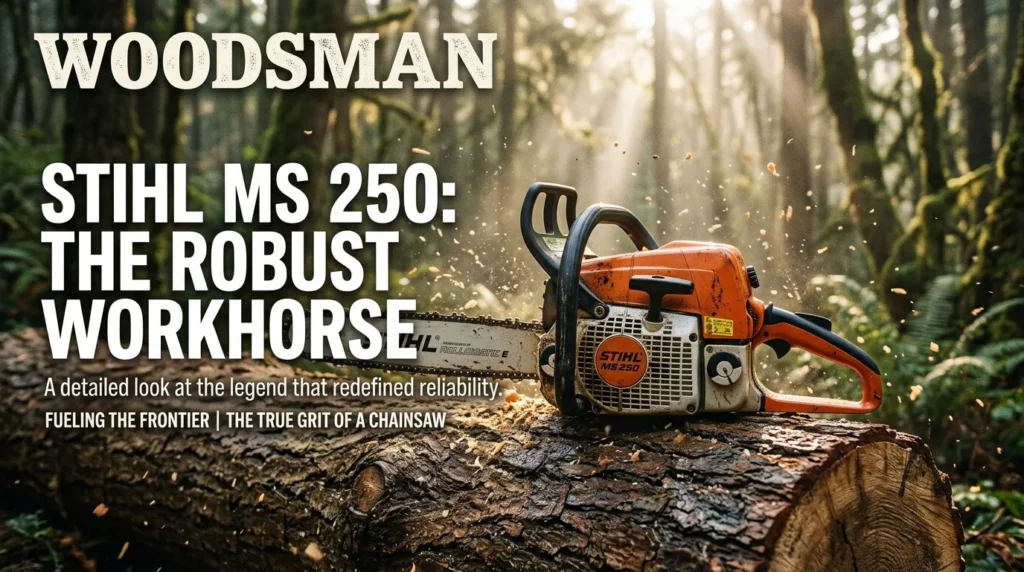
Stihl MS 250: The Robust Workhorse
The Stihl MS 250 has long been a favorite in the homeowner and landowner community, earning a reputation as a dependable performer. Powering this saw is a robust 45.4 cc (cubic centimeter) two-stroke engine, delivering an impressive 2.95 brake horsepower (bhp). This level of power is significant for a mid-range saw, providing ample muscle for tasks like cutting through hardwood logs for firewood or tackling smaller felling jobs with confidence. The MS 250 truly excels when you need that extra bit of oomph to slice through stubborn wood.
When it comes to bar length, the Stihl MS 250 typically comes equipped with an 18-inch bar, though it can comfortably handle a 16-inch bar for more nimble work. This versatility means you can adapt the saw to various tasks, from bucking large rounds to limbing. Despite its power, the powerhead weighs a manageable 10.1 lbs (4.6 kg), making it relatively easy to handle for extended periods, especially when combined with Stihl’s effective anti-vibration system. This system significantly reduces operator fatigue, a critical factor during long cutting sessions.
Key features of the Stihl MS 250 include its QuickStop® chain brake for enhanced safety, a side-access chain tensioner that simplifies adjustments, and a transparent fuel tank for easy fuel level monitoring. In my opinion, the MS 250 feels incredibly solid in the hand, a testament to Stihl’s build quality. It’s a saw designed to be put to work, day in and day out, and it consistently delivers. If you’re someone who values raw cutting power and rugged reliability above all else in this class, the MS 250 is a compelling choice that rarely disappoints.
Husqvarna 440: The Agile & Technologically Advanced Option
On the other side of the ring, we have the Husqvarna 440, a chainsaw that has carved out its own niche by emphasizing user-friendliness, advanced engine technology, and agility. This model is powered by a slightly smaller 40.9 cc X-Torq® engine, producing around 2.4 horsepower (hp). Don’t let the slightly lower power figure mislead you; Husqvarna’s X-Torq® technology is a game-changer. It’s specifically designed to deliver higher power where you need it, with up to 20% less fuel consumption and 60% less exhaust emissions compared to conventional engines, making it a more environmentally conscious choice without sacrificing performance for most typical tasks.
The Husqvarna 440 typically ships with a 16-inch bar, although it can accommodate anything from 13-inch to 18-inch bars, offering excellent flexibility for different cutting scenarios. At a powerhead weight of 9.7 lbs (4.4 kg), it’s marginally lighter than the MS 250. This, combined with Husqvarna’s LowVib® anti-vibration system and an ergonomically designed handle, contributes to a saw that feels exceptionally balanced and easy to maneuver. Honestly, for tasks requiring frequent repositioning or working in tighter spaces, that slight weight difference and refined ergonomics can make a noticeable impact on comfort.
One of the standout features of the Husqvarna 440 is its Smart Start® system, which significantly reduces the effort required to pull the starter cord. This, coupled with an air purge bulb, makes starting the saw remarkably easy, a feature highly appreciated by users who might not have the brute strength for traditional pull starts. Additionally, the 440 often includes tool-less chain tensioning (though this can vary by specific model year or regional variant), which simplifies on-the-go adjustments. Its Air Injection™ centrifugal air cleaning system also means less frequent filter cleaning, extending engine life and maintaining consistent power output. If ease of use, advanced engine technology, and slightly lighter weight are high on your priority list, the Husqvarna 440 presents a very strong case.
Head-to-Head Comparison: Key Metrics Analyzed
Now that we’ve examined each saw individually, let’s put them side-by-side to highlight their strengths and weaknesses across critical operational metrics. This is where the rubber meets the road, and you truly begin to see which mid-range chainsaw will serve you best.
Power Output and Cutting Performance
The Stihl MS 250, with its 45.4 cc engine and 2.95 bhp, holds a slight edge in raw power over the Husqvarna 440 (40.9 cc, 2.4 hp). For tasks demanding maximum torque and consistent brute force—like bucking larger, tougher hardwood rounds—the MS 250 will typically power through with less bogging down. However, the Husqvarna 440’s X-Torq® engine, while having lower peak horsepower, is incredibly efficient and delivers excellent cutting performance for its size. For general limbing, smaller felling, and firewood duties up to 14-16 inches, the 440 is more than capable and often feels quicker to rev up.
Weight, Balance, and Ergonomics
The Husqvarna 440 is slightly lighter at 9.7 lbs (powerhead only) compared to the Stihl MS 250‘s 10.1 lbs. While this difference might seem minimal on paper, over hours of work, it can contribute to less fatigue. The 440’s LowVib® system is highly effective, and its handles are often cited as being exceptionally comfortable. Stihl’s anti-vibration system on the MS 250 is also excellent, but some users perceive the Husky as having a slightly better overall balance and a more “nimble” feel, particularly when working overhead or at awkward angles. This is often a subjective preference, but a valid consideration. For example, imagine this situation: you’re clearing a thicket of small trees and brush on your property, constantly raising and lowering the saw for limbing and felling. That slight reduction in weight and improved balance of the 440 might just save your shoulders from aches and pains at the end of a long day.
Engine Technology and Fuel Efficiency
Here, the Husqvarna 440 with its X-Torq® engine clearly distinguishes itself. This technology dramatically improves fuel economy and reduces emissions, which is a significant plus for both your wallet and the environment. The Stihl MS 250 uses a more traditional engine design, proven for its reliability, but it won’t match the 440’s efficiency or reduced environmental impact. For those who are conscious about their carbon footprint or simply want to spend less time refueling, the 440 is the clear winner.
Starting and Maintenance
Starting ease is often a make-or-break factor for many users, and this is where the Husqvarna 440 truly shines with its Smart Start® system and air purge. It’s designed to start with minimal effort, which is a huge benefit, especially on cold mornings. The Stihl MS 250, while generally a reliable starter, requires a bit more traditional pull-cord effort. Both saws feature side-access chain tensioners, though some versions of the 440 may offer tool-less tensioning. The 440’s Air Injection™ system also means the air filter stays cleaner longer, potentially reducing maintenance frequency compared to the MS 250’s standard filtration.
Specifications Comparison Table
To provide a clear overview, here’s a direct comparison of the key specifications:
| Feature | Stihl MS 250 | Husqvarna 440 |
|---|---|---|
| Engine Displacement | 45.4 cc | 40.9 cc |
| Power Output | 2.95 bhp | 2.4 hp |
| Powerhead Weight | 10.1 lbs (4.6 kg) | 9.7 lbs (4.4 kg) |
| Recommended Bar Lengths | 16″ – 18″ | 13″ – 18″ |
| Fuel System Technology | Traditional Carburetor | Carburetor with X-Torq® |
| Anti-Vibration System | Stihl Anti-Vibration System | LowVib® |
| Starting Assist | Manual prime bulb | Smart Start® (spring-assisted) |
| Air Filtration | Standard | Air Injection™ centrifugal air cleaning |
What to Watch Out For & Common Mistakes
Regardless of which chainsaw you choose, awareness of proper usage and common pitfalls is paramount. Even the best equipment can be dangerous or ineffective if misused. Here’s what I always advise my clients to keep in mind:
- Overestimating Capabilities: Neither the Stihl MS 250 nor the Husqvarna 440 is designed for felling large, mature timber. Attempting to do so risks kickback, damage to the saw, and serious injury. Understand the limitations of a mid-range chainsaw.
- Improper Fuel Mix: Both are two-stroke engines, meaning they require a precise mix of gasoline and two-stroke oil. Using straight gas or an incorrect ratio will quickly lead to engine damage. Always use high-quality fuel and oil, and mix according to the manufacturer’s instructions.
- Neglecting Chain Sharpness: A dull chain is not just inefficient; it’s dangerous. It makes the saw work harder, creates excessive vibration, and increases the risk of kickback. A sharp chain glides through wood; a dull one tears at it. I’ve often seen users struggle needlessly because they haven’t sharpened their chain regularly.
- Ignoring Maintenance Intervals: Air filters, spark plugs, and bar and chain oil levels need regular checking and maintenance. A clogged air filter chokes the engine, a worn spark plug leads to poor starting, and insufficient bar oil can destroy your bar and chain. Regular cleaning and upkeep are vital for longevity and performance.
- Skipping Safety Gear: This is non-negotiable. Always wear appropriate chainsaw safety gear: a helmet with face shield and hearing protection, chainsaw chaps, sturdy gloves, and steel-toe boots. There’s simply no substitute for personal protective equipment (PPE).
- Incorrect Cutting Techniques: Understanding basic cutting techniques, especially how to avoid kickback and how to properly fell a small tree, is critical. Never cut above shoulder height, always maintain a firm grip, and be aware of your surroundings.
Making Your Choice: Which Saw for Your Needs?
So, after all this analysis, which mid-range chainsaw is the right one for you? The answer, as is often the case, depends on your specific priorities and the type of work you primarily do. Based on my years of experience, here’s my advice:
Choose the Stihl MS 250 if:
- You prioritize raw cutting power and torque for its class.
- You frequently deal with tougher, larger diameter hardwoods for firewood.
- You appreciate a robust, slightly heavier build that feels incredibly solid.
- You’re comfortable with a more traditional starting procedure and are less concerned about advanced fuel efficiency features.
- You value Stihl’s long-standing reputation for rugged durability and performance.
Choose the Husqvarna 440 if:
- You value ease of starting above all else, thanks to its Smart Start® system.
- You prefer a slightly lighter, more agile saw for extended limbing or property maintenance tasks.
- Fuel efficiency and reduced emissions (X-Torq® engine) are important considerations for you.
- You appreciate features that simplify maintenance, such as Air Injection™ and potentially tool-less chain tensioning.
- You’re looking for a user-friendly saw that offers a superb balance of power and comfort for general-purpose use.
In my personal experience, many newcomers to serious chainsaw work often find the Husqvarna 440’s ease of starting and lighter feel incredibly appealing. However, those who have spent more time in the woods and consistently push their saws might gravitate towards the Stihl MS 250 for its undeniable power and unwavering reliability when tackling tougher cuts. Both are fantastic machines, but they cater to subtly different operational philosophies.
Frequently Asked Questions
What’s the main advantage of the Stihl MS 250?
The primary advantage of the Stihl MS 250 is its raw power output, making it highly effective for bucking large firewood logs and felling small to medium-sized trees. It offers superior torque and a robust build for demanding tasks within its class.
Which saw is easier to start for beginners?
The Husqvarna 440 generally boasts an easier starting experience, largely due to its Smart Start® system and air purge feature. This reduces the effort required to pull the starter cord, making it more user-friendly, especially for new or less experienced operators.
Is the Husqvarna 440’s X-Torq engine truly better?
The Husqvarna 440’s X-Torq engine is indeed a significant advantage for many users. It delivers excellent power for its size while significantly reducing fuel consumption and exhaust emissions, making it more economical and environmentally friendly in the long run.
Ultimately, both the Stihl MS 250 and the Husqvarna 440 are exceptional mid-range chainsaws that have earned their places as industry leaders. Your final decision should hinge on a careful evaluation of your specific cutting needs, your personal preferences regarding ergonomics and starting ease, and how much you prioritize raw power versus fuel efficiency. Whichever you choose, remember that proper safety practices and diligent maintenance are non-negotiable for safe and effective operation. Take the time to visit a local dealer, feel each saw in your hands, and perhaps even ask for a demonstration. This hands-on approach, combined with the detailed insights from this guide on Best Professional Chainsaw, will undoubtedly lead you