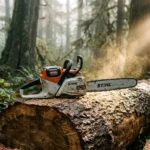



Battery-powered chainsaws have truly transformed the way many of us approach wood cutting, offering unparalleled convenience, lower noise, and zero emissions. Gone are the days of wrestling with pull cords, mixing fuel, and enduring the roar of a gas engine for every small job. However, for those making the switch or considering it, a primary concern often revolves around one critical question: what is the actual battery chainsaw runtime, and how can I make it last longer? As someone who has spent decades working with all types of chainsaws, I can tell you that understanding and managing your battery’s endurance is key to a productive and satisfying experience.
Table Of Content
- Understanding Battery Chainsaw Runtime: The Core Concepts
- Typical Runtime Expectations by Task Type
- Factors Significantly Affecting Your Cordless Chainsaw Battery Life
- Wood Type and Diameter
- Cutting Technique
- Chain Condition: Sharpness and Tension
- Ambient Temperature
- Tool Condition and Maintenance
- Battery Age and Health
- Actionable Strategies to Maximize Battery Chainsaw Runtime
- Optimize Your Cutting Technique
- Maintain a Razor-Sharp Chain
- Ensure Proper Chain Tension and Lubrication
- Select the Right Battery for the Job
- Strategic Battery Management and Care
- What to Watch Out For: Common Mistakes That Drain Your Battery
- Forcing the Cut
- Using a Dull or Damaged Chain
- Improper Chain Tension
- Ignoring Battery Storage Recommendations
- Cutting Green, Wet Wood Unnecessarily
- Real-World Expectations and Model Examples
- Frequently Asked Questions
- How long does a battery chainsaw last?
- Can I use different Ah batteries with my saw?
- Does cold weather affect battery life?
The truth is, there’s no single, simple answer to “how long does a battery chainsaw last?” The runtime is highly variable, influenced by a confluence of factors ranging from the battery itself to the material you’re cutting and even your technique. But don’t let that intimidate you. With the right knowledge and habits, you can significantly extend your cordless chainsaw battery life and get the most out of every charge. Let’s delve into what truly dictates runtime and, more importantly, how you can proactively take control.
Understanding Battery Chainsaw Runtime: The Core Concepts
Before we can talk about maximizing runtime, we need to understand its foundational elements. At its heart, the runtime of your battery chainsaw is determined by the power stored in its battery and the rate at which the chainsaw consumes that power. This isn’t just about the number of volts; it’s a more nuanced interplay of factors that often get overlooked.
First, let’s demystify battery specifications. You’ll typically see batteries rated by voltage (V) and amp-hours (Ah). The voltage indicates the “push” or potential power of the battery, while amp-hours represent its “capacity” or how much energy it can store. A higher Ah rating means the battery can deliver power for a longer duration at a given draw. For example, a 4.0 Ah battery stores twice as much energy as a 2.0 Ah battery of the same voltage. Manufacturers like Stihl, Husqvarna, EGO, and DeWalt offer batteries ranging from 36V to 82V and capacities often from 2.0 Ah up to 12.0 Ah for their professional lines. A Stihl AP 300 S battery, for instance, is 36V and 7.2 Ah, providing a substantial power reserve for extended tasks.
The chainsaw’s motor efficiency also plays a crucial role. Modern battery chainsaws often employ brushless motors, which are significantly more efficient than older brushed designs. Brushless motors generate less heat, waste less energy, and can intelligently deliver power precisely when needed, translating directly into better battery chainsaw efficiency. This technological advancement means that even a battery with a moderate Ah rating can still provide impressive runtime if paired with a highly efficient motor and optimized electronics.
Typical Runtime Expectations by Task Type
To give you a clearer picture, here’s a general idea of what you might expect from a common 40V-60V battery with a 4.0 Ah – 6.0 Ah rating, which is popular among homeowners and landowners for general use. Keep in mind, these are broad estimates, and real-world results will vary with specific models and conditions.
| Task Type | Wood Diameter | Estimated Cuts / Runtime (4-6Ah Battery) | Notes |
|---|---|---|---|
| Light Pruning / Limbing | 1-4 inches | 100-150+ cuts / 45-60 minutes intermittent work | Minimal power draw, excellent efficiency. |
| Medium Bucking / Firewood | 4-8 inches | 50-80 cuts / 20-35 minutes intermittent work | Moderate power draw, good balance. |
| Heavy Bucking / Felling | 8-14+ inches | 15-30 cuts / 10-20 minutes continuous cutting | High power demand, significant battery drain. |
Factors Significantly Affecting Your Cordless Chainsaw Battery Life
Beyond the inherent capacity of the battery itself, several external and operational factors can dramatically influence how long your battery lasts during a cutting session. Understanding these is the first step toward extending your battery chainsaw runtime.
Wood Type and Diameter
This is perhaps the most obvious factor. Cutting softwoods like pine or fir requires significantly less power than tackling dense hardwoods such as oak, maple, or hickory. The larger the diameter of the log, the more material the chain has to remove, and consequently, the more power the motor demands from the battery. Imagine trying to slice through butter versus a block of ice – the effort required is vastly different. Even green, wet wood, regardless of its type, can reduce runtime because the saw has to work harder to push through the sappy, moist fibers, creating more friction.
Cutting Technique
Your approach to cutting plays a monumental role. Aggressively forcing the saw through wood, rather than letting the chain do the work, causes the motor to draw maximum current constantly. This quickly depletes the battery. A smooth, steady technique, allowing the saw’s weight and the chain’s sharpness to guide the cut, is far more efficient. This isn’t just about saving the battery; it’s also safer and less strenuous for you. Honestly, I’ve seen beginners burn through a battery twice as fast as an experienced user on the same task, simply due to their technique.
Chain Condition: Sharpness and Tension
A sharp chainsaw chain is paramount. A dull chain doesn’t cut; it scrapes and tears, requiring the motor to exert immense force to overcome the resistance. This excessive strain translates directly into higher power consumption and drastically reduced runtime. A properly tensioned chain also reduces friction and ensures the chain moves freely around the bar. Too loose, and it can derail; too tight, and it creates unnecessary drag, heating up both the chain and the motor, thereby draining the battery faster. Regularly checking and adjusting chain tension is a simple yet critical maintenance step.
Ambient Temperature
Lithium-ion batteries, which power virtually all modern battery chainsaws, perform best within a specific temperature range, typically around 50°F to 80°F (10°C to 27°C). In very cold conditions, the chemical reactions inside the battery slow down, reducing its available power and capacity. In excessively hot conditions, the battery can overheat, which might trigger internal safety cut-offs or even accelerate battery degradation. While you can’t control the weather, being aware of its impact can help you manage your expectations and even warm up or cool down batteries before use.
Tool Condition and Maintenance
The overall health of your chainsaw also contributes. A bar with a worn sprocket nose or a clogged bar groove can increase friction. Similarly, if your motor is struggling due to internal wear or debris, it will draw more power. Regular cleaning of the bar and chain, ensuring proper bar oil flow, and maintaining the tool as per the manufacturer’s guidelines contribute to overall efficiency and better cordless chainsaw battery life.
Battery Age and Health
Just like any rechargeable battery, lithium-ion batteries degrade over time and with repeated charge cycles. An older battery, or one that has been improperly cared for (e.g., left fully discharged for extended periods), will have a reduced maximum capacity and won’t hold a charge as long as a new, healthy battery. This is simply the nature of battery chemistry, though proper care can certainly slow the degradation.
Actionable Strategies to Maximize Battery Chainsaw Runtime
Now that we understand the factors at play, let’s get to the really critical point: what can you actually do to ensure you get the most out of every charge? These are the strategies I employ and recommend to anyone serious about extending their battery chainsaw runtime.
Optimize Your Cutting Technique
- Let the Saw Do the Work: Avoid pushing or forcing the chainsaw. Apply gentle, consistent pressure and allow the saw’s weight and the chain’s sharpness to pull it through the wood. Excessive force only bogs down the motor, wastes energy, and can even be dangerous.
- Plan Your Cuts: Before you start, assess the wood. Make limbing cuts strategically to avoid binding. When bucking, make relief cuts or undercut if necessary to prevent pinching the bar and chain, which will significantly increase power draw.
- Utilize the Bumper Spikes: For larger logs, engage the bumper spikes (also known as felling dogs) into the wood. This provides a pivot point, allowing you to leverage the saw more effectively, reducing the physical effort and the strain on the motor.
For example, imagine this situation: you’re bucking a fallen hardwood branch, say 8 inches in diameter. Instead of just leaning into it, you gently engage the saw, let the teeth bite, then pivot on the bumper spikes. This controlled motion not only makes the cut smoother and safer but also puts far less stress on the motor and battery than if you were simply trying to muscle it through. This small adjustment in cutting technique battery life can be surprising.
Maintain a Razor-Sharp Chain
This is arguably the single most important tip for maximizing battery chainsaw runtime. A sharp chain glides through wood, producing clean, consistent chips. A dull chain, by contrast, creates fine sawdust and requires the motor to work much harder. I always say, a dull chain is a dangerous chain, and it’s also a battery killer. How often should you sharpen? Ideally, every time you refuel (for gas saws) or every 2-3 battery charges for cordless models, or immediately if you hit dirt or rock. Learn to sharpen your chain accurately; it’s a skill worth mastering. On Best Professional Chainsaw, we have guides on how to sharpen a chainsaw chain that can walk you through it.
Ensure Proper Chain Tension and Lubrication
Always check your chain tension before each use. A chain that’s too loose can derail, while one that’s too tight causes excessive friction and drains power. You should be able to pull the chain around the bar freely, and the drive links shouldn’t come completely out of the bar groove when lifted at the center. Secondly, ensure your chainsaw has an adequate supply of bar oil and that the oiling system is working correctly. Proper lubrication dramatically reduces friction between the chain and the bar, allowing the saw to operate more efficiently and preserving both your battery and your equipment.
Select the Right Battery for the Job
If your chainsaw system supports multiple battery capacities (e.g., 2.5 Ah, 5.0 Ah, 7.5 Ah), choose wisely. For quick, light tasks like small pruning, a smaller, lighter battery might be sufficient and more ergonomic. However, for extended cutting sessions or larger diameter wood, investing in a higher Ah (Amp-hour) battery will provide significantly longer runtime. Many users find having at least two batteries—one on the saw, one on the charger—is the ideal setup for continuous work.
Strategic Battery Management and Care
- Avoid Deep Discharge: Do not run your battery completely dead. Most modern lithium-ion batteries have protection circuits, but consistently pushing them to 0% can stress the cells and shorten their overall lifespan.
- Optimal Charging: Use the manufacturer-recommended charger. Fast chargers can be convenient but might generate more heat, which can be detrimental to battery health over the long term if not managed correctly by the charger’s internal systems. Avoid overcharging; once full, remove it.
- Storage Practices: For long-term storage (more than a month), store your batteries in a cool, dry place with a charge level of around 50-60%. Storing them fully charged or fully discharged for extended periods can accelerate degradation.
What to Watch Out For: Common Mistakes That Drain Your Battery
Even with the best intentions, it’s easy to fall into habits that unknowingly reduce your cordless chainsaw battery life. Avoiding these common pitfalls is just as important as implementing good practices.
Forcing the Cut
As mentioned, this is a prime culprit. Many beginners, perhaps impatient or unsure, push the saw too hard. This immediately sends the battery into high-draw mode, depleting it much faster than necessary. Let the chain’s sharpness and the motor’s power do the work.
Using a Dull or Damaged Chain
A chain that is dull, bent, or has broken teeth is not just inefficient; it’s a safety hazard. It forces the motor to overcome excessive resistance, leading to rapid battery drain, increased heat, and potentially premature motor failure. Always inspect your chain before starting work.
Improper Chain Tension
Too loose, and the chain can skip or jump off the bar, which is dangerous and can damage the saw. Too tight, and it creates immense friction, causing the motor to work overtime and the battery to drain quickly. Always refer to your chainsaw’s manual for proper tensioning guidelines.
Ignoring Battery Storage Recommendations
Leaving batteries on the charger indefinitely, or storing them fully depleted in extreme temperatures, will significantly shorten their lifespan. Lithium-ion batteries have a “sweet spot” for storage; respect it. To be fair, I’ve seen countless homeowners replace batteries prematurely because they simply left them in the shed over winter without any thought to their charge state.
Cutting Green, Wet Wood Unnecessarily
While sometimes unavoidable, cutting freshly felled, sappy wood requires more power due to the moisture and density. If possible, allow wood to season for a few weeks or months before bucking it for firewood. Drier wood cuts more easily, conserving your battery power.
Real-World Expectations and Model Examples
Let’s ground these concepts with some real-world examples. When considering models, recognize that manufacturers’ advertised runtimes are often based on ideal, light-duty conditions, or a specific number of cuts on small diameter wood. Your actual experience will vary.
For instance, a homeowner with an EGO Power+ CS1804 (56V, 5.0 Ah battery, 18-inch bar) might comfortably get 45-60 minutes of intermittent use clearing storm debris (limbs 2-6 inches). However, if they were to try felling a 10-inch oak, that runtime could drop to 15-20 minutes of actual cutting time, requiring a battery swap to finish the job. Similarly, a professional using a Stihl MSA 220 C-B (36V, 7.2 Ah battery, 16-inch bar) for sustained limbing and bucking might get excellent production from one battery, but for heavier, continuous work, they’d almost certainly have a second, fully charged battery ready to go.
Higher voltage (e.g., 60V, 80V) and higher Ah batteries are designed for more demanding tasks and offer extended battery chainsaw runtime. Models like the Husqvarna 540i XP (36V, with a high-capacity BLi300 7.5 Ah battery) are designed for professional arborists who need substantial power and runtime for tasks traditionally handled by gas saws. Even with such powerful tools, proper cutting technique and a sharp chain remain crucial for maximizing efficiency and getting the specified performance.
Frequently Asked Questions
How long does a battery chainsaw last?
A battery chainsaw’s runtime varies greatly, from 15 minutes to over an hour of continuous cutting, depending on the battery’s capacity (Ah), the wood type, the cut’s difficulty, and the operator’s technique.
Can I use different Ah batteries with my saw?
Yes, typically, within the same brand and voltage system, you can use batteries with different Ah ratings. A higher Ah battery will provide longer runtime, while a lower Ah battery will be lighter but offer less endurance.
Does cold weather affect battery life?
Yes, cold temperatures can reduce the effective capacity and power output of lithium-ion batteries. Store and charge your batteries in a moderate temperature range for optimal performance and longevity.
Ultimately, investing in a battery chainsaw is a smart move for many, offering convenience and environmental benefits that gas saws simply cannot match. But to truly unlock its full potential, a little knowledge and proactive maintenance go a long way. By understanding what drives battery chainsaw runtime and adopting the expert strategies we’ve discussed, you’ll not only extend your cutting sessions but also ensure your equipment remains reliable and efficient for years to come. Cut smart, stay safe, and enjoy the quiet power of your cordless saw!