The Ultimate Guide to Chainsaw Parts: What You Need to Know in 2026
Understanding the intricate components of your chainsaw isn’t just about technical knowledge; it’s about empowerment. When you grasp how each part functions and interacts, you gain the ability to troubleshoot problems, perform essential maintenance, and ultimately, operate your saw with greater confidence and safety. Think of it as knowing the heart and soul of your wood-cutting partner – a relationship built on insight and respect for the machinery.
Table Of Content
- The Core Cutting System: Your Saw’s Teeth and Backbone
- The Powerhouse: Engine and Fuel System Components
- Safety & Control: Protecting You and Your Machine
- Housing, Ergonomics, and Starting Mechanisms
- What to Watch Out For: Signs of Trouble
- Common Mistakes to Avoid with Chainsaw Parts
- 1. Ignoring Regular Chain Sharpening
- 2. Neglecting Bar Oil and Chain Tension
- 3. Using Stale or Incorrect Fuel Mixtures
- 4. Skipping Air and Fuel Filter Replacement
- 5. Ignoring Minor Damage or Wear
- Frequently Asked Questions
- What are the main chainsaw parts?
- How often should I replace my chainsaw chain?
- Why is bar oil so important?
- Can I use regular car fuel in my chainsaw?
For homeowners, landowners, and even seasoned enthusiasts, this comprehensive understanding translates directly into longer equipment life, fewer unexpected breakdowns, and more efficient work in the yard or forest. Honestly, based on my years in this field, I’ve seen countless times how a simple awareness of, say, a clogged air filter or a worn drive sprocket can save hours of frustration and expensive repair bills. Let’s delve deep into the anatomy of your chainsaw, demystifying each critical component.
The Core Cutting System: Your Saw’s Teeth and Backbone
At the very heart of any chainsaw’s operation lies its cutting system, a trio of interdependent chainsaw parts that work in harmony to slice through wood. These are the components that directly engage with the material, and their condition dictates not only cutting performance but also user safety. Neglecting any one of these can lead to inefficient cuts, increased kickback risk, and premature wear on other parts.
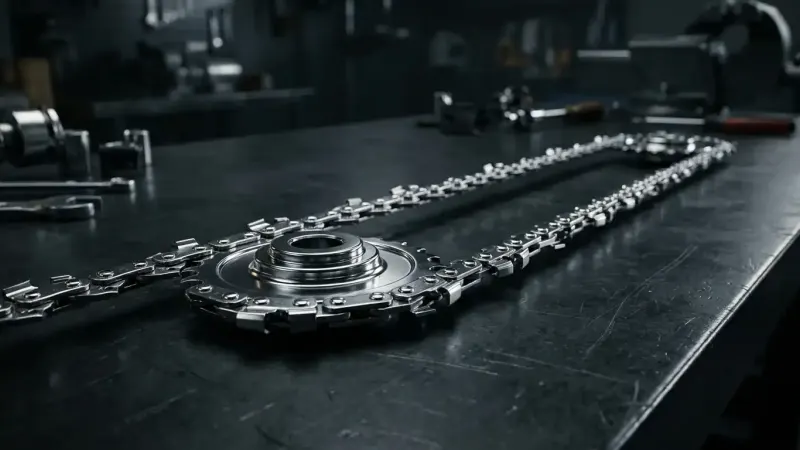
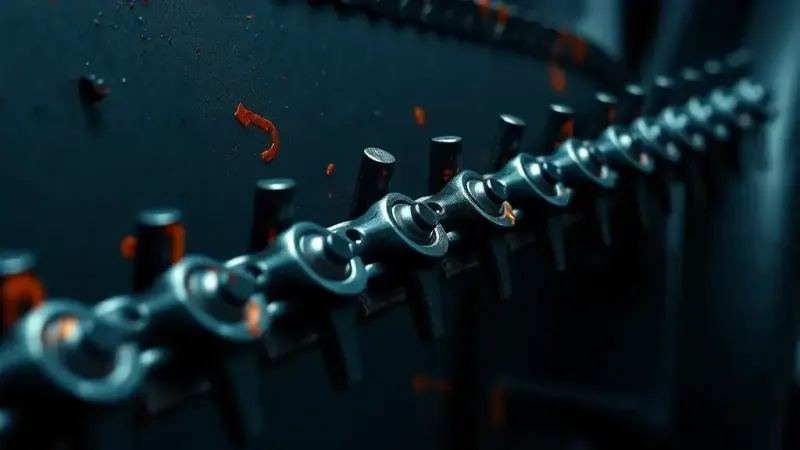
First up is the chainsaw chain, arguably the most visible and dynamic part. This isn’t just a simple loop of metal; it’s a precisely engineered assembly of cutter teeth, drive links, and tie straps. Each type of chain, be it full chisel, semi-chisel, or low-profile, is designed for specific tasks and wood types. Full chisel chains, for instance, offer aggressive, fast cutting for experienced users in clean wood, thanks to their sharp, square-cornered teeth. Semi-chisel chains, with their rounded corners, are more forgiving, stay sharp longer in dirty wood, and are generally preferred by homeowners. Understanding your chain’s pitch, gauge, and drive link count is paramount for selecting the correct replacement. For example, a common homeowner saw like the Stihl MS 170 often uses a 3/8″ low-profile pitch chain with a .043″ gauge, perfect for limbing and light felling.
Supporting the chain is the guide bar. This long, flat piece of steel guides the chain around its perimeter, ensuring smooth, straight cuts. Guide bars come in various lengths, typically ranging from 12 inches for small electric saws up to 36 inches or more for professional felling saws. But length isn’t the only factor; you also have to consider the bar’s construction (laminated for lighter duty, solid for heavy professional use) and its nose type (sprocket nose for reduced friction, hard nose for extreme conditions). A worn guide bar, often indicated by burrs on the rails or discoloration, can cause the chain to bind, increase friction, and dull prematurely. Regularly flipping the bar to ensure even wear is a simple yet effective maintenance tip I always recommend.
Completing this triumvirate is the drive sprocket, hidden beneath the clutch cover. This toothed gear engages with the chain’s drive links, transferring power from the engine to propel the chain. There are two main types: spur sprockets (fixed, common on older or entry-level saws) and rim sprockets (a floating ring that reduces wear and allows for different chain pitches). A worn sprocket, often identifiable by a noticeable “hook” shape on its teeth, will not only damage the drive links of your chain but also cause poor cutting performance and can even lead to chain derailment. It’s a small part, yes, but its integrity is critical. In my experience, replacing the sprocket every two chain replacements or so is a wise practice, preventing cascading issues.
The Powerhouse: Engine and Fuel System Components
Without power, a chainsaw is just a fancy pry bar. The engine and its associated fuel and ignition systems are where the magic truly happens, converting fuel into the brute force needed to drive the cutting components. These are complex chainsaw parts that require careful attention for consistent performance.
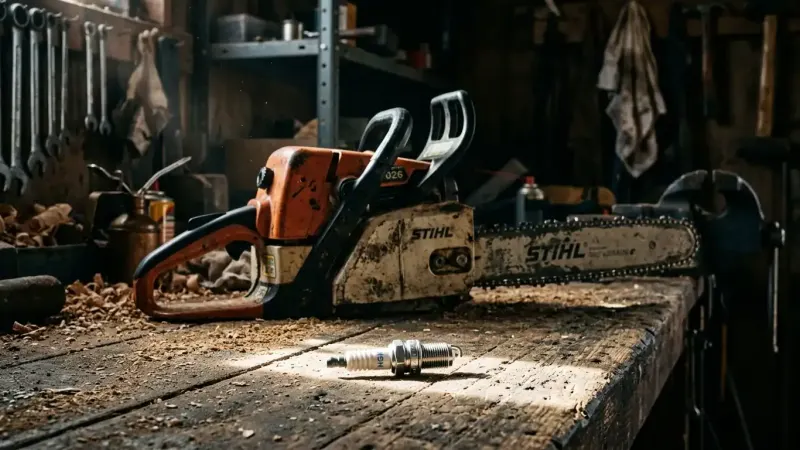
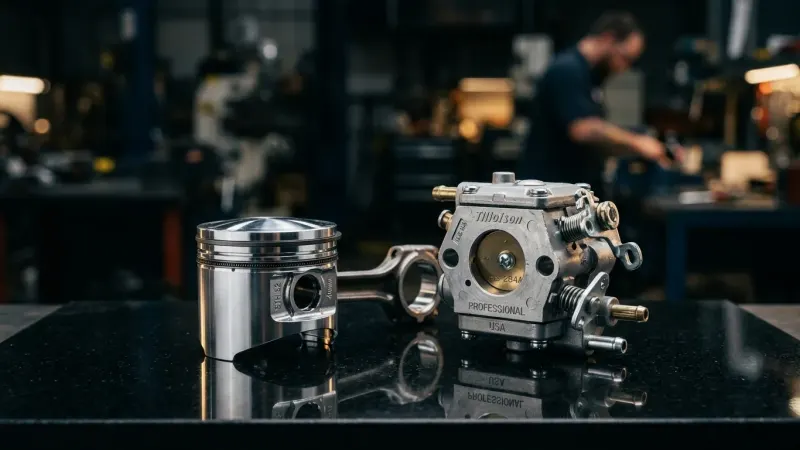
The core of a gas chainsaw is its two-stroke chainsaw engine, a marvel of compact power. Inside, you’ll find the piston, cylinder, crankshaft, and connecting rod, all working together to generate rapid combustion. Unlike a car engine, two-stroke engines mix oil directly with fuel for lubrication, which means the right fuel mixture is non-negotiable. Using improper fuel, particularly fuel with ethanol, can severely damage crucial internal components like the carburetor diaphragms and fuel lines, a topic we’ve covered extensively on Best Professional Chainsaw. The spark plug ignites this fuel-air mixture, and a healthy spark plug, free of carbon buildup, is essential for reliable starting and smooth running. Checking and cleaning or replacing your spark plug annually is a simple task that yields significant returns.
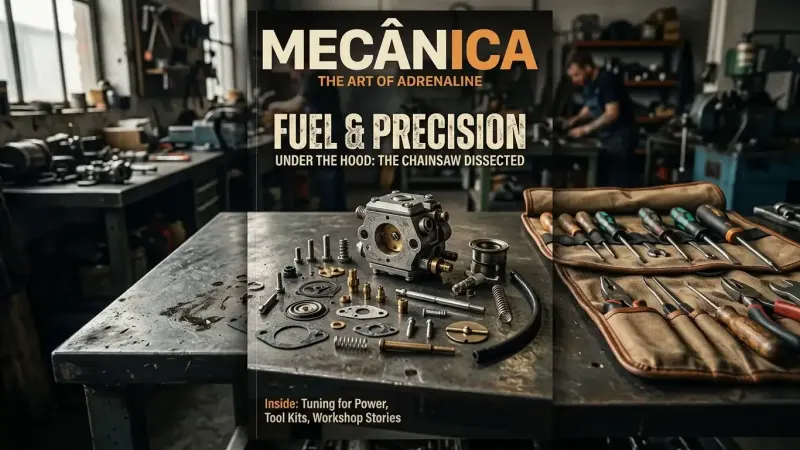
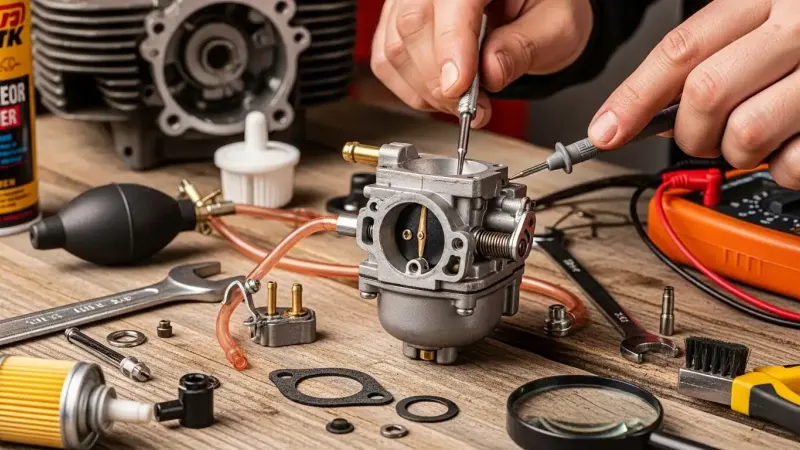
Fuel management is handled by the carburetor, a finely tuned device that mixes air and fuel in precise proportions before it enters the engine. A clean, properly adjusted carburetor ensures optimal combustion, maximizing power output and fuel efficiency. However, carburetors are susceptible to clogging from stale fuel deposits or debris. Symptoms like hard starting, rough idling, or lack of power often point to carburetor issues. While some basic adjustments can be made, a full rebuild or professional cleaning might be necessary for more stubborn problems. It’s a delicate part, and I’d advise caution if you’re not experienced with small engine repair.
The fuel system itself comprises the fuel tank, fuel lines, and the fuel filter. The fuel filter prevents contaminants from reaching the carburetor, protecting it from blockages. These filters are small, inexpensive, but absolutely vital. A clogged fuel filter will restrict fuel flow, leading to performance issues similar to a dirty carburetor. Changing the fuel filter annually, especially if you use your saw frequently, is a small investment that prevents big headaches. Additionally, inspecting fuel lines for cracks or leaks is part of responsible maintenance, as even small leaks can compromise performance and pose a fire hazard. Don’t forget the air filter either; a clean air filter is critical for optimal engine performance, preventing dust and debris from entering the combustion chamber.
Safety & Control: Protecting You and Your Machine
Chainsaws are powerful tools, and with power comes responsibility – especially regarding safety. Modern chainsaws are equipped with several critical chainsaw parts specifically designed to protect the operator and prevent accidents. Understanding their function isn’t just good practice; it’s non-negotiable for safe operation. What good is a powerful saw if you can’t use it without undue risk?
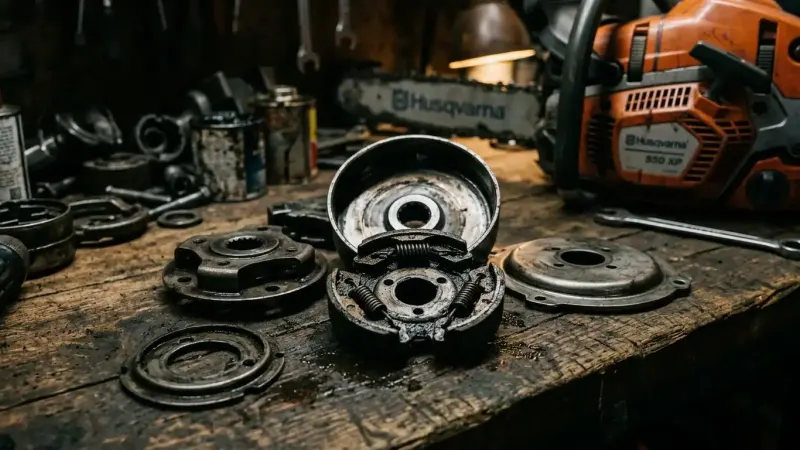
The most important safety feature, in my opinion, is the chain brake. This mechanism, typically activated by either inertia (during a kickback event) or manually by pushing the front handguard forward, instantly stops the chain’s rotation. A functional chain brake is your primary defense against kickback injuries, which can be devastating. Always test your chain brake before each use by engaging it and revving the engine slightly to ensure the chain stops immediately. Imagine this situation: you’re limbing a branch, and the tip of your guide bar unexpectedly contacts another piece of wood, causing the saw to violently kick back towards you. If your chain brake isn’t working, that spinning chain is coming straight for your face or arm. This single component is a testament to vital engineering.
Complementing the chain brake is the front hand guard, a sturdy barrier between your forward hand and the spinning chain. This guard, often integrated with the chain brake lever, prevents your hand from slipping onto the chain during operation or kickback. On the rear handle, you’ll find the throttle lock or safety trigger. This mechanism prevents accidental acceleration by requiring you to depress it simultaneously with the throttle trigger. It’s a simple feature, but it ensures that the saw only revs when you consciously intend for it to do so.
Modern chainsaws also incorporate anti-vibration systems. These aren’t strictly safety features in the immediate sense, but they protect you from long-term health issues like Hand-Arm Vibration Syndrome (HAVS). These systems use springs or rubber buffers to isolate the engine from the handles, significantly reducing the amount of vibration transferred to the user. This makes for a more comfortable operating experience and allows for longer working sessions without excessive fatigue. When considering a saw, especially for extended use, the effectiveness of its anti-vibration system should certainly factor into your decision.
Housing, Ergonomics, and Starting Mechanisms
Beyond the core functional and safety components, there are several other critical chainsaw parts that contribute to the saw’s durability, ease of use, and overall reliability. These are the parts you often interact with directly, from starting the saw to simply holding it.
The crankcase forms the structural backbone of the chainsaw, housing the engine’s crankshaft and often serving as the mounting point for the guide bar and various other components. Professional-grade saws often feature magnesium alloy crankcases for superior strength and heat dissipation, while homeowner models might use durable plastics. The robustness of the crankcase influences the saw’s longevity and its ability to withstand demanding work. Attached to this are the handles – the front handle, typically wrapped around the top for two-handed control, and the rear handle, where the throttle trigger and throttle lock are located. The ergonomic design of these handles, including their grip and balance, significantly impacts user comfort and control, directly affecting safety and reducing operator fatigue.
Starting the saw is facilitated by the recoil starter assembly. This includes the starter rope, handle, and the recoil spring mechanism. When you pull the starter rope, it spins the engine’s flywheel, initiating the combustion cycle. A common issue here is a broken starter rope or a faulty recoil spring, both of which can prevent the saw from starting. It’s a relatively simple repair, but a non-functional starter will obviously halt all operations. Similarly, the choke lever and primer bulb (on many models) assist in cold starts by enriching the fuel mixture or priming the carburetor with fuel, respectively. These small, often overlooked components are crucial for reliable ignition, especially after periods of disuse.
Another essential but often ignored part is the muffler. The muffler reduces engine noise and directs exhaust gases away from the operator. However, it also plays a role in engine performance by creating back pressure. A clogged muffler, often from carbon buildup, can restrict exhaust flow, leading to reduced power and overheating. Regular inspection and cleaning of the muffler’s spark arrestor screen are good practices to maintain optimal performance and prevent potential fire hazards.
| Chainsaw Part Category | Key Components | Primary Function | Maintenance Tip |
|---|---|---|---|
| Cutting System | Chainsaw chain, Guide bar, Drive sprocket | Directly cuts wood, guides chain, transfers power | Sharpen chain regularly, flip/clean guide bar, inspect sprocket for wear |
| Power System | Engine, Carburetor, Spark plug, Fuel filter, Air filter, Muffler | Generates and delivers power, manages fuel/air mix, exhausts gases | Use correct fuel mix, clean/replace spark plug, change filters, check muffler |
| Safety & Control | Chain brake, Hand guards, Throttle lock | Protects operator, prevents accidental engagement | Test chain brake before each use, ensure guards are intact |
| Housing & Starting | Crankcase, Handles, Recoil starter | Structural support, user interface, engine ignition | Inspect for damage, ensure starter rope is intact and lubricated |
What to Watch Out For: Signs of Trouble
Being able to identify potential issues early is a hallmark of an experienced chainsaw operator. Many problems manifest with subtle signs before they become major breakdowns. Paying attention to these cues can save you time, money, and prevent hazardous situations. Here’s what I always advise my clients to look for:
- Reduced Cutting Performance: If your saw struggles to cut through wood that it previously handled with ease, or if it produces sawdust instead of crisp wood chips, your chainsaw chain is likely dull or improperly sharpened. It could also indicate a worn guide bar or drive sprocket.
- Smoke or Burning Smell: This is a red flag. It often indicates insufficient bar oil, causing excessive friction between the chain and guide bar, or that the chain is too tight. Always check your bar oil reservoir and chain tension immediately.
- Excessive Vibration: While all chainsaws vibrate, a sudden increase in vibration can signal loose components, a bent guide bar, or an unbalanced engine. This isn’t just uncomfortable; it’s a safety concern.
- Difficulty Starting or Idling: Hard starting, needing multiple pulls, or a saw that won’t hold an idle often points to problems with the carburetor, spark plug, air filter, or fuel filter.
- Leaking Fluids: Any visible leaks of fuel or bar oil need immediate attention. Fuel leaks are a fire hazard, and bar oil leaks mean your cutting system isn’t getting adequate lubrication.
- Damaged Chain Brake or Hand Guards: If these critical safety features are cracked, broken, or not functioning correctly, do NOT use the saw. They are non-negotiable for safe operation.
Common Mistakes to Avoid with Chainsaw Parts
Even seasoned users can sometimes fall into common pitfalls regarding chainsaw part maintenance and replacement. Avoiding these mistakes will significantly extend the life of your saw and ensure safe operation.
1. Ignoring Regular Chain Sharpening
This is probably the most common mistake I encounter. People often push a dull chainsaw chain far past its prime. A dull chain doesn’t cut; it tears, generating excessive heat, wearing out the engine and guide bar faster, and increasing the risk of kickback. It also makes you work harder, leading to fatigue. Make sharpening a routine part of your cutting session, or have multiple sharp chains on hand for quick swaps.
2. Neglecting Bar Oil and Chain Tension
Running out of bar oil or having an improperly tensioned chain can quickly destroy your guide bar and chain. Too loose, and the chain can derail, causing damage and potential injury. Too tight, and it causes excessive friction, heat, and wear on the bar, chain, and drive sprocket. Always check bar oil levels and chain tension before each use, and frequently during extended cutting sessions.
3. Using Stale or Incorrect Fuel Mixtures
The chainsaw engine is a two-stroke engine, requiring a precise mixture of gasoline and two-stroke oil. Using old fuel, ethanol-heavy fuel, or an incorrect oil-to-gas ratio can quickly gum up the carburetor, damage internal engine components, and lead to poor performance or complete engine failure. Always use fresh, ethanol-free gasoline mixed with high-quality two-stroke oil at the manufacturer’s recommended ratio.
4. Skipping Air and Fuel Filter Replacement
The air filter and fuel filter are inexpensive components, but their neglect can lead to expensive repairs. A clogged air filter starves the engine of air, causing it to run rich, lose power, and potentially overheat. A clogged fuel filter restricts fuel flow, leading to hard starting and inconsistent performance. Change these filters regularly, especially if you work in dusty conditions.
5. Ignoring Minor Damage or Wear
It’s easy to overlook a small burr on the guide bar or a slightly worn drive sprocket. However, these minor issues can quickly escalate into larger problems, affecting cutting efficiency and potentially leading to more significant component failures. Perform a thorough visual inspection of your saw’s chainsaw parts before and after each use.
Frequently Asked Questions
What are the main chainsaw parts?
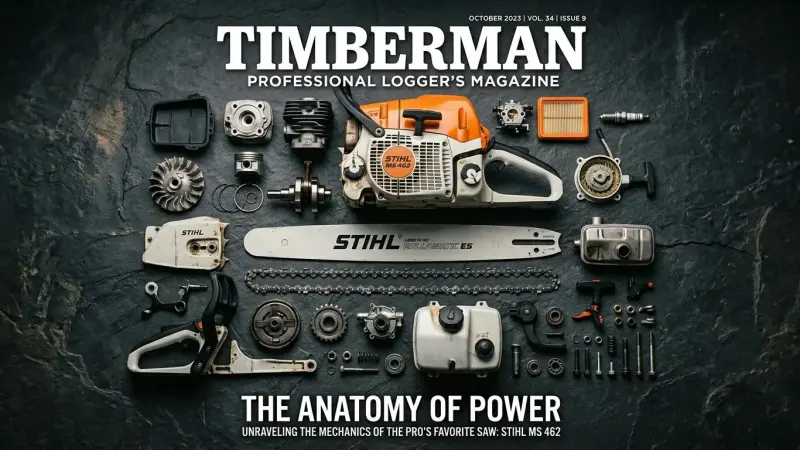
The main chainsaw parts include the engine, guide bar, chain, drive sprocket, chain brake, air filter, fuel filter, carburetor, and recoil starter. Each plays a crucial role in the saw’s operation and safety.
How often should I replace my chainsaw chain?
A chainsaw chain should be replaced when its cutters are too small to sharpen, if it has major damage like bent drive links, or if it stretches excessively and no longer holds tension. Regularly inspect for wear and tear.
Why is bar oil so important?
Bar oil is vital for lubricating the chainsaw chain and guide bar, reducing friction and heat generated during cutting. Without it, the chain and bar would quickly wear out, overheat, and seize, causing significant damage.
Can I use regular car fuel in my chainsaw?
No, you should never use regular car fuel, especially high-ethanol blends, in a gas chainsaw. Chainsaws require a specific two-stroke fuel mix, typically ethanol-free gasoline blended with two-stroke oil at a precise ratio, to protect the engine and fuel system components.
Mastering your chainsaw starts with truly understanding its components. By knowing what each part does, how to maintain it, and what signs of wear to look for, you transform from a mere operator into a knowledgeable craftsman. This holistic approach not only ensures safer working conditions but also significantly prolongs the life and performance of your valuable equipment. Take the time to learn, inspect, and maintain these chainsaw parts, and your saw will serve you reliably for years to come.