Working with a pole saw offers an undeniable advantage when tackling overgrown branches or performing routine tree maintenance: it allows you to reach high limbs from the safety of the ground. This extended reach eliminates the perilous need for ladders, a common source of accidents in yard work. However, the very feature that makes pole saws so indispensable – their extended reach – also introduces a unique set of safety challenges that demand your utmost attention. It's not just a chainsaw on a stick; it’s a specialized tool requiring specialized safety protocols.
As an experienced outdoor power equipment specialist, I've seen firsthand the benefits and the potential pitfalls of these tools. My goal here is to equip you with the knowledge to wield your pole saw effectively and, most importantly, safely. Because, honestly, no pristine canopy is worth a trip to the emergency room.
Understanding the Unique Risks of Pole Saws
While a standard chainsaw demands respect, a pole saw adds layers of complexity that often get underestimated. The fundamental difference lies in the operator's distance from the cutting head. This distance, while keeping you off a ladder, compromises your direct control and immediate feedback from the cut. Imagine trying to thread a needle with a very long stick – it requires precision, patience, and an acute awareness of your movements. Similarly, with a pole saw, the cutting head is often several feet away, making it challenging to gauge the exact angle of cut, the stability of the branch, or the potential for binding.
One of the most significant dangers is the increased leverage. A pole saw, especially when fully extended, acts as a long lever. Any sudden force, such as a branch binding the chain or unexpected kickback, can swing the tool with considerable momentum. This uncontrolled movement can easily lead to loss of balance, contact with the cutting chain, or striking nearby objects or people. Moreover, the weight distribution shifts dramatically when the pole is extended, making the saw feel much heavier and unwieldy than its actual weight. This can cause operator fatigue quickly, increasing the risk of mistakes.
Then there's the inevitable overhead work. When you're cutting branches above your head, gravity becomes a critical factor in ways it isn't with ground-level cutting. Branches will fall, and they will follow the path of least resistance. Predicting this path accurately and ensuring your fall zone is clear is paramount. What would you do, for instance, if a cut branch didn't fall cleanly but instead got hung up, creating a "widowmaker" hazard? These are the scenarios we must proactively prepare for, as reactiveness in these situations is often too late.

Essential Pre-Operation Safety Checklist
Before you even think about starting your pole saw, a thorough pre-operation check is non-negotiable. This isn't just about efficiency; it's the bedrock of your personal safety. Skipping steps here is akin to driving a car without checking the tires – you might get away with it for a while, but eventually, you'll encounter trouble.
1. Inspecting Your Pole Saw
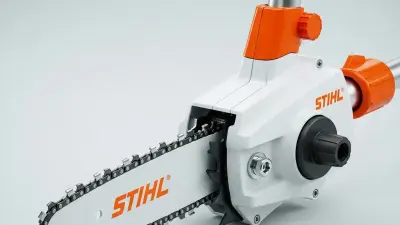
First and foremost, give your tool a meticulous once-over. Is the chain sharp and properly tensioned? A dull chain is not only inefficient, tearing at wood rather than slicing cleanly, but it's also a major safety hazard. It forces you to exert more pressure, increasing the likelihood of kickback or the chain binding. Ensure the chain tension is correct – not too loose that it can derail, and not too tight that it causes excessive wear or overheating. For example, a Stihl HT 103 pole saw, like many professional models, has clear markings and an accessible tensioning screw, making this check straightforward. Always refer to your owner's manual for specific tensioning instructions.
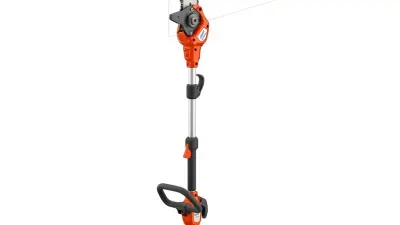
Beyond the chain, check your oil reservoir for ample bar and chain oil. This lubricant is vital for reducing friction and heat, extending chain life, and preventing the chain from seizing in the cut. For gas models, ensure you have fresh, correctly mixed fuel. For electric or battery-powered models, confirm the cord is free of damage or the battery is fully charged and securely seated. Lastly, examine the extension pole itself. Look for cracks, bends, or damage to the locking mechanisms. A pole that collapses unexpectedly during operation can lead to severe injuries. These structural checks are crucial, as a compromised pole significantly reduces your control over the cutting head.
2. Assessing Your Work Area
This step might be the most critical of all, and honestly, it’s where I see the most oversights. Before any cutting begins, survey your entire work environment. Identify potential hazards: power lines, fences, structures, driveways, and most importantly, people or pets. Establish a clear fall zone for branches – a safety perimeter that extends at least twice the length of the longest branch you intend to cut. This zone must be completely clear of anything or anyone that could be struck by falling debris. Do you have a clear escape route if a branch falls unpredictably?
Power lines deserve special mention. They are an invisible, often deadly, threat. Maintain a minimum distance of at least 10 feet from all utility lines, including communication cables. If a branch is anywhere near a power line, *do not attempt to cut it yourself*. Contact your local utility company or a professional arborist immediately. No amount of DIY savings is worth electrocution. Seriously, this isn't a recommendation; it's an absolute mandate for your survival. Even if you think a line is insulated, it might not be, or the insulation could be compromised. Treat all lines as live.
3. Personal Protective Equipment (PPE)
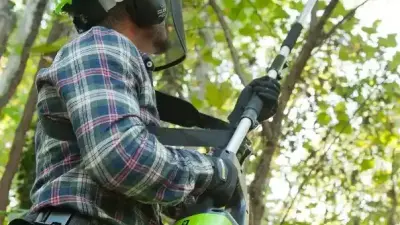
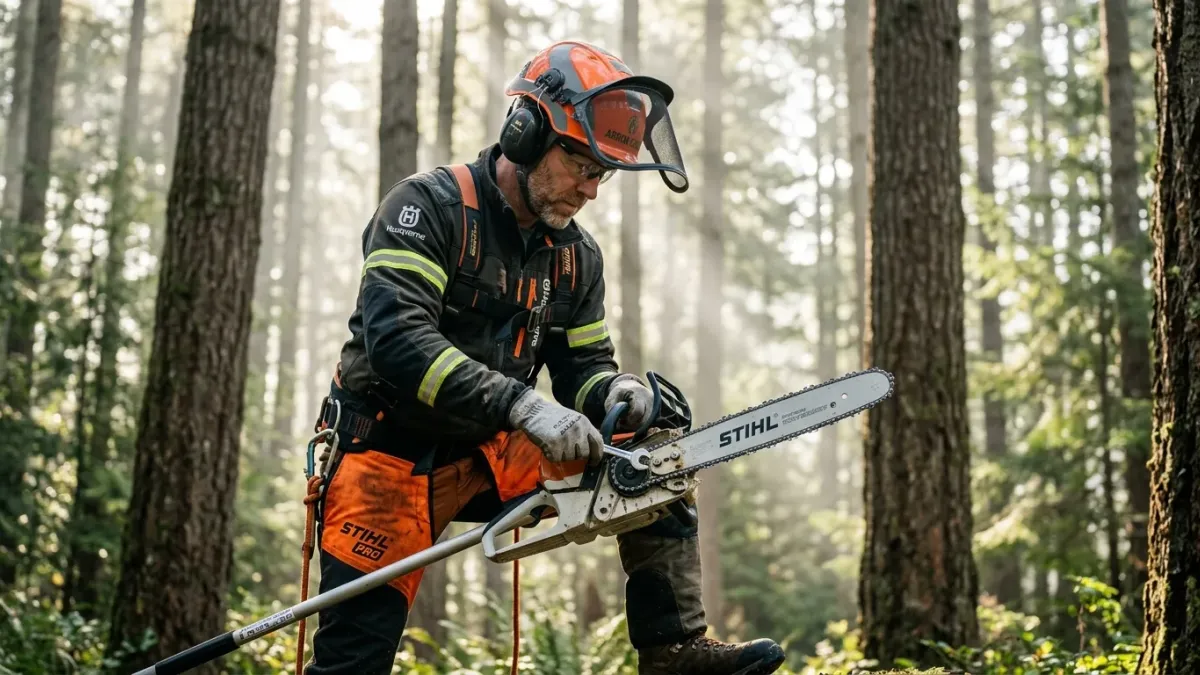
Your body is not designed to withstand the forces of a Chainsaw Chain or falling branches. Therefore, appropriate chainsaw safety gear is not optional; it’s mandatory. Here's what you need:
- Helmet with Face Shield: Protects your head from falling debris and your face from chips and sawdust. Many models, like those from Husqvarna or Stihl, integrate hearing protection directly.
- Eye Protection: Even with a face shield, safety glasses or goggles are an essential backup, preventing small particles from reaching your eyes.
- hearing protection: Pole saws, especially gas models, are loud. Earplugs or earmuffs protect your hearing from permanent damage.
- Heavy-Duty Gloves: Provide a firm grip, reduce vibration, and protect your hands from cuts and abrasions.
- Long-Sleeved Shirt and Trousers: Made of durable material to protect your skin.
- Chainsaw Safety Chaps or Pants: While kickback with a pole saw is less common directly into the legs than with a standard chainsaw, falling branches or accidental contact can still occur. Chaps offer crucial protection, especially for gas or larger electric models.
- Steel-Toed Boots: Protect your feet from falling branches and the saw itself.
My personal perspective is that if you're not fully geared up, you're not ready to cut. It's a small investment for your long-term health and safety.
Safe Operating Techniques for Pole Saws
Once your equipment is checked and your PPE is on, it’s time to focus on the execution. Proper technique dramatically reduces the risk of accidents and improves your cutting efficiency.
1. Proper Stance and Grip
Maintain a balanced, stable stance with your feet shoulder-width apart, ensuring good footing on firm, level ground. Hold the pole saw firmly with both hands, one hand on the main handle, and the other on the extension pole. Keep your arms slightly bent, ready to absorb any sudden movements. Never overreach or cut from an unstable position. Your body should be out of the direct line of the falling branch and the path of the pole saw if it were to kick back or swing unexpectedly. Remember, the further extended the pole, the more cumbersome the tool becomes, so always aim for the shortest effective extension.
2. Cutting Strategy: The "Three-Cut" Method and Branch Weight
For branches larger than your wrist, always employ the three-cut method to prevent bark stripping (or "bark tear") and uncontrolled drops:
- Undercut (First Cut): About 6-12 inches out from the final cut location on the main trunk or branch, make a shallow cut (about 1/3 of the way through the branch) on the underside. This prevents the branch from tearing bark down the tree as it falls.
- Top Cut (Second Cut): About 1-2 inches further out from your undercut (away from the trunk), cut completely through the branch from the top. This removes the bulk of the branch's weight. The branch will fall cleanly without stripping the bark.
- Final Cut (Third Cut): Now that the weight is removed, make a clean, flush cut at the branch collar (the swollen area where the branch meets the trunk or larger limb). This promotes proper healing for the tree.
Understanding the weight and leverage of the branch is also key. Small twigs might be fine with a single pass, but larger limbs require careful planning. Think about where the weight will shift once the branch is severed. My advice: always err on the side of caution. If a branch looks heavy or complex, it probably is. If you're unsure, consulting a professional arborist is always the safest bet. They have specialized equipment and experience to handle challenging cuts.
3. Avoiding Power Lines and Obstructions
I cannot stress this enough: power line safety is paramount. If a branch is within 10 feet of a power line, step away from the project and call in the experts. Even "dead" lines can carry residual charges, and a moment of carelessness can cost you your life. Be equally vigilant about other obstructions like buildings, sheds, fences, and utility poles. Remember that branches can bounce or roll unpredictably upon impact. Always identify your fall zones and keep them clear.
4. Managing Falling Branches
Once a cut is made, step back quickly and safely. Have a designated escape route planned before you start cutting. Never stand directly under a branch you are cutting or directly in the line of its fall. Falling branches, even small ones, can cause serious injury or damage. For larger branches, having a spotter can be incredibly helpful – someone to watch the falling limb and alert you to hazards, as long as they also maintain a safe distance and wear appropriate PPE.
5. Maintaining Control and Awareness
Never operate a pole saw with one hand. Always maintain a firm, two-handed grip. Avoid cutting above shoulder height if at all possible, as this significantly reduces your control and increases fatigue. Keep the saw at a comfortable angle, allowing the chain to do the work rather than forcing it. Do not use the tip of the bar for cutting; this is a common cause of kickback, even with pole saws, where the kickback force is amplified by the length of the pole. The nose of the bar contacting wood can propel the saw violently back towards the operator. It's a basic safe pole saw use principle.
To put some perspective on the types of pole saws and their characteristics related to safety and power, consider this table:
| Pole Saw Type | Power Source | Typical Reach (ft) | Weight Consideration | Noise Level | Key Safety Factor |
|---|---|---|---|---|---|
| Cordless Electric | Battery | 8-12 | Light-Moderate | Low | No cord hazard, but battery life dictates work pace. Less powerful, reducing severe kickback potential. |
| Corded Electric | Outlet (Extension Cord) | 6-10 | Light | Moderate | Extension cord safety paramount. Risk of cutting cord, trip hazard. Consistent power. |
| Gas-Powered | Fuel Mix | 8-15+ | Moderate-Heavy | High | Most powerful, higher kickback potential. Requires fuel handling, exhaust fumes. |
Each type has its place, but each also introduces specific safety nuances. For instance, with corded electric models, the management of the extension cord is another critical safety consideration, as tripping or accidentally cutting the cord can lead to serious injury or electrocution.
Common Mistakes and How to Avoid Them
Even with good intentions, mistakes happen. Knowing the most common ones can help you prevent them:
1. Neglecting the Work Area Assessment
The biggest oversight, in my opinion, is not dedicating enough time to thoroughly assess the work environment. People get eager to start cutting. They forget about the fence, the dog's favorite spot, or the hidden power line.
Avoidance: Take 5-10 minutes, even for small jobs, to walk around, look up, look down, and identify every potential hazard. Mark your fall zone clearly.
2. Improper Branch Removal Technique
Too many people try to cut a heavy branch with a single pass, often close to the trunk. This is an invitation for bark stripping, saw binding, or the branch tearing free in an uncontrolled manner.
Avoidance: Always use the three-cut method for any branch of significant size. Start with the undercut, remove the bulk, then make the final trim.
3. Over-Extending and Losing Control
Pushing the pole saw to its absolute maximum reach, or worse, trying to cut branches that are just out of comfortable reach, dramatically reduces control and increases fatigue.
Avoidance: Work within your comfortable reach. If a branch is too high or too heavy for your pole saw, or if you find yourself struggling, it's a sign to call a professional arborist. Sometimes, a task simply isn't a DIY job.
4. Using Dull Equipment or Ignoring Maintenance
A dull chain or a poorly maintained saw is a dangerous saw. It forces you to compensate with brute force, which leads to fatigue, inefficient cutting, and a higher risk of accidents like kickback or binding.
Avoidance: Regularly sharpen your chain, check tension, lubricate the bar, and keep your saw clean. A well-maintained tool is a safe tool.
5. Working Alone Without Communication
While often a solo activity, certain pole saw tasks, especially those involving larger branches or complex cuts, benefit from a spotter or at least someone nearby who knows you're working.
Avoidance: Inform someone about your tree trimming activities. For more complex jobs, have a designated spotter (properly equipped with PPE and clear instructions) to help monitor the fall zone and alert you to dangers.
Post-Operation Care and Maintenance for Safety
Your commitment to safety doesn't end when the cutting stops. Proper post-operation care is a continuation of your pole saw precautions, ensuring the tool is ready and safe for its next use.
First, always ensure the engine is off (or battery removed/unplugged) and the chain has completely stopped before you begin cleaning or inspecting. Clean the entire pole saw, removing sawdust, sap, and debris from the bar, chain, and air filter (for gas models). Inspect the chain for any damage, such as bent or broken teeth, and the guide bar for burrs or excessive wear. Check the pole again for any stress cracks or damage that might have occurred during use.
Lubricate the guide bar sprocket nose, if applicable, and ensure the chain brake is functioning correctly. Store your pole saw in a dry, secure location, preferably with the bar cover in place. This prevents accidental contact with the chain and protects the bar from damage. Good maintenance not only extends the life of your equipment but, more importantly, ensures that when you pick it up next time, it's in optimal, safe working condition. A tool that's cared for properly is far less likely to fail or cause an accident. We at best professional chainsaw always advocate for this holistic approach to equipment ownership.
Frequently Asked Questions
Can I use a pole saw for felling small trees?
No, pole saws are designed for trimming branches, not felling trees. Their extended reach makes accurate felling cuts impossible and highly dangerous, potentially leading to uncontrolled tree falls and serious injury.
How far should I stay from power lines with a pole saw?
You must maintain a minimum clearance of at least 10 feet from all power lines, regardless of whether you believe they are active or insulated. If a branch is closer than this, do not attempt to cut it yourself; contact your utility company or a professional arborist.
What's the best way to clear a jammed pole saw chain?
First, immediately turn off the engine or remove the battery/unplug the saw. Never attempt to clear a jam with the power on. Use a wedge or another tool to gently pry the branch open, relieving pressure on the chain. If the chain is still jammed, carefully remove the guide bar and chain for a complete clear, always wearing heavy-duty gloves.
Ultimately, a pole saw is an incredibly valuable tool for maintaining your property and managing high-reach trimming tasks. However, its effectiveness is directly proportional to your respect for its power and your adherence to rigorous safety protocols. By understanding the unique challenges, performing thorough pre-operation checks, mastering safe techniques, and committing to ongoing maintenance, you transform a potentially hazardous activity into a controlled, productive one. Stay safe out there, and remember, a well-informed operator is always the best defense against accidents.