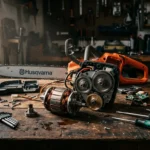
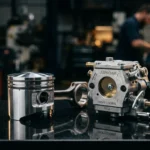

There’s nothing quite as frustrating as gearing up for a productive day of cutting, only to have your electric chainsaw refuse to cooperate. Whether it’s a corded model that won’t power on or a battery saw that sputters to a halt, these machines, while generally reliable, can develop issues. Fortunately, many common electric chainsaw problems aren’t catastrophic and can be resolved with a bit of methodical troubleshooting and some basic tools. As someone who has spent decades working with outdoor power equipment, I can tell you that understanding the basics of your electric chainsaw’s operation is the first step toward becoming your own repair expert.
Table Of Content
- Understanding Your Electric Chainsaw: A Quick Overview
- Diagnosing Common Starting & Power Issues
- Initial Power Supply Checks (Corded Models)
- Battery & Charger Diagnostics (Cordless Models)
- Switch & Safety Brake Issues
- Tackling Chain & Cutting Performance Problems
- Chain Tension & Condition
- Bar & Chain Lubrication
- Dull or Damaged Chain
- Clogged Drive Sprocket or Guide Bar
- Addressing Motor & Overheating Concerns
- Motor Overload Protection
- Blocked Ventilation and Cooling
- Carbon Brushes (Brushed Motors)
- What to Watch Out For: Safety and Limits
- Common Mistakes to Avoid During DIY Troubleshooting
- Frequently Asked Questions
- Why is my electric chainsaw losing power?
- Can I replace electric chainsaw parts myself?
- How often should I clean my electric chainsaw?
Understanding Your Electric Chainsaw: A Quick Overview
Before we dive into specific problems, let’s briefly consider what makes an electric chainsaw tick. Unlike their gas-powered counterparts, electric chainsaws, whether corded electric chainsaws or battery chainsaws, rely on an electric motor to drive the chain. This simplifies things considerably by eliminating fuel systems, carburetors, and complex ignition systems. However, they introduce their own set of potential failure points related to electrical supply, motor integrity, and basic mechanical chain operation.
Corded models depend on a continuous, stable power supply from your outlet via an extension cord. Any interruption or fault in this pathway will immediately bring your saw to a standstill. Battery models, on the other hand, draw power from a portable battery pack, introducing factors like charge level, battery health, and charger functionality into the equation. Both types share the fundamental mechanics of a drive sprocket, chain, and guide bar, which must all work in harmony for effective cutting. Honestly, once you grasp these fundamental differences and commonalities, diagnosing issues becomes far more intuitive.
I always recommend familiarizing yourself with your specific model’s manual. It contains invaluable diagrams and troubleshooting charts that are often overlooked. For instance, a Greenworks 40V battery chainsaw might have slightly different diagnostic indicators than a corded Worx WG303.1, but the underlying principles for a dull chain or a clogged bar groove remain universal. Let me add something here: don’t underestimate the power of a good manual; it’s your first line of defense against most minor issues.
Diagnosing Common Starting & Power Issues
When your electric chainsaw is not starting or suddenly loses power, the problem often lies in the power supply or the saw’s safety mechanisms. This is usually the first thing I check when a customer brings in a “dead” electric saw. It’s often something remarkably simple, but frustrating if you don’t know where to look.
Initial Power Supply Checks (Corded Models)
For corded saws, the power path is critical. Start by inspecting the entire length of your extension cord for any cuts, frays, or damage. A compromised cord can prevent power from reaching the saw or, worse, pose a serious electrical hazard. Ensure the cord’s gauge is appropriate for your chainsaw’s power demands and length to avoid voltage drop, which can manifest as low power or overheating. A 12-gauge cord is often recommended for longer runs or higher-amp saws (e.g., 15-amp models), while a 14-gauge might suffice for shorter distances and lower-amp saws (e.g., 12-amp models). Next, verify that the outlet itself is live by plugging in another appliance. Sometimes, a tripped GFCI outlet or a blown fuse in your breaker box is the culprit. Honestly, I’ve seen countless homeowners replace entire saws only to find out it was a simple tripped breaker.
Battery & Charger Diagnostics (Cordless Models)
If you’re using a cordless electric chainsaw, the battery and charger are your primary suspects. First, ensure the battery is fully charged. Check the battery’s charge indicator, if available. If it’s not charging, inspect the battery charger for any signs of damage and ensure it’s plugged into a live outlet. Sometimes, the battery itself can be faulty, especially if it’s old or has been improperly stored (e.g., left fully discharged for extended periods). A healthy battery should charge consistently and hold its charge. If you have multiple batteries, try a different one to rule out a bad battery. For instance, if your DeWalt 20V MAX won’t power up, try a fully charged battery from another compatible DeWalt tool.
Switch & Safety Brake Issues
Many electric chainsaws are equipped with safety features that, if engaged, will prevent the saw from starting. The chain brake is the most common culprit. Make sure the chain brake lever is fully disengaged (pulled back towards the handle) before attempting to start the saw. Some saws also have a trigger lockout button or switch that must be pressed simultaneously with the trigger. If these mechanisms are sticky or malfunctioning, they can prevent activation. On some older or heavily used models, the power switch itself can fail. This is harder to diagnose without a multimeter, but if you’ve ruled out everything else, a faulty switch might be the problem.
Tackling Chain & Cutting Performance Problems
Once your saw powers on, the next set of common electric chainsaw problems often relate to the chain and its ability to cut effectively. A chainsaw that runs but doesn’t cut, or cuts poorly, is just a noisy paperweight.
Chain Tension & Condition
Proper chain tension is paramount. A chain that is too loose can derail, which is incredibly dangerous, or simply not cut efficiently. A chain that is too tight can strain the motor, accelerate wear on the bar and sprocket, and also prevent the motor from reaching full speed. As a general rule, the chain should be snug against the guide bar but still allow you to pull it around the bar by hand without excessive force. The drive links should not come out of the guide bar groove. Check your manual for specific tensioning instructions for your model, as methods can vary from tool-less adjusters to standard nuts and screws. I’ve found that many intermittent cutting problems are simply due to improper tension after a chain replacement.
Bar & Chain Lubrication
Insufficient bar and chain oil is a leading cause of poor cutting performance and accelerated wear. Without proper lubrication, the chain generates excessive friction and heat, which can dull the chain rapidly, damage the guide bar, and even cause the chain to bind. Ensure your saw’s oil reservoir is full and that the oiler is functioning. Most electric saws have an automatic oiler. You can test this by running the saw over a piece of cardboard or a light-colored surface; a fine line of oil should be visible after a few seconds. If not, the oil port might be clogged with sawdust or debris, or the oil pump itself could be faulty. Cleaning the bar groove and oil holes is a routine maintenance task that often solves this issue.
Dull or Damaged Chain
This might seem obvious, but a dull chainsaw chain is one of the most frequent causes of poor cutting performance. A sharp chain should pull itself into the wood. A dull chain will require you to push the saw, create fine sawdust instead of chips, and produce excessive heat. Inspect the cutting teeth for dullness, nicks, or damage. If they’re rounded or chipped, it’s time for sharpening or replacement. Similarly, check the depth gauges (rakers); if they’re too high, the chain won’t cut effectively, even if the teeth are sharp. A professional sharpening service or a proper file kit can remedy this quickly. Trust me, a sharp chain makes all the difference in user experience and safety.
Clogged Drive Sprocket or Guide Bar
Sawdust and wood chips can accumulate around the drive sprocket and within the guide bar’s grooves, especially if the oiler is not working correctly or if cutting particularly sappy wood. This buildup can impede the chain’s free movement, leading to binding, overheating, and reduced cutting efficiency. Remove the bar and chain regularly for thorough cleaning. Pay special attention to the sprocket area, the guide bar groove, and the oil delivery holes. A simple brush or compressed air can often clear these obstructions. For example, imagine this situation: you’re cutting through some tough oak, and suddenly your saw feels sluggish, producing smoke. Chances are, a buildup of fine sawdust has jammed the bar groove, preventing proper lubrication and free chain movement. A quick clean-out often resolves it entirely.
Addressing Motor & Overheating Concerns
If your saw powers on, and the chain and lubrication seem fine, but the motor is struggling, making unusual noises, or overheating, the problem likely lies deeper within the motor assembly.
Motor Overload Protection
Many modern electric chainsaws, particularly cordless models, have built-in overload protection. This safety feature automatically shuts down the motor if it detects excessive strain, preventing damage. This often happens if you’re pushing the saw too hard, trying to cut material beyond its capacity, or if the chain is severely dull or bound. If your saw stops abruptly with no obvious cause, let it cool down for a few minutes, check the chain and bar for binding, and then try again. If it keeps tripping, you might be overworking the saw or have a persistent mechanical issue requiring attention.
Blocked Ventilation and Cooling
Electric motors generate heat during operation, and they rely on cooling fans and clear ventilation ports to dissipate this heat. If these ventilation ports become clogged with sawdust, debris, or sap, the motor can quickly overheat, leading to performance issues, premature wear, and even permanent damage. Regularly inspect and clean the motor’s air intake and exhaust vents. A blast of compressed air can be very effective. Overheating isn’t just a nuisance; it significantly reduces the lifespan of the motor components. Based on my experience, neglecting ventilation is a common oversight that leads to costly repairs.
Carbon Brushes (Brushed Motors)
If your electric chainsaw uses a brushed motor (many older or entry-level models do, while newer ones are often brushless), the carbon brushes are wear items. Over time, these brushes wear down, losing contact with the motor’s commutator, which can lead to intermittent power, reduced performance, excessive sparking, or complete motor failure. Many saws have external brush caps, allowing for relatively easy inspection and replacement. If your motor is sputtering or sparking visibly, worn brushes are a strong suspect. This is a DIY-friendly repair that can breathe new life into an otherwise struggling saw.
What to Watch Out For: Safety and Limits
While DIY troubleshooting can save you time and money, it’s crucial to know when to stop and seek professional help. Your safety is paramount. Always disconnect the power source (unplug corded saws, remove batteries from cordless ones) before performing any inspection or maintenance. Wear appropriate safety gear, including gloves and eye protection.
Do not attempt repairs involving internal electrical components unless you are competent and comfortable working with electricity. Issues like a damaged armature or field coil, or a faulty internal wiring harness, are best left to qualified service technicians. Tampering with these components without proper knowledge can result in electric shock or further damage to the tool. Remember, a chainsaw is a powerful and potentially dangerous tool, even when it’s not working correctly. If you’re unsure, it’s always better to consult an expert at a reputable service center.
Common Mistakes to Avoid During DIY Troubleshooting
In my years of service, I’ve observed several recurring errors that homeowners make when attempting to fix their electric chainsaws. Avoiding these can save you frustration and potential harm.
- Ignoring the Manual: Every chainsaw has specific requirements for tensioning, oiling, and part replacement. Your owner’s manual is your best friend.
- Forcing It: If something feels stuck or doesn’t easily come apart, don’t force it. You might strip screws, break plastic components, or damage delicate internal parts.
- Using the Wrong Oil: Not all oils are created equal. Always use dedicated bar and chain oil. Motor oil or used engine oil is too thin and lacks the necessary tackiness and lubrication properties, leading to premature wear.
- Neglecting Safety: Always unplug the saw or remove the battery before performing any work. This seems basic, but it’s astonishing how often it’s overlooked in the haste to fix a problem.
- Over-tightening: When reassembling, do not overtighten bolts or screws, especially on plastic housings. This can strip threads or crack components.
- Improper Chain Sharpening: Using the wrong file size or incorrect sharpening angles can actually make a chain cut worse or even create dangerous kickback risks. If in doubt, get it professionally sharpened or invest in a proper sharpening kit and learn the technique correctly.
Here’s a quick summary table of common issues and their primary solutions:
| Problem Symptom | Likely Cause | DIY Solution | When to Seek Pro Help |
|---|---|---|---|
| Saw won’t start (Corded) | No power to outlet, damaged cord, tripped breaker, faulty switch. | Check outlet, cord, breaker. Disengage safety brake. | Internal wiring issues, switch replacement beyond comfort level. |
| Saw won’t start (Cordless) | Dead/faulty battery, charger issue, engaged safety brake. | Charge battery, inspect charger, try different battery. Disengage brake. | Battery won’t hold charge, charger indicator malfunction. |
| Motor runs, chain doesn’t move/slips | Incorrect chain tension, worn drive sprocket, clutch issues. | Adjust chain tension. Inspect sprocket for wear. | Clutch mechanism failure (complex internal repair). |
| Saw cuts poorly/slowly | Dull chain, insufficient oil, clogged bar groove, incorrect tension. | Sharpen/replace chain, refill oil, clean bar/sprocket, adjust tension. | Persistent poor cutting after all checks, bar bending/damage. |
| Motor overheats/shuts off | Clogged vents, overworking saw, dull chain, faulty overload protection. | Clean vents, reduce cutting force, sharpen chain, allow to cool. | Frequent overheating, motor smoking, persistent overload trips. |
| Excessive sparking/sputtering (Brushed motors) | Worn carbon brushes, debris in motor. | Inspect/replace carbon brushes (if accessible). | Damage to armature/commutator, internal short. |
Frequently Asked Questions
Why is my electric chainsaw losing power?
Power loss in an electric chainsaw often stems from an inadequate power supply (e.g., too-long/thin extension cord, low battery charge), a dull or improperly tensioned chain that’s overworking the motor, or clogged ventilation reducing motor efficiency. Overheating due to debris in the vents can also cause the motor to struggle or enter protection mode.
Can I replace electric chainsaw parts myself?
Many electric chainsaw parts are user-replaceable, such as the chain, guide bar, carbon brushes (on some models), and even power cords. However, complex internal electrical components like motor armatures or control boards typically require specialized knowledge, tools, and expertise, and are best handled by a professional technician to ensure safety and proper function.
How often should I clean my electric chainsaw?
For optimal performance and longevity, you should clean your electric chainsaw after every use, particularly focusing on clearing sawdust and debris from the chain, guide bar groove, sprocket area, and motor ventilation ports. Regular cleaning prevents buildup that can lead to overheating, poor lubrication, and reduced cutting efficiency.
By systematically approaching these common electric chainsaw problems, you can often save yourself a trip to the repair shop and get back to your cutting tasks sooner. Most issues boil down to simple maintenance oversights or easily replaceable wear parts. Empower yourself with this knowledge, and you’ll find that maintaining your outdoor power equipment, especially your electric chainsaw, is a manageable and rewarding endeavor. Always remember to prioritize safety above all else, and don’t hesitate to seek professional assistance when a problem extends beyond your comfort or skill level. A well-maintained chainsaw is a safe and efficient tool, ready for whatever work you throw its way.