


When you invest in a chainsaw, you’re not just buying a tool; you’re acquiring a partner for your property maintenance, firewood processing, or even professional tree work. The last thing anyone wants is a saw that constantly breaks down, leaving you frustrated and your projects unfinished. So, what truly defines a durable chainsaw, and how do we distinguish between a short-lived performer and a true workhorse built to endure years of demanding tasks? It’s more than just a sturdy exterior; it’s about the entire package, from the engine’s core to the anti-vibration springs.
Table Of Content
- Beyond the Engine Block: Key Durability Factors
- The Role of Materials and Manufacturing Quality
- The Contenders for 2026: Brands Proven by Real-World Use
- Stihl: The Benchmark for Professional Reliability
- Husqvarna: Balancing Power and Enduring Performance
- Echo: The Underdog with Unmatched Value and Stamina
- Beyond the Brand: Maximizing Your Chainsaw’s Lifespan
- The Golden Rules of Chainsaw Maintenance
- Fuel, Oil, and Air: Your Saw’s Lifeblood
- Proper Storage and Pre-Use Checks
- Making Your Decision: How to Choose a Durable Chainsaw in 2026
- Assessing Your Needs: Homeowner, Landowner, or Pro?
- Reading Between the Lines: User Reviews and Warranties
- The Real Cost of Durability: Investment vs. Expense
Durability in a chainsaw boils down to consistent, reliable performance over an extended period, even under harsh operating conditions. It means the saw starts predictably, runs smoothly, and maintains its power output without frequent, unexpected failures. This isn’t merely about surviving drops or impacts, although a robust chassis certainly helps; it’s primarily about the internal components resisting wear and tear, handling heat, vibration, and debris without succumbing to premature failure. A durable saw reduces downtime, repair costs, and the sheer headache of dealing with unreliable equipment.
Beyond the Engine Block: Key Durability Factors
While the engine is undoubtedly the heart of any chainsaw, its longevity is heavily influenced by a symphony of other components. Consider the quality of the crankshaft, connecting rod, and piston rings – these parts endure immense forces and temperatures. A high-quality engine will typically feature forged steel components and expertly machined cylinders, often with chrome plating, to resist wear and maintain compression. However, a strong engine alone won’t guarantee durability if other systems are weak. For instance, a robust air filtration system is paramount; it prevents fine sawdust and debris from entering the carburetor and engine, which can rapidly degrade performance and lifespan.
Equally critical are the clutch and sprocket, which transmit power to the chain. These components are subjected to constant friction and impact. High-quality designs will use durable materials and allow for easy inspection and replacement when wear does occur. Furthermore, the anti-vibration system, often consisting of heavy-duty springs or rubber dampeners, not only improves user comfort but also protects the saw’s internal electronics and components from the constant pounding of engine operation. Even the quality of the bar and chain, while consumable, can speak volumes about a brand’s commitment to overall durability; a premium bar with a robust nose sprocket and a high-grade chain reduces strain on the engine and clutch.
The Role of Materials and Manufacturing Quality
The choice of materials and the precision of manufacturing processes play an enormous role in a chainsaw’s inherent durability. Professional-grade chainsaws, for example, often utilize magnesium alloy crankcases instead of plastic, offering superior heat dissipation and structural rigidity. This choice significantly reduces flex and wear on internal engine components, especially during prolonged, heavy use. Similarly, the quality of fasteners, seals, and wiring looms might seem minor, but they contribute substantially to the saw’s ability to withstand vibration, moisture, and temperature fluctuations over time.
Think about the difference between a mass-produced, low-cost tool and a meticulously engineered machine. Brands renowned for durability invest heavily in research and development, stringent quality control, and advanced manufacturing techniques. This attention to detail ensures tighter tolerances, better component fit, and ultimately, a more reliable and longer-lasting product. It’s this commitment to engineering excellence that transforms raw materials into a chainsaw capable of years of hard work, rather than just a season or two.
The Contenders for 2026: Brands Proven by Real-World Use
When we talk about chainsaw durability, a few names consistently rise to the top, year after year, backed by legions of loyal users who put these machines through their paces daily. These aren’t just brands that look good on paper; they are the saws you see in the hands of professional loggers, arborists, and serious landowners who demand unwavering reliability. Their reputation isn’t built on marketing hype but on countless hours of real-world cutting, often in challenging conditions. Let’s explore the brands that continue to set the standard for longevity as we look towards 2026.
Stihl: The Benchmark for Professional Reliability
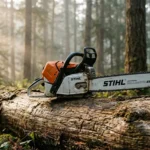
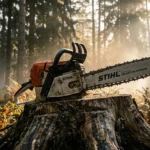
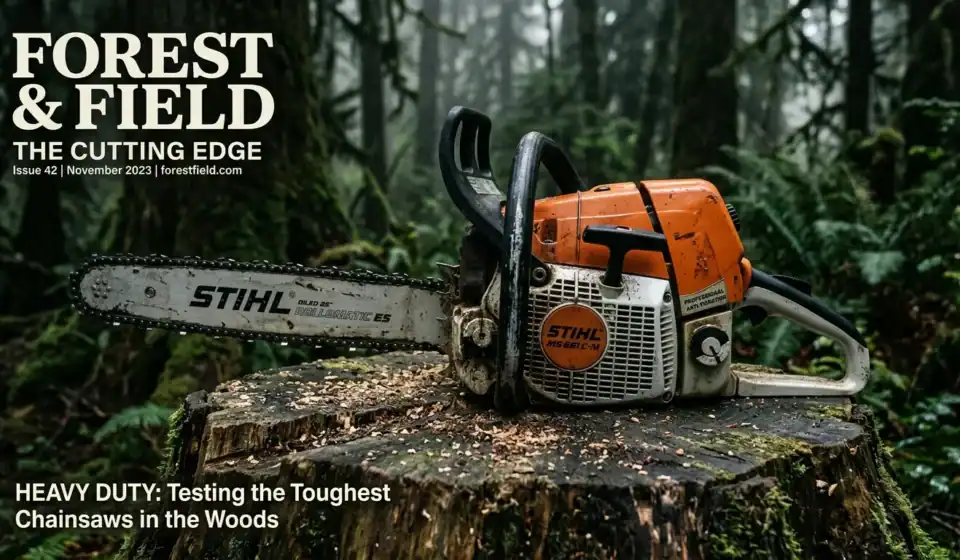
For many, the name Stihl is synonymous with chainsaw excellence, and for good reason. Stihl chainsaws have earned their reputation for rugged durability through decades of relentless performance in the toughest environments. Their engineering philosophy often prioritizes robust construction, high-quality materials, and designs that are both powerful and inherently tough. Users consistently report Stihl saws starting reliably even after years of use and enduring demanding workloads that would quickly wear out lesser machines. Their professional models, in particular, are built to be rebuilt, signifying a long-term investment rather than a disposable tool.
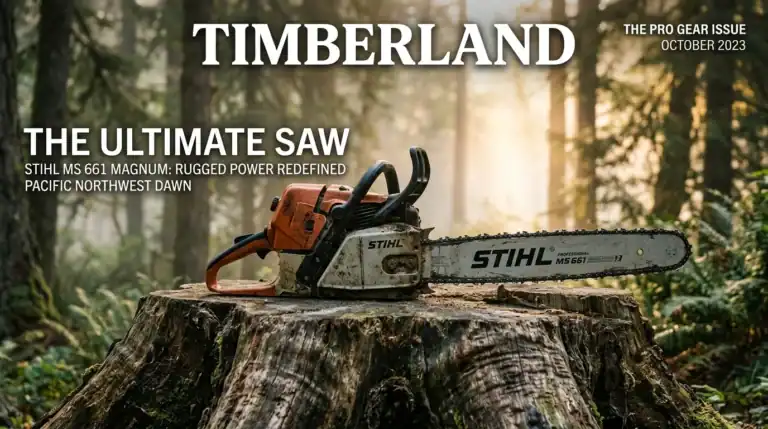
Stihl’s commitment to durability is evident in features like their magnesium crankcases, which provide excellent structural integrity and heat management, crucial for long cutting sessions. Models like the Stihl MS 271 Farm Boss, a popular choice for landowners and serious homeowners, are celebrated for their robust 2-MIX engine and efficient air filtration system, ensuring consistent power and longevity. For professionals, the Stihl MS 462 R C-M stands out, boasting advanced M-Tronic engine management and a power-to-weight ratio that doesn’t compromise on the heavy-duty components needed for felling and bucking large timber. These saws are designed not just to perform, but to endure.
Husqvarna: Balancing Power and Enduring Performance
Husqvarna is another titan in the chainsaw world, widely recognized for producing powerful, ergonomic, and incredibly durable machines. While often seen as a direct competitor to Stihl, Husqvarna carves its niche by often focusing on innovative engine technologies and user comfort without sacrificing an ounce of reliability. Their saws are known for their strong power output across various RPMs and their ability to handle tough jobs day in and day out. Real users frequently praise Husqvarna for their consistent starting and smooth operation, even after years of regular heavy use.
A key innovation contributing to Husqvarna’s durability is their X-Torq engine technology, which not only provides more power and better fuel efficiency but also significantly reduces exhaust emissions. This design often leads to cooler running engines, which contributes to longer component life. The Husqvarna 455 Rancher is a prime example of a durable, homeowner-friendly workhorse, often lauded for its robust construction and ability to tackle larger trees and extensive firewood duties. For the professional, the Husqvarna 562 XP showcases their dedication to durability with its AutoTune carburetor for optimal performance in varying conditions, robust construction, and excellent vibration dampening, ensuring it holds up to the rigors of professional forestry work.
Echo: The Underdog with Unmatched Value and Stamina
While perhaps not as globally ubiquitous as Stihl or Husqvarna, Echo has steadily built a formidable reputation for producing incredibly durable, high-value chainsaws, especially in the homeowner and semi-professional segments. What Echo might lack in brand cachet compared to its European rivals, it more than makes up for in sheer reliability and an often-unbeatable warranty. Many users who have owned an Echo for years will attest to their saws simply “never dying,” a testament to their solid Japanese engineering and commitment to quality components.
Echo’s durability stems from a straightforward, no-nonsense approach to design: robust, well-made engines, solid chassis construction, and a focus on components that can withstand regular abuse. Their 5-year consumer warranty is a bold statement of confidence in their product’s longevity, a warranty period that few other brands dare to match. Models like the Echo CS-400 are incredibly popular among homeowners for their ease of use, strong performance, and legendary durability, often outlasting saws twice their price. For those needing more power, the Echo CS-590 Timber Wolf offers professional-grade power and construction with a 59.8cc engine, proving that Echo can hang with the big boys when it comes to cutting performance and enduring reliability, making it a favorite for landowners who tackle serious logging tasks.
Beyond the Brand: Maximizing Your Chainsaw’s Lifespan
Even the most durably built chainsaw from a top brand can have its life drastically cut short by improper use and neglect. Think of it this way: you wouldn’t buy a high-performance sports car and never change the oil, would you? The same principle applies, perhaps even more so, to a chainsaw that operates in dusty, dirty, and demanding conditions. Your actions, or inactions, play a monumental role in whether your prized saw serves you for years or becomes an expensive paperweight. Maximizing your chainsaw’s lifespan is an active process, a partnership between you and your machine.
The Golden Rules of Chainsaw Maintenance
Regular maintenance is not just a suggestion; it’s a critical investment in your chainsaw’s longevity. One of the most common causes of premature wear is a dull chain. A sharp chain cuts efficiently, putting less strain on the engine, clutch, and bar. Aim to sharpen your chain after every tank of fuel, or immediately if you hit dirt or rock. Beyond the chain, the guide bar needs attention; regularly clean the bar groove to remove packed sawdust, flip the bar periodically to ensure even wear, and remove any burrs that develop on the rails. Check the sprocket nose for free rotation and ensure it’s adequately lubricated.
Don’t overlook the air filter. A clogged air filter starves the engine of air, causing it to run rich, lose power, and potentially overheat. Clean it frequently, especially in dusty conditions, and replace it according to your owner’s manual or when it shows signs of significant wear. The spark plug, though small, is vital for efficient combustion; inspect it for fouling and proper gap, replacing it annually or as needed. Lastly, keep an eye on the chain brake and anti-vibration mounts; these components ensure safety and comfort, and their deterioration can affect overall saw integrity.
Fuel, Oil, and Air: Your Saw’s Lifeblood
The quality and freshness of the fuel and oil you use are paramount to engine health. Always use fresh, high-octane (at least 89 octane) gasoline mixed with high-quality 2-stroke oil at the manufacturer’s specified ratio. Never use old, stale fuel, as it can separate, causing carburetor issues and engine damage. Ethanol in gasoline can also be problematic, especially for older saws, as it can degrade fuel lines and rubber components. Consider using ethanol-free fuel or a fuel stabilizer if your saw will sit for extended periods. For bar and chain oil, always use dedicated bar and chain oil; it’s formulated to stick to the chain and lubricate effectively, unlike motor oil.
Proper air circulation is also key. Beyond the air filter, ensure cooling fins on the engine are kept clean. Packed sawdust and debris can act as insulation, causing the engine to overheat and accelerating wear. A quick blast with compressed air after each major use can prevent this. Remember, a chainsaw operates in a demanding environment, and providing it with clean fuel, proper lubrication, and adequate cooling is the best way to ensure its internal components remain healthy and functional for years to come.
Proper Storage and Pre-Use Checks
How you store your chainsaw directly impacts its readiness and longevity. Before storing it for more than a few weeks, especially over winter, drain the fuel tank and run the engine until it starves of fuel. This prevents stale fuel from gumming up the carburetor. Clean the saw thoroughly, removing all sawdust, sap, and grime from the engine, bar, and chain. A clean saw is easier to inspect and less prone to rust or corrosion. Store your chainsaw in a dry, protected area, away from extreme temperatures and humidity. A sturdy carrying case can also provide protection from accidental damage.
Before each use, perform a quick pre-operation check. Verify the chain tension, ensuring it’s snug but can still be pulled freely by hand. Check the bar and chain oil reservoir level. Inspect the chain for sharpness and damage, and confirm the chain brake is functioning correctly. Listen to the engine when you start it; any unusual noises or difficulty starting could indicate a problem that needs attention before you begin cutting. These simple habits take only a few minutes but can prevent costly repairs and ensure your durable saw remains a reliable companion.
Making Your Decision: How to Choose a Durable Chainsaw in 2026
Choosing a durable chainsaw isn’t just about picking a brand; it’s about making an informed decision that aligns with your specific needs, budget, and commitment to maintenance. While we’ve highlighted brands with proven track records for longevity, the “best” durable chainsaw for you might differ from what a professional arborist would choose. It comes down to a thoughtful assessment of your typical tasks, how often you’ll use the saw, and how much you’re willing to invest upfront versus saving on future repairs. There’s a sweet spot for everyone, and finding it is key to long-term satisfaction.
Assessing Your Needs: Homeowner, Landowner, or Pro?
The first step in choosing a durable chainsaw is to honestly evaluate your intended use. Are you a homeowner who occasionally prunes branches and cuts a few small trees, requiring a 14-16 inch bar and a 35-45cc engine? Or are you a landowner clearing acreage, felling larger trees, and needing a 18-20 inch bar with a 50-60cc engine? Perhaps you’re a professional who needs a heavy-duty workhorse with a 20+ inch bar and 70+cc engine for daily, demanding tasks. Over-buying for casual use can mean unnecessary weight and expense, while under-buying for heavy work will quickly wear out a less robust machine.
For most homeowners tackling general yard work and occasional firewood, a durable 40-50cc chainsaw like the Stihl MS 271 Farm Boss or Echo CS-400 is an excellent choice, offering a great balance of power and long-term reliability. Landowners with larger properties and more significant cutting needs might lean towards models like the Husqvarna 455 Rancher or Echo CS-590 Timber Wolf, which bridge the gap between homeowner and professional-grade durability. Professionals, of course, will gravitate towards the top-tier models from Stihl and Husqvarna, such as the Stihl MS 462 R C-M or Husqvarna 562 XP, knowing these saws are engineered for the most demanding daily use.
Reading Between the Lines: User Reviews and Warranties
While expert opinions and brand reputations are valuable, real user reviews offer invaluable insights into a chainsaw’s long-term durability. Look for patterns in feedback: do many users consistently praise a specific model’s reliability after years of use, or do recurring complaints about specific components surface? Pay less attention to one-off negative reviews (which could be due to misuse) and focus on widespread consensus. For example, if dozens of users rave about an Echo CS-400 running strong for a decade with minimal issues, that’s a strong indicator of durability.
Additionally, a manufacturer’s warranty is a powerful statement about their confidence in a product’s longevity. Brands like Echo, with their generous 5-year consumer warranty, are essentially putting their money where their mouth is, assuring you of the product’s ability to withstand normal use for a significant period. While a shorter warranty doesn’t necessarily mean a lack of durability, a longer one certainly signals a higher level of manufacturer assurance. Always understand the terms and conditions of any warranty before making your purchase.
The Real Cost of Durability: Investment vs. Expense
It’s easy to be swayed by a lower price tag, but when it comes to chainsaws, the cheapest option is almost never the most durable or cost-effective in the long run. A truly durable chainsaw represents an investment. While the initial purchase price for a Stihl, Husqvarna, or Echo might be higher than a generic budget brand, you’re paying for superior materials, precision engineering, and robust construction that translates into fewer breakdowns, lower repair costs, and a longer operational life. Over five to ten years, a durable saw that costs more upfront will almost certainly save you money and headaches compared to a cheaper saw that needs frequent repairs or outright replacement.
Consider this: my grandfather bought his Stihl MS 034 (an older version of what’s now a professional series saw) over 30 years ago. With consistent, albeit basic, maintenance, that saw still starts on the third pull and chews through oak like it’s fresh out of the box. That kind of longevity, born from quality manufacturing and diligent care, is the hallmark of true durability. So, when you’re looking at chainsaws in 2026, don’t just see a price tag; see an investment in reliable performance and years of trouble-free service. Choose wisely, maintain diligently, and your chainsaw will be a trusted companion for many seasons to come.