

Chainsaw Clutch Maintenance: Diagnose, Clean & Replace for Peak Performance
As a chainsaw expert, I often tell people the clutch is the unsung hero of your saw. It’s the critical component that transfers power from your engine to the chain, allowing you to cut efficiently and, more importantly, safely. Without a properly functioning clutch, your chainsaw is either a dangerous hazard or simply a paperweight. Regular clutch maintenance isn’t just about prolonging the life of your equipment; it’s about ensuring reliable, safe operation every time you start it up.
Table Of Content
- Chainsaw Clutch Maintenance: Diagnose, Clean & Replace for Peak Performance
- What is a Chainsaw Clutch?
- Why is Clutch Maintenance Important?
- Diagnosing Chainsaw Clutch Problems
- Safety First!
- Chainsaw Clutch Cleaning: Step-by-Step
- Tools You’ll Need
- Cleaning Procedure
- Chainsaw Clutch Replacement: When and How
- When to Replace
- Tools You’ll Need
- Replacement Procedure
- Tips for Clutch Longevity
This guide will walk you through diagnosing common clutch issues, providing step-by-step instructions for cleaning, and when necessary, replacing this vital part. Whether you’re a homeowner, a seasoned landowner, or an arborist, understanding your chainsaw’s clutch is key to maintaining your equipment’s performance.
What is a Chainsaw Clutch?
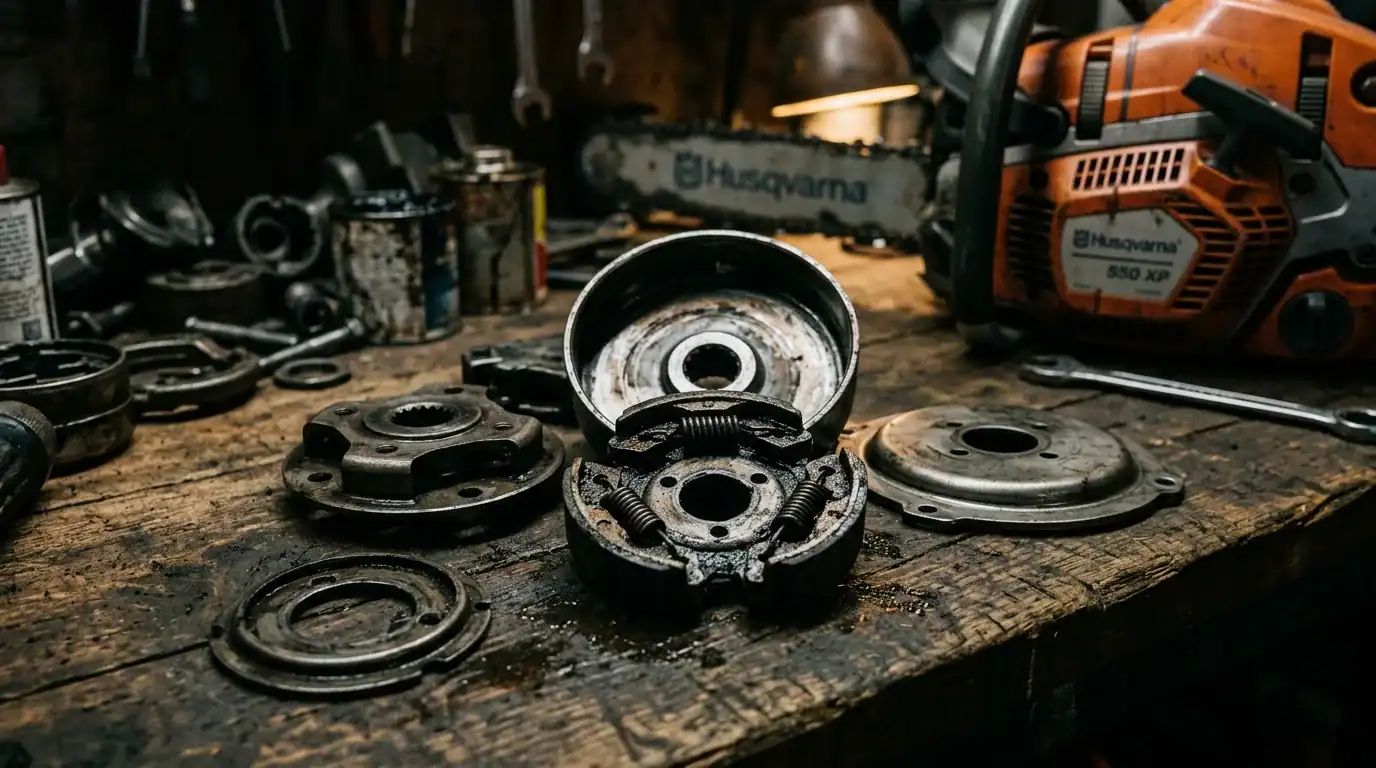
Most chainsaws use a centrifugal clutch. Think of it as an automatic transmission for your saw. When the engine idles, the clutch is disengaged, and the chain remains stationary. As you apply throttle, the engine RPMs increase, and centrifugal force pushes clutch shoes outwards against the clutch drum. This friction engages the drum, which then spins the sprocket, driving your chain. It’s designed to ensure the chain only moves when you intend it to, providing safety and control.
Why is Clutch Maintenance Important?
A well-maintained clutch is crucial for several reasons:
- Safety: Prevents the chain from spinning at idle, a major safety hazard.
- Performance: Ensures smooth power transfer, preventing bogging down or loss of cutting efficiency.
- Longevity: Reduces wear on the engine, crankshaft, and other components.
- Fuel Efficiency: A slipping clutch wastes engine power and fuel.
Diagnosing Chainsaw Clutch Problems
Catching clutch issues early can save you time and money. Here are common symptoms:
- Chain Spinning at Idle (Chain Creep): This is the most dangerous sign. It means the clutch isn’t fully disengaging, often due to worn-out springs, sticky shoes, or a damaged clutch drum.
- Poor Power Transfer/Sluggish Chain: If the engine revs but the chain doesn’t accelerate quickly or cuts poorly, the clutch shoes might be slipping.
- Excessive Heat or Smoke: Friction from a slipping clutch generates heat, potentially causing smoke from the clutch cover area.
- Abnormal Noises: Squealing, grinding, or rattling sounds can indicate worn clutch shoes, a damaged clutch drum, or broken springs.
- Engine Bogging Down: If the engine struggles and dies when you try to cut, even with a sharp chain, the clutch might be dragging.
Safety First!
Before performing any maintenance, always:
- Disconnect the spark plug wire.
- Ensure the saw is cool.
- Wear appropriate personal protective equipment (PPE), including gloves and eye protection.
Chainsaw Clutch Cleaning: Step-by-Step
Often, a good cleaning is all a malfunctioning clutch needs, especially if you experience chain creep due to sticky shoes.
Tools You’ll Need:
- T-wrench (for bar nuts and clutch cover)
- Wire brush or stiff nylon brush
- Compressed air
- Brake cleaner or carburetor cleaner (non-residue type)
- Clean rags
Cleaning Procedure:
- Remove Bar and Chain: Loosen the bar nuts, remove the clutch cover, then carefully remove the guide bar and saw chain.
- Inspect for Debris: The clutch area, particularly the clutch drum and inside the clutch cover, is a magnet for sawdust, oil, and grime. This buildup can cause the clutch shoes to stick.
- Clean Loose Debris: Use your brush and compressed air to remove all loose sawdust and wood chips from the clutch drum, shoes, and surrounding area.
- Degrease Components: Spray brake cleaner or carburetor cleaner onto the clutch shoes and the inner surface of the clutch drum. Use a clean rag to wipe away all oil and residue. Ensure the clutch shoes are free to move inwards and outwards easily.
- Check Clutch Springs: While cleaning, inspect the small springs that pull the clutch shoes inwards. Ensure they are intact, not stretched, and firmly attached. Damaged springs require clutch replacement.
- Inspect Needle Bearing: The clutch drum usually rides on a needle bearing behind it. Ensure it’s clean and spins freely. Lightly grease it if necessary (check your saw’s manual for specific lubrication recommendations).
- Reassemble: Once everything is clean and dry, reattach the guide bar and chain, then secure the clutch cover.
Chainsaw Clutch Replacement: When and How
If cleaning doesn’t resolve the issue, or if you observe significant wear, it’s time for a replacement.
When to Replace:
- Clutch shoes are worn down, glazed, or grooved.
- Clutch springs are broken, stretched, or missing.
- Clutch drum is deeply grooved, warped, or blued from excessive heat.
Tools You’ll Need:
- All tools for cleaning
- Piston Stop: Essential for locking the crankshaft.
- Clutch Removal Tool: A specialized tool (or sometimes a large socket/wrench) to unscrew the clutch. Note: Clutch threads are often reverse-threaded (left-hand thread), meaning you turn clockwise to loosen and counter-clockwise to tighten. Always confirm with your chainsaw’s manual!
- New clutch assembly (clutch shoes, springs, and often a new clutch drum/sprocket assembly)
Replacement Procedure:
- Prepare the Saw: Remove the spark plug, bar, chain, and clutch cover as described above.
- Insert Piston Stop: Screw the piston stop into the spark plug hole. This prevents the crankshaft from turning when you try to loosen the clutch.
- Remove Old Clutch: Place the clutch removal tool onto the clutch assembly. Turn the tool in the correct direction (usually clockwise for removal, as it’s often a left-hand thread). You might need significant force.
- Remove Clutch Drum and Bearing: Once the clutch shoes assembly is off, carefully slide off the clutch drum and retrieve the needle bearing behind it. Inspect the crankshaft splines for any damage.
- Install New Parts:
- Clean the crankshaft area thoroughly.
- Install the new needle bearing (lightly greased).
- Slide on the new clutch drum (ensure it’s seated correctly).
- Screw on the new clutch shoe assembly. Remember: usually counter-clockwise to tighten! Tighten it firmly, but do not overtighten, as this can damage the crankshaft. Refer to your manual for specific torque settings if available.
- Final Steps: Remove the piston stop, replace the spark plug, and reassemble the bar, chain, and clutch cover. Test the saw carefully at idle and under light load before full operation.
Clutch designs are generally similar across popular brands like Stihl, Husqvarna, and Echo, but specific part numbers and clutch removal tools will vary. Always consult your chainsaw’s owner’s manual for precise instructions and part identification.
Tips for Clutch Longevity
- Keep Your Chain Sharp: A dull chain forces the engine and clutch to work harder, leading to excessive heat and premature wear.
- Maintain Correct Chain Tension: Too loose, and it can jump off; too tight, and it puts extra strain on the clutch and engine.
- Avoid Stalling: Don’t force cuts or let the saw bog down repeatedly, as this puts immense strain on the clutch.
- Regular Cleaning: Make clutch area cleaning part of your routine maintenance, especially after dusty or sappy jobs.
By understanding and properly maintaining your chainsaw’s clutch, you’re not just extending the life of your valuable outdoor power equipment; you’re also ensuring your own safety and the efficiency of your work. Regular inspection, timely cleaning, and replacement when necessary will keep your saw running like new, ready for any task.