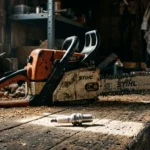



Even the best chainsaws, fresh out of the box, often leave a little room for improvement. Whether you’re a homeowner tackling tough backyard projects or a seasoned landowner clearing acres, a stock machine, while capable, might not always deliver its absolute peak performance. In my years of working with these powerful tools, I’ve seen firsthand how a few thoughtful, targeted chainsaw upgrades can transform a good saw into a truly exceptional one, boosting its power, efficiency, and even its longevity.
Table Of Content
- Why Consider Upgrading Your Chainsaw Parts?
- The Core Components for Performance Enhancement
- The Cutting System: Chain and Guide Bar
- Fueling the Beast: Carburetor & Air Filter Improvements
- Power Transfer: Rim Sprocket and Clutch Systems
- Ignition & Exhaust: Spark Plugs & Mufflers
- Important Considerations Before You Upgrade
- Comparison Table: Common Upgrades & Their Impact
- Frequently Asked Questions
- Is it worth upgrading an old chainsaw?
- Do performance upgrades void warranty?
- Can I install these parts myself?
Why Consider Upgrading Your Chainsaw Parts?
Many users believe that maintenance is the only way to keep a chainsaw running optimally, and while diligent maintenance is absolutely crucial, it’s only half the story. Upgrading certain components can take your chainsaw beyond its original factory specifications, unlocking hidden potential and adapting it more precisely to your specific needs. This isn’t just about raw power; it’s about optimizing the entire cutting system and engine performance.
The benefits of strategic performance parts upgrades are manifold. You can experience significantly increased cutting speed, leading to less fatigue and quicker job completion. Improved fuel efficiency can save you money and reduce emissions over time. Enhanced safety can come from more predictable power delivery and a better balanced saw. Plus, giving an older, reliable workhorse a new lease on life with modern, high-performance components is often more cost-effective than investing in a brand new, high-end model. Honestly, there’s a deep satisfaction in customizing your tools to work harder and smarter for you.
For example, imagine this situation: you’ve been struggling to fell a particularly dense hardwood with your standard homeowner saw, feeling the engine bog down and the chain labor. A friend suggests some simple upgrades. After a weekend of carefully selected modifications, that same saw now slices through similar timber with a newfound aggression and ease. This isn’t just wishful thinking; it’s a common outcome for those who understand where to invest their time and money in chainsaw modifications. It’s about empowering your tool to meet the demands you place on it, whether it’s routine firewood cutting or more demanding land clearing.
The Core Components for Performance Enhancement
The Cutting System: Chain and Guide Bar
Let’s start with the most direct interaction point with the wood: the cutting system. The chainsaw chain upgrade is arguably the most impactful modification you can make. Many factory-equipped chains, especially on homeowner models, are semi-chisel for safety and ease of sharpening. While good, they don’t offer the aggressive bite of a full-chisel chain. A full-chisel chain, with its square-cornered cutters, slices wood fibers instead of tearing, resulting in faster, cleaner cuts. For tougher wood or professional applications, a skip-tooth chain (fewer cutters) can also improve chip clearance and cutting speed, especially with longer bars and higher-powered saws, reducing drag. When I swapped out a standard semi-chisel chain for a full chisel on a Stihl MS 271 for felling some stubborn oak, the difference in chip ejection and cutting speed was undeniable; it felt like a completely different saw.
Complementing the chain is the guide bar upgrade. Standard laminate bars are fine for light duty, but for serious work, upgrading to a solid steel bar or, even better, a lightweight professional bar is a game-changer. Lightweight guide bars, such as Stihl’s Rollomatic E Super Light or Husqvarna’s X-Tough Light, often feature a hollow core or specialized construction to significantly reduce the saw’s overall weight, improving balance and maneuverability, especially during prolonged use or when bucking large logs. This reduction in weight directly translates to less operator fatigue and greater control, which in turn enhances safety.
Consider the bar length as well. While not strictly an “upgrade,” ensuring you have the optimal bar length for your typical tasks is critical. Using a bar that’s too long for your saw’s engine power will bog it down, while too short a bar limits your cutting capacity. For demanding tasks, an upgraded guide bar with a robust sprocket nose will also improve chain flow and reduce wear. Upgrading these components together ensures your saw is not only more powerful but also more efficient at delivering that power where it counts: through the wood.
| Upgrade Type | Pros | Cons |
|---|---|---|
| Full-Chisel Chain | Faster, cleaner cuts; higher efficiency | More prone to kickback if not handled properly; dulls quicker in dirty wood; harder to sharpen |
| Lightweight Guide Bar | Significantly reduces saw weight; improves balance & maneuverability; reduces fatigue | Higher initial cost; some specialized bars may require specific chains |
| Solid Bar (vs. Laminate) | Increased durability & rigidity; better for professional use | Heavier than lightweight bars; higher cost |
Fueling the Beast: Carburetor & Air Filter Improvements
Beyond the cutting components, how your engine breathes and consumes fuel plays a massive role in its output. A significant chainsaw upgrade in this area involves the air filter upgrade. Many stock air filters are basic. Upgrading to a high-quality, heavy-duty, or flocked performance air filter allows for greater airflow into the carburetor while maintaining superior filtration. This means the engine gets more clean air, leading to more complete combustion and ultimately, more power. But what good is more power if your engine chokes on dust?
The carburetor tuning is another area ripe for performance gains. Factory carburetors are often set to meet emission standards, which sometimes means running a bit “lean” (less fuel, more air). By carefully adjusting the high and low-speed jets, you can fine-tune the fuel-air mixture for optimal performance, potentially yielding more horsepower. For those with a deeper mechanical inclination, a carburetor kit or even a full aftermarket performance carburetor (though less common for standard homeowner saws) can provide even more control and power, especially when combined with exhaust modifications. This requires a keen ear and understanding of engine acoustics, as running too rich or too lean can lead to engine damage.
It’s a delicate balance. A slightly richer mixture typically runs cooler and produces more power, but too rich, and you’re wasting fuel and fouling the spark plug. Too lean, and you risk overheating and severely damaging the engine. I always recommend caution and, if unsure, consulting a professional for carburetor tuning. This isn’t a “set it and forget it” modification; it often requires a bit of trial and error to get just right for your specific saw, altitude, and even ambient temperature.
Power Transfer: Rim Sprocket and Clutch Systems
An often-overlooked but critical component for efficient power transfer is the sprocket. Many chainsaws, particularly older or entry-level models, come with a spur sprocket. Upgrading to a rim sprocket upgrade is a smart move. A rim sprocket floats on the clutch drum, allowing for easier chain alignment and reduced wear on both the chain and the bar. It also allows you to easily change the sprocket’s tooth count. A higher tooth count generally means faster chain speed for quicker cuts, while a lower tooth count provides more torque, which can be beneficial for larger diameter wood or when your saw might otherwise bog down.
The clutch drum upgrade can also play a role, particularly for those pushing their saws hard. Aftermarket heavy-duty clutch shoes or upgraded clutch assemblies can provide better engagement and power transfer without slippage, which is crucial under heavy loads. This ensures that the engine’s power is effectively transferred to the chain without unnecessary losses, making your cuts more efficient and your engine work less hard. When assessing your saw’s performance, never underestimate the impact of these internal, often hidden, components.
Ignition & Exhaust: Spark Plugs & Mufflers
The spark plug is the heart of your ignition system, and a simple spark plug upgrade can make a noticeable difference. While standard plugs work, upgrading to an iridium spark plug can offer a more consistent, powerful spark and better combustion efficiency, leading to smoother idling, easier starting, and potentially a slight bump in power. They also tend to last longer.
Finally, let’s talk about the exhaust system. A common and sometimes controversial chainsaw modification is a muffler modification, or “muffler mod.” This involves porting or opening up the exhaust port on the muffler to reduce back pressure, allowing the engine to “breathe” out more freely. Less back pressure means the engine can rev higher and produce more power. However, this is not for the faint of heart. A muffler mod will significantly increase the saw’s noise level and may void warranties or violate local noise ordinances. It also requires careful carburetor re-tuning to match the increased airflow. I personally only recommend this for experienced users who understand the implications and are prepared for proper re-tuning, as an improperly modified muffler can lead to engine damage or create an excessively loud and environmentally unfriendly tool.
Important Considerations Before You Upgrade
Before you dive headfirst into buying performance parts, it’s essential to pause and consider a few critical factors. Firstly, compatibility and warranty are paramount. Not all aftermarket parts fit all chainsaw models. Always double-check part numbers and specifications. Be aware that many chainsaw upgrades, especially engine modifications like carburetor tuning or muffler mods, can void your manufacturer’s warranty. Weigh the potential performance gains against the loss of warranty protection, especially on newer, expensive saws. OEM (Original Equipment Manufacturer) parts typically maintain warranty, but aftermarket “performance” parts usually do not.
Secondly, consider the skill level required. Swapping a chain or a guide bar is relatively straightforward and within the grasp of most DIY users. However, tasks like carburetor tuning, ignition timing adjustments, or performing a muffler mod demand mechanical aptitude, specialized tools, and a good understanding of small engine mechanics. If you’re unsure, it’s always best to consult a professional or a reputable chainsaw service center. An improperly installed or tuned part can lead to poor performance, excessive wear, or even dangerous operating conditions.
Lastly, always evaluate the cost vs. benefit. Is it truly worth investing a significant amount into upgrading an old, worn-out saw, or would that money be better put towards a newer, more powerful model that offers better performance out of the box? For an older saw in good overall condition, targeted chainsaw upgrades can breathe new life into it. For a saw that’s already on its last legs, it might be a false economy. Based on my experience, for homeowners and intermediate users, focusing on the cutting system (chain, bar, sprocket) usually offers the best return on investment in terms of noticeable performance improvement and ease of installation.
Before you commit to any upgrade, ask yourself these key questions:
- What specific performance aspect do I want to improve (speed, torque, balance)?
- Is my chainsaw in good enough condition to warrant an upgrade, or should I replace it?
- Do I have the necessary tools and mechanical skill for this particular upgrade?
- Am I comfortable potentially voiding my saw’s warranty?
- Have I researched reputable aftermarket brands or specific OEM alternatives?
Comparison Table: Common Upgrades & Their Impact
| Upgrade Part/Type | Primary Benefit | Difficulty (1-5) | Typical Cost Range (USD) |
|---|---|---|---|
| Full-Chisel Chain | Faster, more aggressive cuts | 1 (Easy) | $20 – $50 |
| Lightweight Guide Bar | Reduced weight, improved balance | 2 (Moderate) | $70 – $200+ |
| Performance Air Filter | Improved airflow, better combustion | 1 (Easy) | $15 – $40 |
| Rim Sprocket | Better chain alignment, reduced wear, customizable tooth count | 2 (Moderate) | $25 – $60 |
| Iridium Spark Plug | More consistent spark, easier starting | 1 (Easy) | $10 – $25 |
| Carburetor Tuning/Kit | Optimized fuel-air mixture, more power | 4 (Advanced) | $30 – $150 (for kit, tuning may be labor) |
| Muffler Modification | Increased exhaust flow, potential power gain | 5 (Expert) | $0 – $100 (DIY materials) |
Frequently Asked Questions
Is it worth upgrading an old chainsaw?
It depends on the chainsaw’s overall condition and your goals. If the engine is still strong and the saw is well-maintained, targeted upgrades like a new chain, guide bar, or performance air filter can significantly improve its capabilities and extend its useful life, often for less than the cost of a new saw.
Do performance upgrades void warranty?
Yes, many performance upgrades, particularly those involving engine modifications like carburetor tuning or muffler modifications, will typically void your chainsaw’s manufacturer warranty. Always check your warranty terms before performing any non-OEM modifications.
Can I install these parts myself?
Many upgrades like changing the chain, guide bar, air filter, or spark plug are well within the capabilities of most DIY users. However, more complex modifications such as carburetor tuning or muffler modifications require mechanical expertise and special tools. When in doubt, it’s best to consult a professional.
Ultimately, enhancing your chainsaw’s performance through carefully chosen chainsaw upgrades is a rewarding endeavor. It’s about tailoring your tool to your specific demands, making it safer, more efficient, and more enjoyable to use. Just remember, the goal isn’t just about raw power; it’s about optimized performance, and that begins with understanding your equipment and making informed choices. Always prioritize safety, and if you’re ever unsure about a particular modification, seek advice from a trusted professional. For more expert insights and honest evaluations, keep an eye on Best Professional Chainsaw.