

As a seasoned chainsaw professional, I often encounter a common misconception, especially among those new to electric models: many assume that since there’s no gas engine, there’s no need for oil. But let me tell you, that couldn’t be further from the truth, especially when it comes to your reliable Greenworks battery-powered chainsaw. Just like any high-performance cutting tool, proper lubrication is absolutely critical for its longevity, efficiency, and your safety.
Table Of Content
- Why Your Greenworks Chainsaw Absolutely Needs Bar and Chain Oil
- The Dangers of Running Dry or Using the Wrong Oil
- Understanding Greenworks’ Specific Oil Recommendations
- Are Generic Bar and Chain Oils Acceptable?
- The Characteristics of the Right Bar & Chain Oil
- Viscosity and Temperature Considerations
- Tackiness, Additives, and Biodegradability
- What NOT to Use: A Critical Warning
- Practical Oil Management for Your Greenworks Chainsaw
- Checking and Refilling Your Oil Reservoir
- Maintenance and Troubleshooting Related to Oiling
- Storing Your Chainsaw and Oil
Greenworks chainsaws, whether you own a compact 40V model for yard work or a robust 80V beast for heavier tasks, all rely on a constant supply of specialized oil to keep the chain and guide bar running smoothly. This isn’t just about making your cuts easier; it’s about protecting your investment, preventing premature wear, and ensuring the tool operates as intended. Are you confident you’re using the right oil and managing it correctly? Let’s dive deep into everything you need to know.
Why Your Greenworks Chainsaw Absolutely Needs Bar and Chain Oil
It’s a question I hear all the time: “My Greenworks chainsaw is battery-powered, so why does it still need oil?” The answer is simple and crucial: every chainsaw, regardless of its power source, generates immense friction and heat between the fast-moving chain and the guide bar. Without proper lubrication, this friction would rapidly wear down both components, leading to a host of problems from dulling performance to outright failure.
Think of it this way: your chainsaw chain zips around the guide bar at speeds of up to 60 feet per second. That’s incredibly fast! This constant motion creates significant heat. Bar and chain oil serves several vital functions in this high-stress environment. Firstly, it drastically reduces friction, allowing the chain to glide smoothly and efficiently, requiring less power from the motor and extending battery life on your Greenworks unit. Secondly, it dissipates heat, preventing overheating that can warp the bar, stretch the chain, and damage the sprocket. Finally, the oil also helps to carry away sawdust and debris from the bar groove, keeping the cutting mechanism clean and functional.
The Dangers of Running Dry or Using the Wrong Oil
Ignoring your chainsaw’s lubrication needs is a surefire way to shorten its lifespan and compromise its performance. I’ve seen countless chainsaws come into my shop with irreversible damage because of improper oil use. When a chain runs dry, the friction causes rapid metal-on-metal wear. The guide bar’s rails can become grooved and pitted, the chain links will stretch and seize, and the drive sprocket can wear out prematurely. This not only makes cutting inefficient and frustrating but also poses a significant safety risk.
A chain that isn’t properly lubricated can seize mid-cut, leading to dangerous kickback. Furthermore, the excessive heat can damage the motor and other internal components of your Greenworks chainsaw, leading to costly repairs that could have been easily avoided. Using the wrong type of oil, such as motor oil or thin household oils, is equally problematic. These oils aren’t formulated with the necessary tackiness and viscosity to stay on the chain and effectively lubricate, leading to sling-off and inadequate protection. Always remember: the right oil is an investment in your chainsaw’s health and your safety.
Understanding Greenworks’ Specific Oil Recommendations
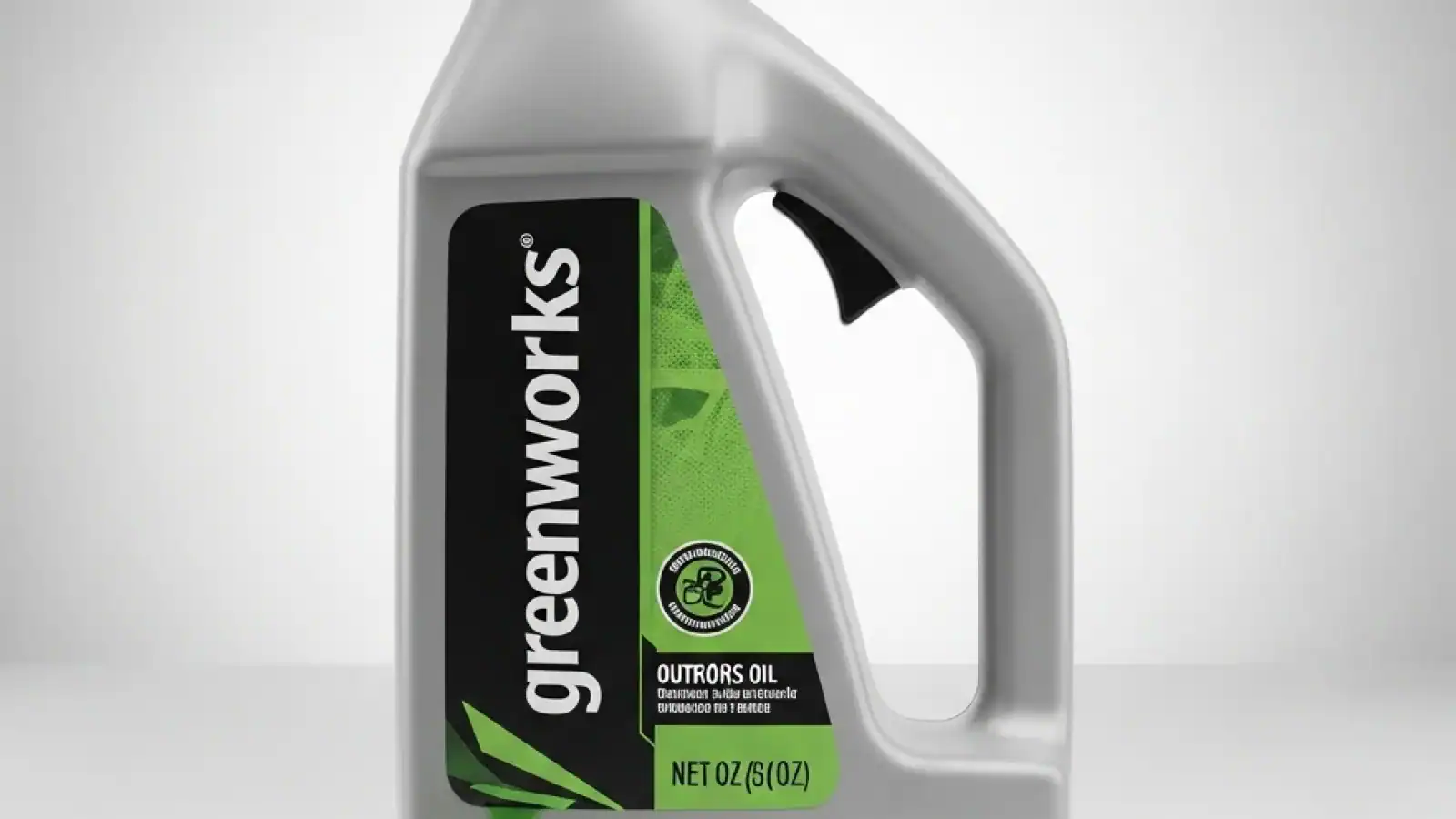
When it comes to choosing the right oil for your Greenworks chainsaw, the best place to start is always with the manufacturer’s recommendations. Greenworks, like most reputable power equipment brands, designs its machines to work optimally with specific types of lubricants. While they do offer their own branded bar and chain oil, understanding the underlying specifications is key.
Greenworks typically recommends a high-quality bar and chain oil designed for all-season use. Their own brand oil is formulated to provide excellent lubrication, reduce friction and wear, and protect against rust. For instance, models like the Greenworks 40V 12-inch (20262) or the more powerful 80V 18-inch (2031102) are built with automatic oilers that require a steady supply of this specific type of oil. The automatic oiler system ensures a consistent flow to the bar and chain, but it can only do its job if you fill it with the correct lubricant.
Are Generic Bar and Chain Oils Acceptable?
While Greenworks-branded oil is always a safe bet, you’re not necessarily limited to it. Many high-quality generic or third-party bar and chain oils are perfectly suitable for your Greenworks chainsaw, provided they meet the right specifications. The critical factors to look for are viscosity, tackiness, and the presence of anti-wear additives.
A good bar and chain oil will have a specific viscosity (often similar to an SAE 30 or 40 weight, though bar and chain oil uses a different rating system) that allows it to flow easily through the oiler pump in various temperatures, yet be thick enough to cling to the fast-moving chain. Its tackiness, achieved through special polymers, is vital to minimize “sling-off” – the tendency for oil to be thrown off the chain as it spins, which would lead to wasted oil and inadequate lubrication. Always check your Greenworks owner’s manual for any specific oil requirements or warnings, but generally, any reputable brand’s all-season bar and chain oil will serve your Greenworks unit well.
The Characteristics of the Right Bar & Chain Oil
Choosing the right oil isn’t just about grabbing any bottle labeled “chainsaw oil.” There are specific properties that make a bar and chain oil effective, and understanding these will empower you to make an informed decision for your Greenworks equipment. It’s about optimizing performance, ensuring safety, and extending the life of your valuable tool.
Viscosity and Temperature Considerations
Viscosity refers to a fluid’s resistance to flow. For bar and chain oil, this is a delicate balance. The oil needs to be thin enough to flow freely through the oiler pump and along the bar groove, especially in colder temperatures, but thick enough to cling to the chain and provide lubrication without excessive sling-off. Most general-purpose bar and chain oils are formulated as “all-season” blends, meaning they perform well in a wide range of temperatures, typically from around 0°F to 90°F (approx. -18°C to 32°C).
However, if you frequently operate your Greenworks chainsaw in extreme cold, you might consider a specific low-temperature bar and chain oil (often labeled as “winter blend”). These oils have a lower viscosity index, meaning they remain thinner and flow better when the mercury drops. Conversely, in very hot climates, a slightly heavier oil might reduce consumption and improve adhesion, though this is less common for consumer-grade electric chainsaws. Always monitor your oil consumption and chain performance relative to the ambient temperature. If your chain is smoking or the oil isn’t flowing, temperature could be a factor.
Tackiness, Additives, and Biodegradability
Beyond viscosity, tackiness is perhaps the most distinctive characteristic of bar and chain oil. Special polymers are added during formulation to make the oil sticky, allowing it to adhere strongly to the chain as it travels around the bar. This significantly reduces oil consumption compared to using regular motor oil, which would simply be flung off the chain almost immediately. This stickiness ensures that the lubricant stays where it’s needed most, protecting your Greenworks chainsaw’s vital components.
Modern bar and chain oils also contain various additives. Anti-wear additives help prolong the life of the bar and chain, while anti-corrosion agents protect metal parts from rust and oxidation, especially during storage. For environmentally conscious homeowners and landowners (which aligns well with the Greenworks ethos), biodegradable bar and chain oils are an excellent choice. These oils, often vegetable-oil based (like canola oil, specifically refined for this purpose), break down more quickly in the environment, making them ideal for use in sensitive areas or for those who simply want to reduce their ecological footprint. While they might be slightly more expensive, the peace of mind and environmental benefits are often worth the investment.
What NOT to Use: A Critical Warning
Please, for the sake of your chainsaw and your safety, do NOT use motor oil, hydraulic fluid, transmission fluid, or waste oil in your Greenworks chainsaw’s oil reservoir. These oils lack the necessary tackiness to stay on the chain, leading to rapid sling-off and inadequate lubrication. Motor oil, for instance, is designed to circulate inside a closed engine system, not to adhere to an exposed, fast-moving chain. Using these substitutes will lead to premature wear of your bar and chain, overheating, and potential damage to the automatic oiler pump itself.
While some specialized biodegradable oils are vegetable-based, simply pouring cooking oil or used fryer oil into your chainsaw is a recipe for disaster. These oils can gum up the oiler system, attract dirt, and often lack the necessary lubricating properties and additives required for high-speed chain operation. Stick to purpose-formulated bar and chain oil for optimal performance and safety.
Practical Oil Management for Your Greenworks Chainsaw
Now that you understand the “why” and “what” of chainsaw oil, let’s talk about the “how.” Proper oil management is an ongoing process that starts before you make your first cut and continues through maintenance and storage. These practical tips will help you keep your Greenworks chainsaw running smoothly and reliably for years to come.
Checking and Refilling Your Oil Reservoir
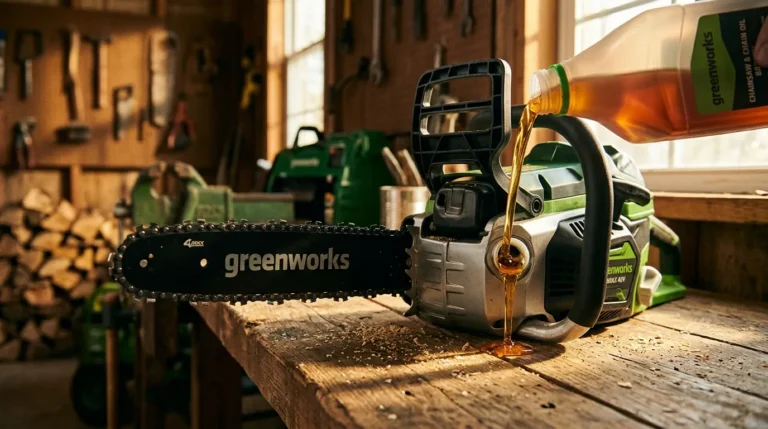
This is perhaps the most critical daily task for any chainsaw user. Before every single use of your Greenworks chainsaw, you must check the oil level. Most Greenworks models feature a translucent oil reservoir with a visible indicator, allowing you to quickly gauge the level. A good rule of thumb is to fill it to the recommended mark before starting any cutting task. For extended cutting sessions, you should pause periodically (every 10-15 minutes of continuous cutting) and quickly re-check the level. I often advise my clients to refill their oil reservoir every time they swap out a battery on their Greenworks unit – it’s a simple habit that ensures you never run dry.
When refilling, always place your chainsaw on a flat, stable surface. Unscrew the oil cap, which is typically located near the handle. Carefully pour the bar and chain oil into the reservoir using a funnel to prevent spills. Avoid overfilling, as this can lead to leaks. Once filled, securely replace the cap. A visual check of the chain after a few seconds of running the saw (safely, away from any objects) can confirm oil is reaching the chain – you should see a fine spray of oil sling off the tip of the bar. If not, stop immediately and troubleshoot.
Maintenance and Troubleshooting Related to Oiling
Proper oiling isn’t just about filling the tank; it’s also about maintaining the oiling system. Regularly clean the oil port and the groove in your guide bar. Sawdust and debris can accumulate in these areas, blocking the oil flow. When you remove the guide bar for chain sharpening or replacement, take the opportunity to clean the bar groove thoroughly with a flat tool or a specialized bar groove cleaner. Also, inspect the oil outlet hole on the chainsaw body itself to ensure it’s not clogged. A small pick or compressed air can help clear any blockages.
If you notice that your Greenworks chainsaw isn’t oiling properly despite having a full reservoir, here are a few things to check: First, ensure the oil cap vent is clear; a clogged vent can create a vacuum, preventing oil flow. Second, inspect the guide bar for any damage or excessive wear in the groove that might impede oil distribution. Third, check the oil pump mechanism if your manual offers guidance on this, though for battery chainsaws, professional service might be needed for internal pump issues. Remember, consistently insufficient oiling will lead to rapid component wear, so addressing the issue promptly is crucial.
Storing Your Chainsaw and Oil
Proper storage of both your Greenworks chainsaw and your bar and chain oil is also important for their longevity. When storing your chainsaw for an extended period, it’s generally a good idea to drain the bar and chain oil reservoir. This prevents the oil from potentially thickening, gumming up the oiler system, or leaking over time. Clean the chainsaw thoroughly, especially around the bar and chain, removing all sawdust and debris.
Store your bar and chain oil in a cool, dry place, away from direct sunlight and extreme temperatures. Extreme heat or cold can affect the oil’s properties over time. Always keep the container tightly sealed to prevent contamination from dirt or moisture. By following these simple but effective oil management practices, you’ll ensure your Greenworks chainsaw remains a reliable and efficient tool for all your cutting needs, protecting your investment and making every job safer and more productive.
Ultimately, using the right Greenworks chainsaw oil isn’t just a suggestion; it’s a fundamental requirement for safe, efficient, and long-lasting operation. Take the time to understand your chainsaw’s needs, use quality oil, and practice diligent maintenance. Your Greenworks chainsaw will thank you for it with years of dependable service.