


Ignite Your Knowledge: Why Knowing Your Chainsaw Inside Out Matters
Ever picked up your chainsaw, fired it up, and just started cutting without a second thought about what makes that powerful machine tick? Most of us have. But understanding the individual components of your chainsaw isn’t just for mechanics; it’s absolutely crucial for every homeowner, landowner, and enthusiast. Knowing your saw’s anatomy helps you identify potential problems early, perform basic maintenance, troubleshoot issues, and most importantly, operate it safely.
Table Of Content
Think of it like knowing the parts of your car. You don’t need to rebuild an engine, but you know where the oil goes, how to check the tires, and what that ‘check engine’ light means. The same goes for your chainsaw. We’re not aiming to turn you into a certified chainsaw technician overnight, but rather equip you with the knowledge to maintain your tool properly, enhance its performance, and extend its lifespan. Let’s dive deep into the fascinating world of chainsaw components and unlock the secrets to truly mastering your saw.
The Heart of the Beast: Powering Your Cut
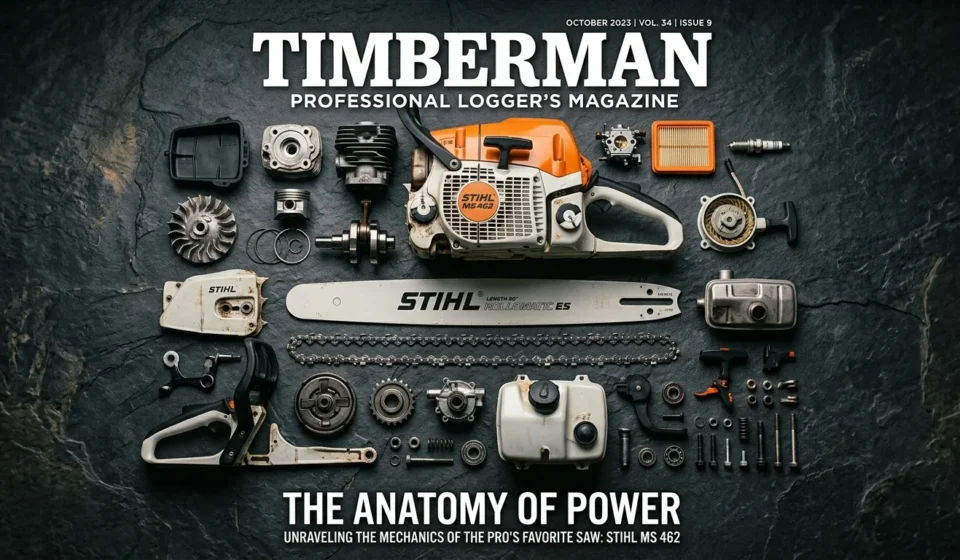
At the core of any chainsaw is its power source. Whether you’re running a traditional gas-powered workhorse, a convenient battery-electric model, or a corded electric saw, understanding how that power is generated and transferred is fundamental. Gas chainsaws, often preferred by professionals and serious landowners for their raw power and extended runtime, typically utilize a two-stroke internal combustion engine. This engine is a marvel of engineering, converting fuel into rotational energy that drives the cutting chain.
Within this engine, key components include the cylinder and piston, which work together to create combustion. The spark plug ignites the air-fuel mixture, pushing the piston, which in turn rotates the crankshaft. This rotational energy is then transferred to the clutch. For the engine to run smoothly, it needs a precise mix of air and fuel, managed by the carburetor, and clean air, provided by the air filter. A clogged air filter, for example, can drastically reduce your saw’s power and efficiency. Honestly, keeping that air filter clean is one of the easiest ways to prevent headaches.
Fuel delivery is just as critical. The fuel tank holds the gas-oil mix (for two-strokes), which is drawn into the carburetor. A small but mighty component is the starter rope and recoil assembly, which you pull to get the engine turning over. Imagine this situation: you’re out in the woods, ready to tackle a downed tree, and your saw just won’t start. Often, the culprit might be a fouled spark plug, a clogged fuel filter, or a dirty air filter – all parts you can easily inspect and often fix yourself if you know where to look and what they do.
The Cutting Edge: Where the Magic Happens
Once your engine is purring, its power needs to be effectively translated into cutting action. This is where the guide bar and saw chain come into play, forming the actual cutting mechanism of your chainsaw. These are arguably the most visible and heavily used parts, demanding regular attention and maintenance.
The guide bar is the long, flat piece of metal around which the chain rotates. It typically features a groove that supports and guides the chain. Bars come in various lengths, from 12-inch models ideal for light pruning to professional 36-inch (or longer) bars for felling large timber. They can be laminated (lighter, multi-layer) or solid (more durable for heavy use). At the tip of most modern bars, you’ll find a sprocket-nose, which reduces friction and improves chain speed. Maintaining your guide bar means cleaning its groove, rotating it regularly to ensure even wear, and filing off any burrs that develop on the edges.
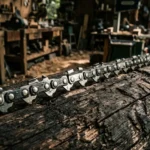
The saw chain is the true hero of the cutting process. It’s a loop of metal links, each featuring specialized cutters, drive links, and rakers (depth gauges). There are different types of chains: full chisel chains offer aggressive, fast cutting for experienced users, while semi-chisel chains are more forgiving and less prone to kickback, making them excellent for general use and dirtier wood. Low profile chains are common on smaller saws for homeowners. The drive links fit into the guide bar’s groove and engage with the sprocket (located near the engine, usually behind the clutch) to propel the chain. Correct chain tension is paramount – too loose, and it can derail; too tight, and it causes excessive wear and robs power. You should be able to pull the chain around the bar easily by hand, and the drive links should still be seated in the bar groove at the bottom.
Your Safety Net: Protecting You While You Work
Working with a chainsaw is inherently dangerous, which is why modern saws are equipped with a suite of critical safety features designed to protect the operator. Understanding these components isn’t just good practice; it’s a non-negotiable part of safe chainsaw operation. Based on my experience, never, ever bypass a safety feature.
The most important safety device is the chain brake. This lever, located in front of the top handle, is designed to stop the chain almost instantly in the event of kickback (when the saw unexpectedly kicks back towards the operator). It can be activated manually by pushing it forward or automatically by inertia during a kickback event. But what if that kickback happens in an instant? The chain brake is your first line of defense, potentially preventing serious injury. Always test your chain brake before each use!
Other vital safety components include the anti-vibration system, which uses springs or rubber dampeners to isolate the handles from the engine, significantly reducing operator fatigue and the risk of developing conditions like HAVS (Hand-Arm Vibration Syndrome). The chain catcher, a small metal or plastic protrusion located just below the guide bar mounting, is designed to catch a broken or derailed chain, preventing it from striking the operator. You also have a throttle lockout, which prevents accidental throttle engagement, and sturdy hand guards (front and rear) to protect your hands from debris and the chain.
Control & Comfort: Operator Interface and Auxiliary Systems
Beyond the power and cutting mechanisms, several other parts contribute to the chainsaw’s overall usability, control, and longevity. These are the components you interact with directly or that support the primary functions.
The handles (front and rear) are where you grip the saw. The rear handle houses the throttle trigger and usually the on/off switch. Many saws also feature a choke for cold starting and a primer bulb to help with fuel delivery. Ergonomics here are key; a well-designed handle system, often paired with an effective anti-vibration system, makes a huge difference in comfort and control during extended cutting sessions.
One often-overlooked but crucial system is the lubrication for the bar and chain. The oil reservoir (separate from the fuel tank on gas saws) holds the bar and chain oil, which is automatically pumped onto the guide bar and chain during operation. This lubrication reduces friction, heat, and wear, significantly extending the life of your bar and chain. Running a saw without adequate bar oil is a surefire way to damage your equipment quickly. Finally, the muffler not only reduces noise but also directs exhaust gases away from the operator. A damaged muffler can lead to increased noise, reduced engine performance, and even fire hazards.
Your Chainsaw, Understood and Mastered
So far we’ve covered the major components, from the powerful engine that drives your cuts to the critical safety features that protect you, and the essential parts that make operation comfortable and efficient. Understanding these individual pieces and how they work together is truly empowering. It gives you the confidence to perform routine maintenance, troubleshoot minor issues, and make informed decisions about your equipment.
Knowing your chainsaw’s parts isn’t just about identifying them; it’s about appreciating the engineering, recognizing potential wear, and taking proactive steps to keep your saw in top condition. Whether you’re checking chain tension, cleaning your air filter, or topping off the bar oil, each small act of maintenance is directly tied to a specific component. This knowledge is what separates a casual user from a truly skilled operator. Make it a habit to inspect your saw before each use, paying attention to these vital parts. By doing so, you’ll ensure your chainsaw from Best Professional Chainsaw continues to serve you safely and reliably for years to come.