Your cordless chainsaw Acting Up? Here's How to Fix It!
cordless chainsaws offer incredible convenience – no gas, no cords, just grab and go. They're fantastic for homeowners and DIYers tackling pruning, limbing, and small-to-medium felling jobs. However, like any piece of power equipment, they can occasionally develop hiccups. Before you panic and head to the repair shop, know that many common cordless chainsaw problems have simple, quick fixes you can do yourself. Let's walk through them like a trusted arborist would.
Before You Start: Safety First!
Whenever you're inspecting or working on your chainsaw, safety is paramount. Always, always:
- Remove the battery: This is your equivalent of unplugging a corded tool or turning off a gas engine. It prevents accidental startups.
- Wear protective gear: Heavy-duty gloves protect your hands from sharp chains and edges. Safety glasses are a must to shield your eyes from debris.
- Work on a stable surface: Ensure the chainsaw is secure and won't roll or fall.
Problem 1: Your Cordless chainsaw won't start or Power On
This is perhaps the most frustrating issue, but often the easiest to resolve.
Is the Battery Charged and Connected?
This might seem obvious, but it's the number one culprit!
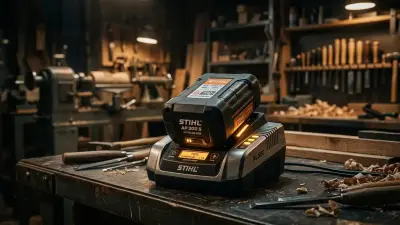
- Check the charge: Most cordless chainsaw batteries (e.g., 20V, 40V, 60V models) have an indicator light. If it's low or empty, pop it onto the charger.
- Properly seated: Ensure the battery is fully pushed into its slot until it clicks securely. A loose connection means no power.
- Try a different battery: If you have another charged battery pack of the same type, try it. This quickly tells you if the issue is with the battery itself or the chainsaw.
- Inspect contacts: Look for dirt, debris, or corrosion on both the battery terminals and the chainsaw's battery contacts. A small brush or cotton swab can clean them.
Check Safety Features
cordless chainsaws are packed with safety mechanisms that can prevent startup if not engaged correctly.
- Chain brake: Is the chain brake pushed forward? This is a crucial safety feature that prevents the chain from spinning. Pull it back towards the handle to disengage it.
- Trigger lock/safety button: You usually need to press a separate safety button or lever before you can squeeze the main trigger. Make sure you're doing this simultaneously.
- Power switch: Some models have a separate on/off power switch in addition to the trigger. Ensure it's in the "on" position.
Overload Protection Tripped?
If you've been working the saw hard, many cordless models have a built-in thermal or overload protection that temporarily shuts down the motor to prevent damage. Allow the saw (and battery) to cool down for 10-15 minutes, then try again.
Problem 2: The Motor Runs, But the Chain Doesn't Move
The saw powers on, but the cutting part isn't doing its job.
Chain Brake Engaged
Again, the chain brake is a common culprit here. It's designed to stop the chain instantly. Make sure it's fully disengaged (pulled back).
Chain Tension Too Tight
If the chain is overtightened, it can bind and prevent the drive sprocket from moving it. Loosen the bar retaining nuts slightly and then adjust the tension. A properly tensioned chain should be snug against the bar, but you should be able to pull it freely around the bar with your gloved hand. It shouldn't droop from the bottom of the bar.
Debris Jamming the Chain
Wood chips, sawdust, and even small pieces of bark can pack into the sprocket cover area or the bar groove, seizing the chain. Remove the sprocket cover and carefully clear out any debris. Use a screwdriver or a small brush to clean the bar groove thoroughly.
Problem 3: Poor Cutting Performance or Saw Stops Mid-Cut
Your saw is working, but not effectively, or it's giving up halfway through a cut.
Dull or Damaged Chain
This is probably the most frequent cause of poor cutting! A dull chain will produce fine sawdust instead of coarse chips, push hard against the wood without cutting, and might even smoke or burn the wood. It can also cause the saw to pull to one side.
- Sharpen or replace: Learn to sharpen your chain with a round file (matching your chain's pitch, often 4.0mm or 4.5mm) or take it to a professional. If teeth are missing or severely damaged, it's time for a new chain. Always ensure your depth gauges (rakers) are properly filed down too.
Insufficient Chain Lubrication
The chain and bar need a constant supply of bar oil to reduce friction and heat. Without it, the chain drags, overheats, and cuts poorly.
- Check oil reservoir: Is it full of dedicated bar oil? Never use motor oil or other substitutes.
- Perform the "bar oil test": With the saw running (safely away from anything), hold the tip of the bar about 6 inches from a light-colored surface (like concrete). A thin line of oil should be flung from the chain. If not, the oil port might be clogged.
- Clean oil port: Remove the bar and chain, and clean the oil delivery hole on the saw body and the oil channels on the guide bar.
Incorrect Chain Tension
As mentioned before, too loose and the chain can derail; too tight and it causes excessive friction, heat, and poor cutting. Re-adjust your chain tension to the manufacturer's specifications.
Low Battery Power
Even if the saw starts, a low battery won't deliver enough torque for efficient cutting, especially on tougher wood. It will bog down easily or stop altogether. Swap it out for a fully charged battery.
Problem 4: Chainsaw Overheats
An overheating saw can be dangerous and indicates underlying issues.
Overworking the Saw
cordless chainsaws, while powerful, have limits. Don't try to force the saw through wood larger than its recommended capacity (e.g., don't try to fell a 12-inch tree with an 8-inch bar). Let the chain do the work, and don't push too hard. Take breaks to allow the motor and battery to cool.
Dull Chain and Insufficient Lubrication
These two are major contributors to overheating. Increased friction from a dull chain and lack of oil generates excessive heat. Address these issues first.
Blocked Cooling Vents
Sawdust and debris can block the motor's cooling vents, preventing proper airflow. Regularly clean these vents with a brush or compressed air.
When to Call a Professional
If you've gone through all these steps and your cordless chainsaw is still giving you trouble, it might be time for a professional diagnosis. Issues like internal motor problems, faulty electronics, or persistent battery charging problems usually require specialized tools and expertise. Don't attempt complex internal repairs unless you're truly knowledgeable and comfortable doing so.
Conclusion
Most common cordless chainsaw problems are minor and easily fixable with a little troubleshooting and basic maintenance. By keeping your battery charged, your chain sharp, and your saw clean and lubricated, you'll ensure your cordless workhorse is always ready to tackle your next wood-cutting project safely and efficiently. Happy cutting!