
Stepping into the world of battery-powered chainsaws can feel like a breath of fresh air after years of wrestling with pull cords, mixing fuel, and dealing with the roar of gas engines. These cordless wonders offer incredible convenience, quieter operation, and significantly less maintenance, making them increasingly popular for homeowners, DIY enthusiasts, and even some professionals. But with so many options out there, how do you cut through the noise and find the one that’s truly right for you?
Table Of Content
- Embracing the Cordless Revolution: Why Battery Chainsaws?
- Key Advantages of Battery Chainsaws
- Understanding Power and Performance: What Do the Numbers Mean?
- Bar Length and Chain Type: The Cutting Edge
- Matching the Saw to Your Tasks: What Will You Be Cutting?
- 1. Light-Duty Pruning and Trimming (Small Branches, Shrubs)
- 2. Medium-Duty Yard Work (Firewood, Limb Removal)
- 3. Heavy-Duty Landowner Tasks (Felling Small Trees, Significant Firewood Production)
- Beyond Power: Other Crucial Features and Considerations
- Ergonomics and Weight
- Safety Features
- Charger Speed and System Compatibility
- Brushless Motor Technology
- What to Watch Out For & Common Mistakes
- 1. Underestimating Battery Needs
- 2. Neglecting Chain Maintenance
- 3. Ignoring Safety Gear
- 4. Overloading the Saw
- A Quick Comparison Table of Common Battery Chainsaw Types
- Frequently Asked Questions
- Does higher voltage mean more power?
- How long do battery chainsaw batteries last?
- Can battery chainsaws replace gas models?
Embracing the Cordless Revolution: Why Battery Chainsaws?
For decades, gas chainsaws were the undisputed kings of the forest, offering unmatched power and run time. However, battery technology has advanced at a furious pace, closing the gap significantly. Modern cordless chainsaws are now capable of tackling tasks that were once exclusively the domain of their gasoline counterparts, all without the fumes, the noise, or the messy fuel. They’re a game-changer for anyone who values ease of use and environmental friendliness.
I’ve seen firsthand how homeowners, especially, are gravitating towards these machines. Imagine this situation: you’ve got a couple of storm-damaged branches to clear after work, maybe a small tree limb that’s been bothering you. Instead of fiddling with a reluctant pull-start engine, you simply grab your battery chainsaw, pop in a charged battery, and get to work. No warm-up, no choking, just instant power. That immediate readiness and reduced hassle are, in my opinion, their biggest selling points.
Key Advantages of Battery Chainsaws:
- Instant Start: No pull cords, no fuel mix, just press a button.
- Reduced Noise: Significantly quieter than gas models, making them more neighbor-friendly.
- Zero Emissions: Better for your lungs and the environment.
- Lower Maintenance: No spark plugs to clean, no air filters to replace as frequently, no carburetor issues.
- Lightweight & Maneuverable: Often lighter than gas saws, reducing fatigue.
Understanding Power and Performance: What Do the Numbers Mean?
When you’re comparing battery chainsaws, you’ll primarily see two numbers thrown around: Voltage (V) and amp-hours (Ah). These are crucial for understanding a saw’s potential, and honestly, they’re not as complicated as they might seem.
Voltage (V): Think of voltage as the chainsaw’s muscle – it dictates the raw power and cutting speed. Higher voltage typically means more power, which translates to quicker cuts through denser wood and the ability to handle larger tasks. You’ll find saws ranging from 20V for very light-duty pruning up to 80V or even 120V for serious cutting. For most homeowners, a 40V or 60V system offers a fantastic balance of power and versatility.
Amp-hours (Ah): This number tells you about the battery’s fuel tank – its capacity and how long it can run on a single charge. A higher Ah rating means longer run time. For example, a 4.0 Ah battery will generally last twice as long as a 2.0 Ah battery of the same voltage. When you’re tackling bigger jobs, having a higher Ah battery (or a spare!) is absolutely essential to avoid frustrating interruptions.
Let me add something here: it’s not just about the numbers themselves, but how they work together within a specific brand’s system. A well-engineered 40V system from a top brand like Stihl or Husqvarna might outperform a generic 60V saw. Always look at reviews and real-world performance tests, like those we feature on Best Professional Chainsaw, to get the full picture.
Bar Length and Chain Type: The Cutting Edge
The bar length is another critical factor. This is the usable length of the saw’s cutting bar, measured from the tip of the bar to where it enters the saw’s housing. It directly influences the size of the material you can cut. Most battery chainsaws come with bars ranging from 8 inches for pruning up to 18 inches for felling small to medium trees. For general yard work, a 12-inch or 14-inch bar is often sufficient.
As for the Chain Type, most battery chainsaws come with a “low profile” or “full chisel” chain designed for reduced kickback, which is a big safety feature, especially for beginners. However, some higher-powered models might offer more aggressive chains for faster cutting. Always ensure your chain is sharp and properly tensioned for optimal performance and safety.
Matching the Saw to Your Tasks: What Will You Be Cutting?
Before you even think about brands or specific models, take a hard look at what you plan to do with your chainsaw. Are you just trimming small branches, or do you have fallen trees to buck up? This clarity will guide your choice of power, bar length, and ultimately, the right tool.
1. Light-Duty Pruning and Trimming (Small Branches, Shrubs)
For these tasks, you don’t need a beast. A smaller, lighter battery chainsaw will be much more comfortable and maneuverable.
- Recommended Voltage: 20V – 40V
- Recommended bar length: 8-12 inches
- Typical Battery Capacity: 2.0 Ah – 4.0 Ah
- Examples: DeWalt 20V MAX XR Compact Chainsaw, Ryobi 18V ONE+ HP Brushless Pruning Chainsaw.
- Ideal For: Pruning shrubs, clearing brush, cutting small limbs up to 6-8 inches in diameter.
2. Medium-Duty Yard Work (Firewood, Limb Removal)
This is where most homeowners fall. You’ll need more power and run time to handle larger branches and prepare firewood.
- Recommended Voltage: 40V – 60V
- Recommended Bar Length: 12-16 inches
- Typical Battery Capacity: 4.0 Ah – 6.0 Ah (consider a second battery)
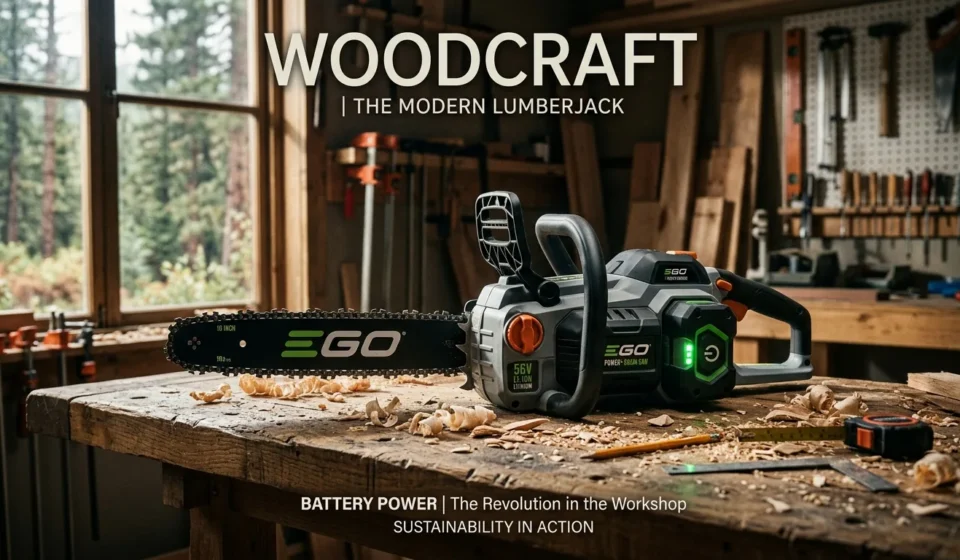
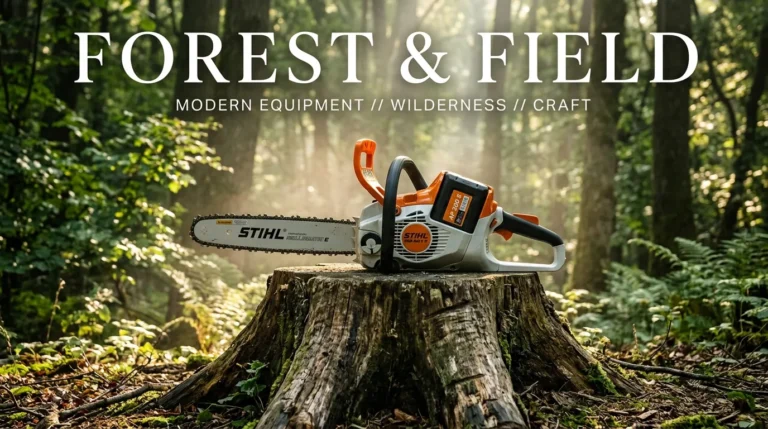
- Examples: Greenworks Pro 60V 16-inch Chainsaw, Ego Power+ CS1604 (56V 16-inch), Stihl MSA 220 C-B (with AP 300 S battery).
- Ideal For: Felling very small trees (under 10 inches), bucking firewood, clearing storm debris, regular limb removal up to 12-14 inches in diameter.
3. Heavy-Duty Landowner Tasks (Felling Small Trees, Significant Firewood Production)
If you have acreage or a lot of wood to process, you’ll need a battery chainsaw that truly rivals gas performance. These models often come with larger batteries and more robust construction.
- Recommended Voltage: 60V – 80V (or higher)
- Recommended Bar Length: 16-18 inches
- Typical Battery Capacity: 6.0 Ah – 12.0 Ah (multiple batteries are a must)
- Examples: Husqvarna 540i XP (36V with high-capacity batteries), Greenworks Pro 80V 18-inch Chainsaw, DeWalt FLEXVOLT 60V MAX 16-inch Chainsaw.
- Ideal For: Felling small to medium trees (up to 16 inches), extensive firewood cutting, clearing large areas.
Beyond Power: Other Crucial Features and Considerations
So far we’ve covered the power and task matching. Now let’s get to the really critical points that improve your experience and safety.
Ergonomics and Weight
A chainsaw’s weight and balance are incredibly important, especially if you’re going to be using it for extended periods. A lighter saw reduces fatigue and makes it easier to control, which in turn reduces the risk of accidents. Pick up the saw (if possible) and see how it feels in your hands. Does it feel balanced? Are the handles comfortable? Remember, a heavy saw with a large battery might be powerful, but it could tire you out quickly.
Safety Features
Never compromise on safety. Look for essential features like:
- Chain Brake: This is a critical safety device that stops the chain instantly in the event of kickback. It can be activated manually or automatically.
- Hand Guard: Protects your leading hand from the chain if it derails or breaks.
- Trigger Lock-Out: Prevents accidental starting of the saw.
- Low Kickback Chain and Bar: These are designed to reduce the force of kickback, which is a sudden, violent upward and backward movement of the chainsaw.
Charger Speed and System Compatibility
A fast charger can be a huge time-saver. Some chargers can replenish a battery in less than an hour, while others take several. Also, consider if the battery system is compatible with other tools you own or plan to buy from the same brand. Many manufacturers offer entire lines of outdoor power equipment that share the same battery platform (e.g., DeWalt 20V MAX, Ego Power+, Ryobi ONE+). This can save you money and reduce clutter.
Brushless Motor Technology
Many modern battery chainsaws boast “brushless motors.” This isn’t just marketing jargon; it’s a significant upgrade. Brushless motors are more efficient, generate less heat, last longer, and deliver more power than older brushed motors. If your budget allows, always opt for a brushless model.
What to Watch Out For & Common Mistakes
Even with the best battery chainsaw, pitfalls exist. Here are a few things to keep in mind:
1. Underestimating Battery Needs
A common mistake is buying a saw with insufficient battery capacity or not having a spare. Imagine you’re halfway through a big project, and your battery dies. Frustrating, right? For any task beyond quick pruning, having at least two fully charged, high-Ah batteries is almost mandatory. Chargers can be slow, and waiting for a recharge breaks your workflow.
2. Neglecting Chain Maintenance
A dull chain is a dangerous and inefficient chain, regardless of whether it’s on a gas or battery saw. It forces the motor to work harder, drains batteries faster, and produces poor cuts. Always keep your chain sharp and properly tensioned. You can learn more about this in our “How to Maintain a Chainsaw Like a Pro” guide on Best Professional Chainsaw.
3. Ignoring Safety Gear
Battery chainsaws are quieter and have no fumes, which can sometimes lead to a false sense of security. They are still powerful cutting tools. Always wear appropriate personal protective equipment (PPE): safety glasses, hearing protection, gloves, chainsaw chaps, and a hard hat.
4. Overloading the Saw
Trying to cut wood that’s too thick for your saw’s power and bar length will quickly drain the battery and could damage the motor. Be realistic about your saw’s capabilities and choose the right tool for the job.
A Quick Comparison Table of Common Battery Chainsaw Types:
| Feature | Light-Duty (20V-40V) | Medium-Duty (40V-60V) | Heavy-Duty (60V-80V+) |
|---|---|---|---|
| Bar Length Range | 8-12 inches | 12-16 inches | 16-18+ inches |
| Typical Ah Range | 2.0-4.0 Ah | 4.0-6.0 Ah | 6.0-12.0+ Ah |
| Motor Type | Brushed or Brushless | Mostly Brushless | Exclusively Brushless |
| Target Tasks | Pruning, small limb removal | Firewood, limb removal, small tree felling | Heavy firewood, medium tree felling |
| Approx. Runtime (single battery) | 20-40 minutes | 30-60 minutes | 45-90+ minutes |
Frequently Asked Questions
Does higher voltage mean more power?
Generally, yes. Higher voltage directly correlates with more raw power and faster cutting speeds, allowing the saw to tackle larger and denser wood with greater ease.
How long do battery chainsaw batteries last?
Battery run time varies greatly with amp-hour (Ah) rating, voltage, and cutting intensity. Light pruning might offer an hour, while heavy cutting could deplete a battery in 20-30 minutes.
Can battery chainsaws replace gas models?
For most homeowners and many landowners, yes, absolutely. Modern high-voltage battery chainsaws can handle tasks that once required gas, offering convenience without sacrificing significant power.
Choosing the best battery chainsaw is all about understanding your needs and matching them to the right tool. By focusing on voltage, amp-hours, bar length, and essential features, you can confidently select a cordless chainsaw that will serve you reliably for years to come. Take your time, do your research, and prioritize safety. Happy cutting!