In the evolving world of outdoor power equipment, cordless chainsaws have emerged as a powerful, convenient, and environmentally friendlier alternative to their gas-powered counterparts. However, navigating the landscape of battery-powered options can be confusing, particularly when faced with terms like 40V cordless chainsaw, 60V cordless chainsaw, and 80V cordless chainsaw. Understanding the distinctions in voltage is absolutely crucial to selecting the right tool for your specific cutting needs.
As a seasoned professional in outdoor power equipment, I've seen countless users either underbuy, leading to frustration, or overbuy, resulting in unnecessary expense and weight. My goal today is to demystify these voltage ratings, explain what they truly mean for performance, and guide you toward making an informed decision that will serve you well for years to come on your property or job site.
Unpacking the Voltage: What Do Those Numbers Really Mean?
When you see "40V," "60V," or "80V" on a cordless chainsaw, you're looking at the nominal voltage of its battery pack. This voltage is a primary indicator of the raw power potential of the saw's motor. Think of voltage like water pressure in a hose: higher pressure means more force to push the water, or in our case, more electrical force to drive the motor and ultimately, the chain through wood. A higher voltage generally allows a motor to draw more current and produce greater torque, which translates directly into increased cutting speed and the ability to tackle larger, harder wood.
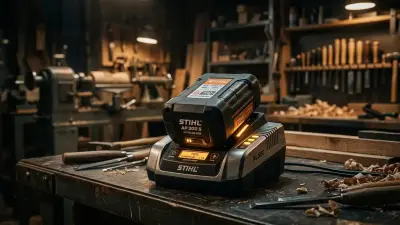
However, voltage alone doesn't tell the whole story. The battery's amp-hour (Ah) rating is equally important, as it indicates the battery's capacity or how much "water" is in the tank. A 40V 4.0Ah battery has a total energy capacity of 160 Watt-hours (Wh), while an 80V 2.0Ah battery also has 160 Wh. While both have the same total energy, the 80V battery delivers that energy with more pressure (voltage), allowing for more demanding work, albeit potentially for a shorter duration if the Ah is lower. This combination of voltage and amp-hours defines the overall potential of a battery chainsaw voltage system.
It’s a common misconception that more voltage simply means longer run time. Not necessarily. Higher voltage often means more instantaneous power for tougher cuts, but the actual duration of that power depends heavily on the battery’s amp-hour rating and the demands of the cutting task. A larger Ah battery, regardless of voltage, will generally provide a longer run time for a given task. So, while voltage is about raw power, amp-hours are about endurance. Understanding this relationship is fundamental to grasping cordless chainsaw power.

The Nimble Performer: Understanding the 40V Cordless Chainsaw (2026)
The 40V cordless chainsaw typically represents the entry point into the world of battery-powered wood cutting for many homeowners and DIY enthusiasts. These saws are designed with portability, ease of use, and light-duty tasks in mind. They are generally lighter and more compact than their higher-voltage counterparts, making them ideal for users who prioritize maneuverability and don't need to tackle incredibly demanding jobs.
You'll commonly find 40V chainsaws equipped with bar lengths ranging from 8 to 12 inches, perfect for tasks such as pruning small branches, clearing brush, processing small logs for kindling, or tidying up after a light storm. For example, imagine this situation: a sudden gust of wind has brought down several small limbs onto your driveway, ranging from 2 to 4 inches in diameter. Reaching for a heavy gas saw for such a task would be overkill and frankly, inconvenient. A 40V unit, like the Ryobi 40V HP Brushless 12-inch chainsaw, is incredibly easy to grab and get to work quickly, without the fuss of mixing fuel or pulling a starter cord repeatedly.
The benefits of a 40V system extend beyond just their cutting capacity. They are significantly quieter than gas saws, produce zero emissions, and require minimal maintenance – no spark plugs, no carburetors, just keeping the chain sharp and oiled. While they may not offer the brute force for felling substantial trees, their accessibility and convenience make them the best battery chainsaw for homeowners who need a reliable tool for occasional, lighter work. Their primary limitation is their inability to sustain heavy cutting or tackle logs with diameters much beyond 8-10 inches effectively; attempting to do so will quickly drain the battery and potentially strain the motor.
The Versatile Workhorse: Stepping Up to 60V Cordless Chainsaws (2026)
Moving up the voltage scale, the 60V cordless chainsaw occupies a sweet spot, offering a significant jump in power and capability without sacrificing too much in terms of weight and maneuverability. These saws are often considered the versatile workhorses of the battery-powered world, bridging the gap between light residential tasks and more substantial property maintenance.
With typical bar lengths ranging from 12 to 16 inches, 60V models are well-suited for more demanding tasks than their 40V brethren. They can handle limbing larger branches, bucking medium-sized logs for firewood (up to 12-14 inches in diameter), and even felling smaller trees. Brands like DeWalt with their 60V MAX Flexvolt series or Stihl with models like the MSA 220 C-B, offer impressive cutting performance that can genuinely challenge some smaller gas saws. I've personally seen these saws make quick work of tasks that would bog down a 40V unit, demonstrating their increased torque and chain speed.
The balance of power and runtime in a 60V system makes it an excellent choice for landowners who need more than just occasional pruning but aren't yet ready to commit to a full-blown gas saw. They offer good stamina, especially when paired with higher amp-hour batteries (e.g., 6.0 Ah or 9.0 Ah), allowing for sustained work sessions. While heavier than 40V models, they are still generally lighter and easier to start than comparable gas saws, making them less fatiguing for extended use. To be fair, they still won't compete with a professional 50cc gas saw for all-day felling, but for most medium-duty residential and property management tasks, they are incredibly competent.
Unleashing Serious Power: The 80V (and Beyond) Cordless Chainsaws (2026)
For those requiring true gas-like performance in a battery-powered package, the 80V cordless chainsaw, and even 120V or dual-battery systems (e.g., 2x 40V), stand ready. These saws are designed to tackle the toughest jobs, offering the highest level of cordless chainsaw power available. They are aimed at serious homeowners, small landowners, and even some professionals who need to perform heavy-duty cutting without the noise, emissions, and maintenance hassles of traditional gas saws.
You'll typically find 80V chainsaws sporting bar lengths of 16 to 18 inches, with some models even pushing 20 inches, putting them squarely in the territory of many mid-range gas chainsaws. These beasts are capable of felling small to medium-sized trees (up to 16-18 inches in diameter), bucking large logs for firewood, and handling extensive cleanup tasks after major storms. Models like the Greenworks Pro 80V or the EGO Power+ 80V chainsaws are renowned for their aggressive cutting speed and ability to power through dense hardwoods, thanks to their robust motors and high-voltage battery systems.
The primary benefit of an 80V system is its ability to deliver sustained high power, reducing bogging down even under heavy load. This means faster, more efficient cuts and less user fatigue from fighting the saw. However, this power comes with a trade-off: 80V batteries are larger, heavier, and generally more expensive. The saws themselves are also heavier than their lower-voltage counterparts, meaning they require a stronger operator for extended periods. But for those who demand significant performance from a battery saw and want to minimize their reliance on gasoline, these are undoubtedly the best choice for heavy-duty battery chainsaw tasks, offering an experience remarkably close to a professional gas saw.
Beyond Voltage: Critical Factors for Cordless Chainsaw Performance
While voltage is a major differentiator, it's not the only factor to consider when evaluating cordless chainsaws. A truly effective cutting tool is a sum of its parts, and several other specifications play a crucial role in overall performance and user experience. Overlooking these details can lead to disappointment, regardless of the voltage rating.
- Amp-Hours (Ah) & Watt-Hours (Wh): As briefly mentioned, the Ah rating of the battery indicates its capacity. A higher Ah battery provides longer runtimes. Always look at the total Watt-hours (Voltage x Ah) for a comprehensive understanding of the battery's energy storage. For instance, an 80V 2.5Ah battery (200Wh) will generally offer comparable run time to a 40V 5.0Ah battery (200Wh) on similar tasks, though the 80V will likely deliver more immediate power.
- Motor Type: Most quality cordless chainsaws today feature brushless motors. These motors are more efficient, generate less heat, have a longer lifespan, and provide more power and torque than older brushed motor designs. If a chainsaw doesn't specify "brushless," it's likely using an inferior brushed motor.
- Bar Length and Chain Type: A chainsaw's bar length dictates the maximum diameter it can cut in a single pass. While voltage enables power, the bar length defines the practical limit. Match your bar length to your typical cutting tasks. Furthermore, the chain type (e.g., low-kickback, full chisel, semi-chisel) also significantly impacts cutting aggressiveness and safety. Ensure the chain matches the saw's power and your experience level.
- Ergonomics and Weight: Even the most powerful saw is useless if you can't comfortably operate it. Pick up the saw, feel its balance, and consider its weight, especially with the battery installed. A lighter saw reduces fatigue during extended use, which is a major benefit for homeowner-grade work.
- Battery Platform Compatibility: Many manufacturers offer entire ecosystems of tools that share the same battery platform. If you already own 40V string trimmers, leaf blowers, or lawnmowers from a specific brand, buying a chainsaw from the same brand means you can interchange batteries, saving money and reducing clutter. This is a significant advantage of investing in a particular battery chainsaw voltage system.
Making Your Choice: Matching Power to Purpose
So, how do you decide which voltage is right for you? It boils down to a clear understanding of your typical cutting tasks and frequency of use. Honestly, the best chainsaw for you isn't always the most powerful or the most expensive; it's the one that most efficiently and comfortably handles the work you actually do.
Consider the following scenarios: If you only need to trim small branches, clear light storm debris a few times a year, or manage light pruning, a 40V cordless chainsaw will be more than sufficient. You'll appreciate its lighter weight and lower cost. For those with larger properties, who regularly cut firewood from smaller logs, limb trees, or clear significant brush, a 60V cordless chainsaw offers the ideal blend of power and practicality. It provides the muscle for more demanding tasks without the bulk and expense of an 80V unit. Finally, if you're felling small to medium trees, bucking substantial logs, or performing extended, heavy-duty work where gas-like power is essential, then an 80V cordless chainsaw (or even a multi-battery system) is the investment you should seriously consider.
Here’s a quick overview to help you compare the primary differences:
| Feature | 40V Cordless Chainsaw | 60V Cordless Chainsaw | 80V Cordless Chainsaw |
|---|---|---|---|
| Typical Tasks | Light pruning, small branch cleanup (up to 6"), kindling | Limbing, medium-sized firewood (up to 12-14"), small tree felling | Heavy-duty felling (up to 16-18"), large log bucking, sustained work |
| Common Bar Lengths | 8-12 inches | 12-16 inches | 16-20 inches |
| Power Level | Good for light duty, basic homeowner tasks | Very good, versatile, mid-range gas equivalent | Excellent, high-end gas equivalent (for smaller saws) |
| Weight & Ergonomics | Lightest, most maneuverable | Moderate weight, good balance | Heaviest, requires more strength |
| Typical Runtime (with common Ah) | Shorter on demanding cuts, good for intermittent use | Balanced, good for moderate work sessions | Longer on heavy cuts (with higher Ah batteries) |
| Cost (Saw & Battery) | Lowest entry point | Mid-range | Highest investment |
What to Watch Out For When Buying a Cordless Chainsaw
The cordless chainsaw market is booming, which means there are many options, but also potential pitfalls. As a professional, I've learned that not all marketing claims translate to real-world performance. One crucial aspect to consider is the battery system. Some brands have proprietary battery designs, effectively locking you into their ecosystem. While this can be convenient if you have other tools from the same brand, it can also limit your options for future upgrades or replacements. Always check the cost and availability of spare batteries, as these are often the most expensive component of the entire kit.
Another point of vigilance is charger speed. While a powerful chainsaw is great, a slow charger can significantly impact your productivity. Look for models that offer fast-charging capabilities, especially if you plan on extended work sessions requiring multiple battery swaps. A 4.0Ah battery that takes 4 hours to charge is far less practical than one that charges in 60-90 minutes. Finally, always differentiate between "bare tool" prices and "kit" prices. A bare tool might look incredibly cheap, but once you factor in the cost of a battery and charger, the total investment can be substantially higher. Always compare apples to apples when looking at the overall value.
Common Mistakes to Avoid with Cordless Chainsaws
Even with the right voltage, mistakes can hinder performance and compromise safety. Based on my experience, here are some common missteps I've observed:
- Underestimating Battery Needs: Many beginners buy a saw with a single, small capacity battery (e.g., 2.0 Ah), only to find it doesn't last long enough for their tasks. Always consider purchasing at least two batteries, especially for 60V and 80V saws, or opting for higher Ah batteries (e.g., 4.0 Ah, 6.0 Ah) to ensure uninterrupted work.
- Neglecting Chain Sharpening: A dull chain is inefficient and dangerous, regardless of the chainsaw's voltage. It forces the motor to work harder, drains the battery faster, and can lead to kickback. Always ensure your chain is razor-sharp. If you're unsure how, consult our guide on How to Sharpen a Chainsaw Chain.
- Forcing the Cut: Battery chainsaws, especially lower voltage models, are not designed to be forced through wood. Let the saw do the work. If it's bogging down, it's either too dull, the wood is too hard for its power level, or you're pushing too hard. Forcing it will only damage the motor and drain the battery.
- Ignoring Bar Oil: Like any chainsaw, cordless models require continuous lubrication of the bar and chain. Running without adequate bar oil will quickly damage your equipment, leading to premature wear of the bar, chain, and sprocket. Always check your bar oil reservoir before starting.
- Improper Storage: Leaving batteries fully charged or fully depleted for extended periods can shorten their lifespan. Store lithium-ion batteries at around 50-70% charge in a cool, dry place when not in use. This simple practice can significantly extend the overall life of your investment.
Frequently Asked Questions
Is higher voltage always better?
Not necessarily. Higher voltage means more power for tougher cuts, but it also typically means heavier saws and batteries, and a higher cost. The "better" voltage depends entirely on your specific cutting tasks and how often you'll be using the chainsaw.
How long do battery chainsaw batteries last?
Battery life (runtime) depends on the battery's amp-hour (Ah) rating, the chainsaw's voltage, and the difficulty of the cutting task. For light pruning, a 40V 2.5Ah battery might last an hour, while an 80V 5.0Ah battery tackling dense wood might last 30-45 minutes of continuous cutting, but much longer with intermittent use.
Can an 80V chainsaw replace a gas saw?
For many homeowners and even some professionals, an 80V (or higher) cordless chainsaw can indeed replace a mid-range gas saw for tasks like felling smaller trees, bucking firewood, and extensive limbing. They offer comparable power and speed without the noise, emissions, and maintenance of gas, making them a very compelling alternative.
Choosing the right cordless chainsaw voltage is about aligning power with purpose. By understanding the capabilities and limitations of 40V, 60V, and 80V systems, along with other critical factors like battery capacity and motor type, you can confidently select a tool that will empower you to tackle your woodcutting tasks safely, efficiently, and effectively for years to come. Invest wisely, prioritize safety, and happy cutting!