
Introduction to Leaf Blowers and Their Importance
As a homeowner or a DIY enthusiast, you understand the importance of keeping your yard clean and tidy, especially after a long day of cutting wood with your chainsaw. A good leaf blower can make quick work of clearing debris, saving you time and energy. But with so many options on the market, it can be overwhelming to choose the right one for your needs. You may ask yourself, what features should I look for in a leaf blower? What type of leaf blower is best for my yard? In this section, we will explore the world of leaf blowers and their importance in yard work.
Table Of Content
- Introduction to Leaf Blowers and Their Importance
- Types of Leaf Blowers and Their Characteristics
- Handheld Leaf Blowers
- Features to Consider When Choosing a Leaf Blower
- Engine Power and Air Speed
- Top Leaf Blower Models for Clearing Wood Debris
- Backpack Leaf Blowers
- Tips and Tricks for Using a Leaf Blower Effectively
- Best Practices for Leaf Blower Use
Leaf blowers have come a long way since their inception, and today, they are an essential tool for any homeowner or gardener. They are not only used for blowing leaves but also for clearing debris, such as twigs, pine needles, and even snow. With the right leaf blower, you can keep your yard looking neat and tidy, and also improve your overall outdoor experience. For example, the Husqvarna 350BT is a popular backpack leaf blower that is known for its powerful engine and high air speed, making it perfect for large yards and heavy debris.
According to a survey by the National Gardening Association, 77% of households in the United States have a yard, and 63% of those households use a leaf blower to maintain their yard. This statistic shows the importance of leaf blowers in yard work and the need to choose the right one for your needs. So, let’s dive into the world of leaf blowers and explore the different types, features, and benefits they offer.
Types of Leaf Blowers and Their Characteristics
Handheld Leaf Blowers
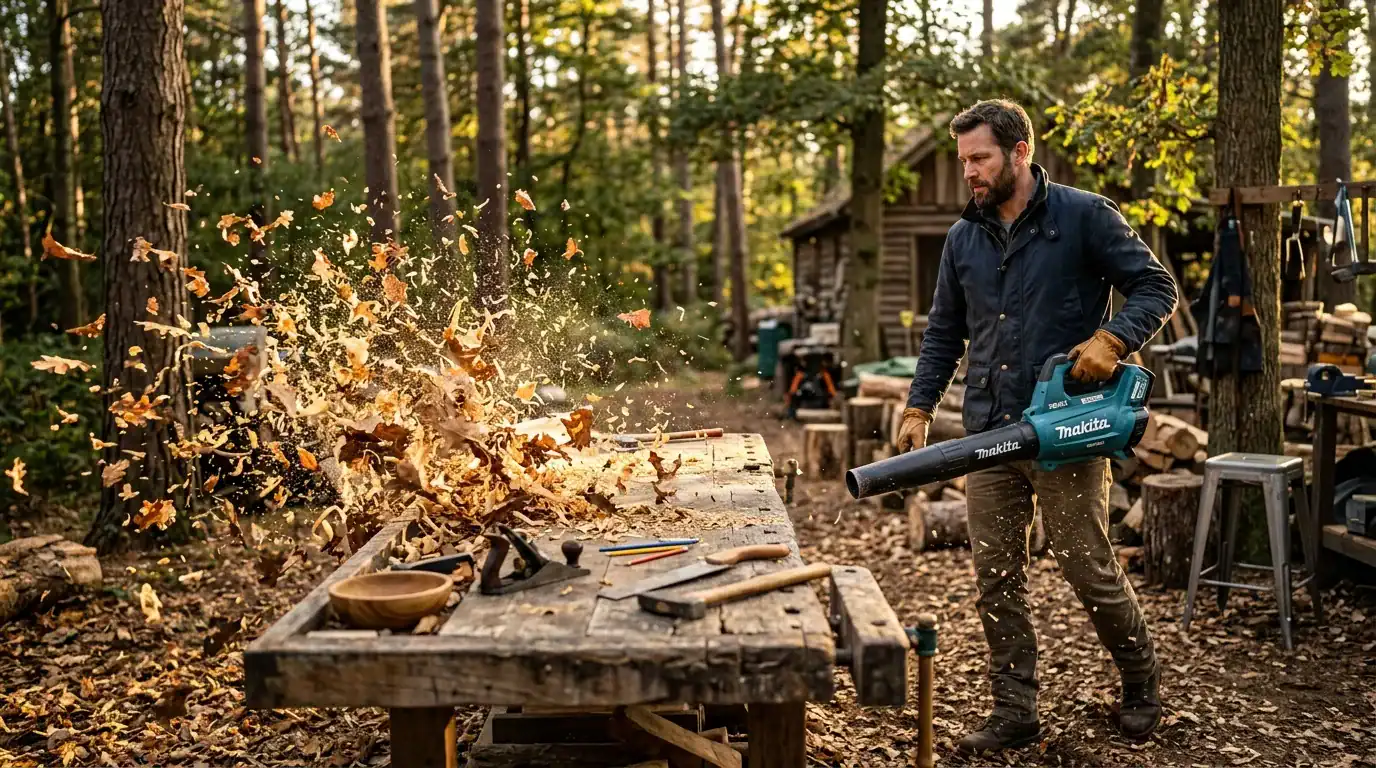
Handheld leaf blowers are the most popular type of leaf blower, and they are perfect for small to medium-sized yards. They are lightweight, easy to maneuver, and relatively inexpensive. Handheld leaf blowers are usually powered by a gas engine or an electric motor and have a blowing capacity of up to 200 mph. For example, the GreenWorks GMAX 40V is a lightweight and eco-friendly handheld leaf blower that is perfect for small yards and light debris.
One of the main advantages of handheld leaf blowers is their portability and ease of use. They are perfect for quick cleanups and are usually lightweight enough to be used for extended periods. However, they may not be as powerful as other types of leaf blowers, and they may not be suitable for large yards or heavy debris. When choosing a handheld leaf blower, consider the size of your yard, the type of debris you need to clear, and the weight and ergonomics of the blower.
Some popular handheld leaf blower models include the Black+Decker LSW36 and the Worx WG520. These models are known for their high air speed, lightweight design, and affordable price. When shopping for a handheld leaf blower, look for features such as a comfortable grip, a balanced design, and a powerful engine or motor.
Features to Consider When Choosing a Leaf Blower
Engine Power and Air Speed
When choosing a leaf blower, one of the most important features to consider is the engine power and air speed. The engine power is usually measured in cubic centimeters (cc) or volts (for electric models), and the air speed is measured in miles per hour (mph). A higher engine power and air speed will result in a more efficient and effective leaf blower. For example, a leaf blower with a 50.2 cc engine and 180 mph air speed, such as the Husqvarna 350BT, will be more powerful and effective than a leaf blower with a 25.4 cc engine and 120 mph air speed.
Another important feature to consider is the weight and ergonomics of the leaf blower. A lightweight and ergonomic design will make it easier to use the leaf blower for extended periods, reducing fatigue and improving overall performance. Look for features such as a comfortable grip, a balanced design, and a padded harness (for backpack leaf blowers). When shopping for a leaf blower, consider your physical abilities and the size of your yard to ensure you choose a model that is comfortable and easy to use.
In addition to engine power and air speed, other features to consider include the type of fuel used, the noise level, and any additional features such as vacuum capabilities or mulching functions. Some leaf blowers, such as the Stihl BR 700, come with a variety of attachments and accessories, including a vacuum kit and a mulching kit. These features can improve the overall performance and versatility of the leaf blower, making it a more valuable investment for your yard work needs.
Top Leaf Blower Models for Clearing Wood Debris
Backpack Leaf Blowers
Backpack leaf blowers are the most powerful type of leaf blower and are perfect for large yards and heavy debris. They are usually powered by a gas engine and have a blowing capacity of up to 250 mph. Backpack leaf blowers are more expensive than handheld leaf blowers but offer more power and versatility. For example, the Stihl BR 700 is a high-performance backpack leaf blower with a 64.8 cc engine and 200 mph air speed, making it perfect for large yards and heavy commercial use.
Some popular backpack leaf blower models include the Husqvarna 350BT and the Echo PB-580T. These models are known for their high air speed, powerful engines, and comfortable designs. When shopping for a backpack leaf blower, consider the size of your yard, the type of debris you need to clear, and the weight and ergonomics of the blower.
When choosing a leaf blower, it’s also important to consider the maintenance and upkeep requirements. Look for models with easy-to-access air filters, spark plugs, and other components to make maintenance easier. Additionally, consider the warranty and customer support offered by the manufacturer to ensure you have help when you need it. By choosing the right leaf blower and following proper maintenance and upkeep procedures, you can keep your yard looking its best and improve your overall outdoor experience.
Tips and Tricks for Using a Leaf Blower Effectively
Best Practices for Leaf Blower Use
Using a leaf blower effectively requires some technique and best practices. One of the most important things to remember is to always wear protective gear, including gloves, safety glasses, and a dust mask. This will protect you from debris and dust kicked up by the leaf blower. Additionally, make sure to clear the area of any obstacles, such as rocks or toys, to prevent damage to the leaf blower or injury to yourself.
Another important tip is to use the leaf blower in a pattern, such as in a grid or in a circular motion, to ensure that all debris is cleared. This will also help to prevent missing any spots and reduce the amount of time spent using the leaf blower. When using a leaf blower, it’s also important to be mindful of your surroundings, including nearby plants, flowers, and other landscaping features. By following these best practices and using your leaf blower effectively, you can keep your yard looking its best and improve your overall outdoor experience.
Finally, consider the environmental impact of your leaf blower use. Look for models with low emissions and noise levels, and consider using electric or battery-powered leaf blowers, which are more environmentally friendly. By choosing the right leaf blower and using it responsibly, you can reduce your environmental footprint and keep your yard looking its best. With the right leaf blower and a little practice, you can become a pro at clearing debris and keeping your yard tidy, making your outdoor experience more enjoyable and stress-free.