

Introduction to Chainsaw Sharpening
As a chainsaw enthusiast, you know that a sharp chain is essential for efficient and safe cutting. A dull chain can lead to increased pressure, kickback, and even damage to your saw. Hand filing your Chainsaw Chain is a fundamental skill that every chainsaw user should master. Not only will it save you time and money, but it will also improve your overall cutting experience. In this guide, we’ll walk you through the process of hand filing your chainsaw chain, from understanding the signs of a dull chain to choosing the right filing tools.
Table Of Content
So, why is sharpening your chainsaw chain so important? For starters, a sharp chain produces clean, uniform wood chips, whereas a dull chain produces fine sawdust. This not only affects the quality of your cut but also increases the risk of kickback. According to the Occupational Safety and Health Administration (OSHA), kickback is one of the most common causes of chainsaw accidents. By keeping your chain sharp, you can significantly reduce the risk of kickback and ensure a safer cutting experience.
But how do you know when it’s time to sharpen your chain? Look for signs such as increased pressure, fine sawdust, and a decrease in cutting efficiency. If you’re experiencing any of these symptoms, it’s time to break out the file and get to work. In the next section, we’ll dive deeper into the signs of a dull chain and what you can do to prevent them.
Understanding the Signs of a Dull Chain
Recognizing the Symptoms
So, what are the tell-tale signs of a dull chain? One of the most obvious signs is the type of material being produced. A sharp chain produces clean, uniform wood chips, whereas a dull chain produces fine sawdust. This is because a dull chain is unable to cut through the wood efficiently, resulting in a lot of friction and heat. Another sign of a dull chain is increased pressure. If you find yourself having to push down harder to make cuts, it’s likely that your chain is dull.
But what about other signs? What if you’re experiencing vibration or rattling while cutting? These can also be symptoms of a dull chain. When a chain is dull, it can cause the saw to vibrate or rattle, leading to a decrease in cutting efficiency and an increase in wear and tear on the saw. By recognizing these symptoms, you can take action to sharpen your chain and prevent further damage.
For example, let’s say you’re cutting through a large log and you notice that the saw is producing a lot of fine sawdust. You’re also having to push down harder to make cuts, and the saw is starting to vibrate. These are all signs that your chain is dull and needs to be sharpened. By taking the time to sharpen your chain, you can improve the quality of your cut, reduce the risk of kickback, and increase the lifespan of your saw.
Choosing the Right Filing Tools
File Types and Sizes
When it comes to hand filing your chainsaw chain, you’ll need the right tools for the job. There are several types of files available, including round files, flat files, and chain saw files. Each type of file is designed for a specific purpose, so it’s essential to choose the right one for your chain. Round files, for example, are used for sharpening the cutting teeth, while flat files are used for sharpening the rakers.
But what about file size? The size of the file you need will depend on the size of your chain. Most chainsaw chains have a pitch of 3/8″ or 1/2″, and a gauge of 0.050″ or 0.058″. To determine the right file size for your chain, you’ll need to check the manufacturer’s specifications. For example, if you have a chain with a pitch of 3/8″ and a gauge of 0.050″, you’ll need a file with a diameter of 5/32″ or 3/16″.
It’s also important to choose a file with the right level of coarseness. A coarse file is used for sharpening a very dull chain, while a fine file is used for touch-ups and maintenance. By choosing the right file type, size, and coarseness, you can ensure that your chain is sharpened to perfection and that you’re getting the best possible cut.
Sharpening Your Chainsaw Chain
Step-by-Step Instructions
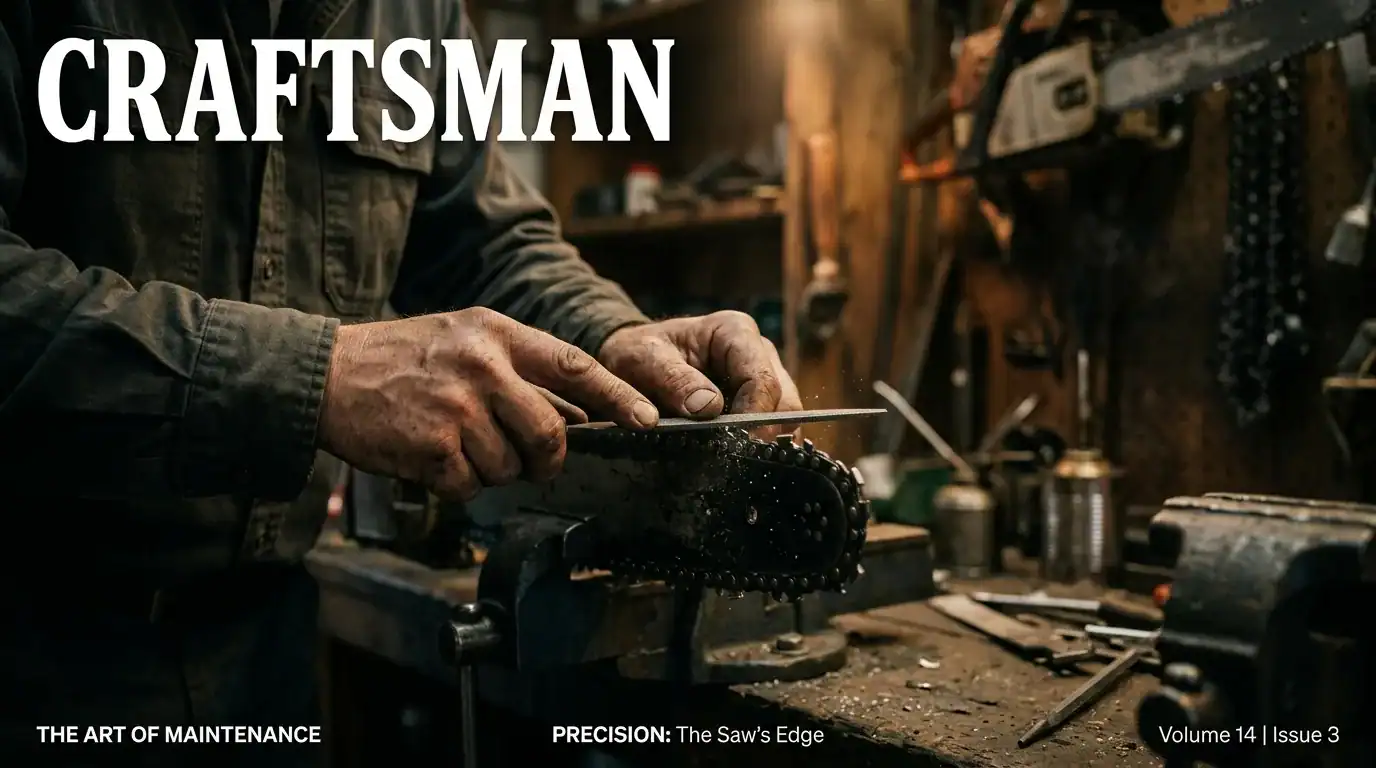
Now that you’ve chosen the right filing tools, it’s time to sharpen your chainsaw chain. The process of sharpening a chainsaw chain can seem intimidating, but it’s actually quite straightforward. To start, you’ll need to remove the chain from the saw and lay it out on a flat surface. Next, you’ll need to identify the cutting teeth and the rakers. The cutting teeth are the sharp, pointed teeth that do the actual cutting, while the rakers are the flat, curved teeth that help to guide the chain and prevent kickback.
Once you’ve identified the cutting teeth and the rakers, you can start sharpening. Begin by sharpening the cutting teeth, using a round file to sharpen the inside and outside of each tooth. Be sure to maintain the same angle and depth for each tooth, as this will ensure that the chain is sharpened evenly. Next, use a flat file to sharpen the rakers, making sure to maintain the same angle and depth as the cutting teeth.
As you sharpen your chain, be sure to check your progress regularly. A sharp chain should produce clean, uniform wood chips, and should cut through wood with ease. If you’re still experiencing problems with your chain, it may be time to consider replacing it. But with regular maintenance and sharpening, you can extend the life of your chain and keep your saw running smoothly.
Maintenance and Troubleshooting
Common Problems and Solutions
Even with regular sharpening, your chainsaw chain can still experience problems. One of the most common problems is chain stretch, which occurs when the chain becomes loose and begins to sag. This can cause a decrease in cutting efficiency and an increase in wear and tear on the saw. To prevent chain stretch, be sure to check the tension of your chain regularly, and adjust it as needed.
Another common problem is chain rust, which can occur when the chain is exposed to moisture. To prevent chain rust, be sure to clean and dry your chain after each use, and apply a rust-inhibiting oil to the chain and bar. By taking these steps, you can keep your chain in good condition and prevent rust from forming.
Finally, it’s essential to maintain your saw regularly, including the bar and chain. Be sure to check the bar for signs of wear, such as cracks or dents, and replace it as needed. You should also check the chain for signs of wear, such as broken or damaged teeth, and replace it as needed. By maintaining your saw and chain, you can ensure that you’re getting the best possible cut, and that you’re staying safe while cutting.