

Introduction: Your Leaf Blower’s Untapped Potential
Most homeowners, landowners, and outdoor enthusiasts know their leaf blower as a trusty companion for one primary task: clearing fallen leaves. It’s an indispensable tool for maintaining a tidy yard, especially during the autumn months. But what if I told you that this powerful piece of outdoor equipment is capable of so much more? As a seasoned outdoor power equipment specialist, I’ve seen firsthand how a little creativity and understanding can transform a single-purpose tool into a versatile workhorse.
Table Of Content
- Introduction: Your Leaf Blower’s Untapped Potential
- The Power Behind the Breeze: Understanding Your Leaf Blower
- Handheld vs. Backpack vs. Walk-Behind
- Key Metrics: CFM, MPH, and Engine Power
- Unlocking Hidden Potential: Creative Applications Around Your Property
- Gutter & Downspout Guardian
- Garden & Landscaping Assistant
- Driveway, Patio, & Deck Detailer
- Quick-Dry Maestro
- Light Snow & Debris Sweeper
- Workshop & Garage Cleaner
- Vehicle & Equipment Dryer
- Choosing the Right Blower for Diverse Tasks
- What to Look For in a Multi-Tasker
- Specific Model Examples for Homeowners
- Safety First: Essential Practices for All Leaf Blower Operations
- Personal Protective Equipment (PPE)
- Operational Best Practices
- Conclusion: Maximizing Your outdoor power equipment Investment
Think about it: you’ve invested in a machine designed to move air with significant force and volume. That fundamental capability isn’t limited to just dry foliage. From tackling unexpected household chores to simplifying demanding outdoor tasks, your leaf blower holds a surprising amount of untapped potential. In this comprehensive guide, we’re going to dive deep beyond the obvious, exploring a myriad of practical, ingenious ways to leverage your leaf blower, making it one of the most valuable and frequently used tools in your shed.
Our goal here isn’t just to list a few alternative uses; it’s to empower you with the knowledge to safely and effectively expand the utility of your existing equipment. We’ll cover everything from understanding your blower’s capabilities to specific techniques for various tasks, ensuring you get maximum value and efficiency from your investment. So, grab your safety glasses, and let’s discover the true versatility of your leaf blower.
The Power Behind the Breeze: Understanding Your Leaf Blower
Before we explore creative applications, it’s crucial to understand what makes your leaf blower tick and what specifications truly matter. Not all blowers are created equal, and their design directly impacts their suitability for different tasks. Knowing the strengths and limitations of your particular model will help you choose the right tool for the job and avoid frustration.
Handheld vs. Backpack vs. Walk-Behind
Leaf blowers generally fall into three main categories, each with distinct advantages. Handheld blowers are typically lighter, more maneuverable, and excellent for smaller yards, quick clean-ups, or intricate areas. They come in electric (corded or battery) and gas-powered variants. While convenient, their power output (CFM and MPH) might be limited for heavy-duty tasks.
Backpack blowers are the go-to for larger properties or extended clearing sessions. Their engines are more powerful, offering significantly higher CFM and MPH ratings, and the weight is distributed comfortably across your back, reducing fatigue. These are almost exclusively gas-powered, though powerful battery backpack models are emerging. For tackling widespread debris or even light snow, a backpack blower is often the superior choice.
Lastly, walk-behind blowers are essentially commercial-grade machines designed for very large properties or professional landscapers. They boast the highest power, often featuring large discharge nozzles and wide clearing paths. While overkill for most homeowners, if you manage vast areas with heavy debris, these machines are truly “beyond blowing” just leaves.
Key Metrics: CFM, MPH, and Engine Power
When evaluating a leaf blower, two numbers stand out: CFM (Cubic Feet per Minute) and MPH (Miles Per Hour). CFM measures the volume of air the blower moves, indicating its ability to clear large areas quickly. Higher CFM is crucial for moving bulky piles of leaves, wet debris, or light snow. MPH, on the other hand, measures the speed of the air coming out of the nozzle. High MPH is excellent for dislodging stubborn, stuck-on debris, like compacted dirt, wet leaves, or even small pebbles.
A good general-purpose blower for varied tasks will often strike a balance, offering both decent CFM (e.g., 400-600 CFM) and respectable MPH (e.g., 150-200 MPH). For gas models, look at engine displacement (cc) for a general indicator of power. For electric and battery models, wattage or battery voltage (e.g., 40V, 80V) gives you a sense of its capability. Understanding these metrics helps you predict how well your blower will perform beyond its primary leaf-clearing role.
Unlocking Hidden Potential: Creative Applications Around Your Property
Now for the exciting part! Let’s dive into practical, ingenious ways to put that powerful gust of air to work. You’ll be surprised at how many common chores can be simplified or sped up with a leaf blower.
Gutter & Downspout Guardian
Cleaning gutters is often a dreaded chore, but your leaf blower can make it significantly easier and safer. Before the heavy rains or winter snow, a quick pass with your blower can clear out dry leaves, pine needles, and small twigs that accumulate. For single-story homes or accessible areas, a handheld blower can often reach directly into the gutter from a ladder (with proper ladder safety, of course).
For two-story homes or extensive gutter systems, consider investing in a gutter attachment kit. These kits typically include angled tubes that extend your blower’s reach, allowing you to clear gutters from the ground. Aim the nozzle into the gutter and sweep the debris away. This method is far less messy than scooping by hand and ensures water flows freely, preventing costly foundation or roof damage.
Garden & Landscaping Assistant
Your garden bed preparation can be greatly streamlined. Before tilling or planting, use your blower to quickly clear away residual leaves, small stones, and light garden debris from planting areas. This gives you a clean slate, saving you time from raking and bending over. It’s particularly useful for larger garden plots or when preparing new beds.
Additionally, after trimming hedges or pruning shrubs, your blower can swiftly clear away clippings from flower beds, paths, and lawn areas. Instead of painstakingly raking small bits of greenery, a few sweeps with the blower will gather them into a manageable pile for disposal or composting. This speeds up post-trimming cleanup considerably.
Driveway, Patio, & Deck Detailer
This might seem obvious, but many people still sweep these surfaces by hand. A leaf blower is exponentially faster and more effective. Use it to blast away dirt, dust, sand, small pebbles, and cobwebs from your driveways, patios, and decks. The high velocity of air can dislodge grime from cracks and crevices that a broom simply can’t reach.
For stubborn dirt or wet leaves stuck to concrete, a powerful backpack blower with high MPH will be most effective. It’s also fantastic for clearing debris from outdoor rugs before shaking them out, or for cleaning the gaps between deck boards. A weekly pass with your blower can keep these high-traffic areas looking pristine with minimal effort.
Quick-Dry Maestro
Ever washed your car and wished it would dry without water spots? Your leaf blower is the answer! The powerful airflow can quickly dry your vehicle after washing, especially around mirrors, grilles, and emblems, preventing unsightly water marks. This also works wonders for drying motorcycles, ATVs, or even garden tractors after a wash.
Beyond vehicles, think about outdoor furniture. After a rain shower, a quick blast can dry patio chairs, tables, and cushions, making them ready for immediate use. It’s also useful for drying painted surfaces or recently stained decks, accelerating the curing process and preventing dust from settling on wet finishes. Just ensure the air is clean and free of exhaust fumes for delicate surfaces.
Light Snow & Debris Sweeper
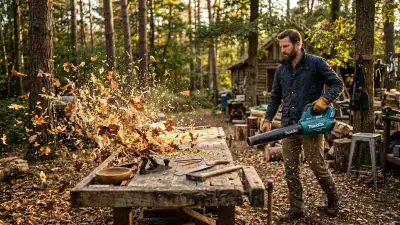
While not a replacement for a dedicated snow blower, a powerful leaf blower (especially a backpack model with high CFM) can be surprisingly effective for clearing light, fluffy snow. If you get just an inch or two of fresh powder on your sidewalks, steps, or deck, your blower can make quick work of it. Aim it carefully to avoid blowing snow back onto areas you’ve already cleared.
This application is particularly useful for clearing snow from sensitive areas like car windshields (without scratching them), intricate outdoor decorations, or around delicate plants where a shovel might cause damage. Remember, it’s for *light* snow; anything wet, heavy, or deeper than a few inches will quickly overwhelm even the most robust leaf blower.
Workshop & Garage Cleaner
Your garage or workshop can quickly become a haven for sawdust, metal shavings, and general dust. Instead of sweeping, which often just stirs up fine particles, a leaf blower can efficiently move debris out the door. Open your garage door, don your dust mask and safety glasses, and blast away the accumulated mess. It’s incredibly satisfying and much faster than a broom.
Be cautious when blowing fine sawdust around sensitive equipment or open flames, as it can create a fire hazard. For delicate electronics, a softer, more controlled burst might be needed, or avoid altogether. However, for general floor cleanup, it’s a game-changer. I personally use my battery-powered handheld blower weekly to keep my workshop floor immaculate.
Vehicle & Equipment Dryer
Beyond your car, think about other outdoor equipment. After washing your lawn mower, tiller, or ATV, use the leaf blower to dry hard-to-reach areas and prevent rust. This is especially important for crevices, engine components, and cutting decks where moisture can linger and cause corrosion over time. A thorough drying extends the lifespan of your valuable tools.
It’s also great for drying wet sports equipment, camping gear, or even muddy boots before bringing them inside. The strong airflow helps dissipate moisture quickly, reducing the chance of mold and mildew growth. Just ensure the equipment is clean before blowing, to avoid spreading dirt.
Choosing the Right Blower for Diverse Tasks
If you’re looking to purchase a new leaf blower with these expanded uses in mind, or simply want to maximize your current one, understanding what features lend themselves to versatility is key. It’s not just about raw power, but also ergonomics and control.
What to Look For in a Multi-Tasker
For maximum versatility, look for a blower with a good balance of CFM and MPH. A minimum of 400 CFM and 150 MPH is a solid baseline for most homeowners tackling a variety of chores. If you have a large property or anticipate heavier tasks like light snow clearing, aim for 600+ CFM and 200+ MPH.
Variable speed control is another crucial feature. This allows you to dial down the power for delicate tasks (like drying your car or clearing sawdust near electronics) and ramp it up for heavy-duty blowing. Interchangeable nozzles, such as a wider flare nozzle for general clearing and a narrower concentrator nozzle for dislodging stubborn debris or reaching into gutters, also add significant utility.
Consider the power source. Battery-powered blowers offer excellent convenience, lower noise, and no emissions, making them ideal for quick, diverse tasks without the hassle of gas or cords. However, run time can be a limitation for very long jobs. Gas blowers provide unlimited run time (as long as you have fuel) and often higher power, suitable for large properties and continuous work. My personal preference for sheer versatility and ease of use around the house tends towards a powerful battery-operated backpack or handheld unit.
Specific Model Examples for Homeowners
Many reputable brands offer excellent blowers that excel in versatility. For strong battery performance, models like the EGO Power+ 650 CFM Blower or the Ryobi 40V HP Brushless Whisper Series Backpack Blower offer impressive power and variable speed control, perfect for a range of tasks without the noise or fumes of gas. Their battery systems are often interchangeable with other tools, adding to their value.
If gas power is your preference for maximum sustained output, consider models like the Stihl BG 86 C-E Handheld Blower for robust handheld performance, or the Echo PB-580T Backpack Blower which provides substantial CFM and MPH for larger properties and more demanding tasks. These models are known for their reliability and professional-grade performance, capable of handling everything we’ve discussed and more.
Safety First: Essential Practices for All Leaf Blower Operations
While expanding your leaf blower’s utility is exciting, safety must always be your top priority. These machines are powerful and, if used improperly, can cause injury or damage. Always treat your leaf blower with respect, just as you would any other piece of outdoor power equipment.
Personal Protective Equipment (PPE)
No matter the task, always wear appropriate PPE. This includes:
- Eye Protection: Safety glasses or goggles are non-negotiable. Debris can fly at high speeds, and even a small particle can cause serious eye injury.
- Hearing Protection: Leaf blowers, especially gas models, can be very loud. Earplugs or earmuffs are essential to prevent hearing damage, even during short periods of use.
- Gloves: Protect your hands from vibrations, blisters, and potential cuts or scrapes from flying debris.
- Long Pants and Closed-Toe Shoes: Provide basic protection for your legs and feet. Avoid loose clothing that could get caught in moving parts.
- Dust Mask: When blowing in dusty environments (like a workshop or dry, dusty patio), a dust mask will protect your respiratory system from inhaling fine particles.
Operational Best Practices
Beyond PPE, adopt these safe operating habits:
- Read Your Owner’s Manual: This is your primary source for specific safety instructions, maintenance schedules, and recommended uses for your model.
- Inspect Your Blower: Before each use, check for loose parts, damaged cords (for electric models), or fuel leaks (for gas models). Ensure the air intake is clear of obstructions.
- Clear the Area: Before blowing, ensure there are no pets, children, or bystanders in the immediate vicinity who could be struck by flying debris.
- Be Mindful of Surroundings: Avoid blowing debris towards neighbors’ property, open windows, or parked cars. Use a lower setting or a sweeping motion in sensitive areas.
- Maintain a Firm Grip: Always hold the blower firmly with both hands (if applicable) and maintain your balance.
- Never Point at People or Animals: The powerful air stream can cause harm.
- Use the Right Nozzle: A narrow concentrator nozzle is great for targeted tasks but can generate higher force. A wider nozzle is better for general clearing.
- Avoid Wet Conditions for Electrical Models: Never use electric (corded or battery) blowers in the rain or extremely wet conditions to prevent electrocution.
- Proper Fueling (Gas Models): Always refuel outdoors with the engine off and cool. Use the correct fuel-oil mix for 2-stroke engines.
By following these guidelines, you can safely and confidently explore the full range of tasks your leaf blower is capable of, turning it into a truly indispensable asset for your property maintenance.
Conclusion: Maximizing Your outdoor power equipment Investment
Who knew your humble leaf blower had so many tricks up its sleeve? By now, I hope you’re looking at your outdoor power equipment with a fresh perspective, recognizing its potential far beyond just managing autumn leaves. From safeguarding your home’s foundation by clearing gutters to drying your car spot-free, and from preparing garden beds to tidying up your workshop, the versatility of a well-chosen leaf blower is truly remarkable.
The key takeaway is this: understanding your tool’s capabilities – its CFM, MPH, and ergonomic design – empowers you to tackle a broader array of tasks with greater efficiency and less effort. Remember to always prioritize safety, donning appropriate PPE, and following best operational practices. By embracing these creative applications, you’re not just finding new uses for a tool; you’re maximizing your investment, simplifying your chores, and gaining more time to enjoy your beautifully maintained outdoor spaces. So go ahead, get out there, and discover all the ways your leaf blower can work harder for you!