
Unlock Maximum Protection: Essential Chainsaw Safety Gear
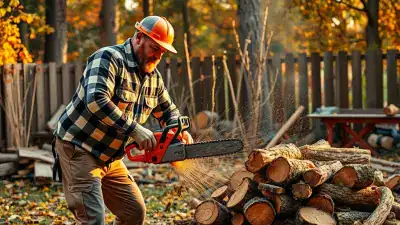
As an experienced outdoor power equipment specialist, I’ve seen firsthand how quickly a routine cutting job can turn dangerous without the right precautions. While many homeowners and DIY enthusiasts understand the importance of basic chainsaw safety gear, true protection goes beyond the starter kit. Let’s delve deeper into the essential personal protective equipment (PPE) that every chainsaw user, from a weekend warrior to a seasoned landowner, should consider.
Table Of Content
- Unlock Maximum Protection: Essential Chainsaw Safety Gear
- The Core Foundation: A Quick Refresher
- Beyond the Basics: Elevating Your PPE Game
- Advanced Head Protection: Your Integrated Command Center
- Superior Eye Protection: Crystal Clear Vision, Maximum Shielding
- Enhanced Hearing Protection: Focus Without Distraction
- Advanced Leg Protection: Your First Line of Defense
- Specialized Hand Protection: Grip, Control, and Protection
- Robust Foot Protection: Ground Up Safety
- Beyond the Clothing: Body Protection & Essentials
- Why Quality Matters
- Maintain Your Gear
- Stay Safe, Stay Productive
Think of your safety gear as an investment – an investment in your well-being and ability to keep working on your property. It’s not just about meeting minimum requirements; it’s about maximizing your protection.
The Core Foundation: A Quick Refresher
Before we dive into the “beyond the basics,” let’s quickly acknowledge the fundamental items that should always be at the top of your list:
- Head Protection: A hard hat or helmet.
- Eye Protection: Safety glasses or a face shield.
- Hearing Protection: Earplugs or earmuffs.
- Leg Protection: Chainsaw chaps or pants.
- Hand Protection: Work gloves.
- Foot Protection: Sturdy boots.
These are non-negotiable. But what exactly should you look for in each of these categories to truly elevate your safety?
Beyond the Basics: Elevating Your PPE Game
Advanced Head Protection: Your Integrated Command Center
A basic hard hat is a start, but an integrated logging helmet system is a game-changer. These typically combine:
- Impact-Resistant Helmet: Look for helmets meeting ANSI Z89.1 (US) or EN 397 (Europe) standards. High-visibility colors like orange or neon yellow significantly improve your visibility to others, crucial when working in wooded areas.
- Mesh Face Screen: Far superior to just safety glasses for deflecting chips and debris, while still offering good airflow and visibility. Make sure it’s easily adjustable and durable.
- Integrated Earmuffs: These are designed to fit snugly and provide consistent hearing protection. They’re always there when you need them and easily flip up when you don’t.
- Ventilation: Vents help keep you cool during strenuous work, improving comfort and focus.
Models like the Husqvarna Technical Forest Helmet or STIHL Function Universal Helmet are excellent examples of such integrated systems.
Superior Eye Protection: Crystal Clear Vision, Maximum Shielding
While an integrated face screen is great, dedicated eye protection is still vital, especially when the face shield is lifted or for tasks requiring finer detail. Consider:
- Anti-Fog & UV Protection: Essential for clear vision in varying conditions and protecting your eyes from harmful rays.
- Wrap-Around Design: Offers better peripheral protection against flying debris.
- Impact Resistance: Ensure they meet ANSI Z87.1 standards.
- Goggles: If working in extremely dusty conditions or with a high risk of fine particles, sealed goggles offer superior protection compared to glasses.
Enhanced Hearing Protection: Focus Without Distraction
Chainsaws are loud, often exceeding 100 dB. Prolonged exposure causes permanent hearing damage. Don’t just grab any earplugs:
- High NRR Rating: Look for a Noise Reduction Rating (NRR) of at least 25 dB, ideally 30 dB or higher.
- Comfort for Extended Use: Earmuffs with gel-filled cushions offer superior comfort for long work sessions.
- Active Noise Canceling: Some advanced earmuffs offer this, allowing you to hear voices or warnings while still blocking harmful chainsaw noise.
Advanced Leg Protection: Your First Line of Defense
Chainsaw chaps or trousers are arguably the most critical piece of PPE after head protection. They’re designed with ballistic fibers (like Kevlar, Dyneema, or similar materials) that snag and stop a moving chain upon contact. When choosing:
- ASTM F1897 Standard: Ensure your chaps or pants meet this standard for chainsaw cut resistance.
- Coverage: Chaps should extend from your waist to at least 2 inches below the top of your boot. Full-wrap chaps offer protection around the entire leg, which is a significant upgrade from apron-style chaps.
- Fit and Comfort: Properly fitting chaps are less likely to snag and allow for better mobility. Chainsaw protective pants offer full leg coverage and are often more comfortable for extended wear.
Specialized Hand Protection: Grip, Control, and Protection
Regular work gloves are okay, but specialized chainsaw gloves offer more:
- Anti-Vibration Padding: Reduces fatigue and the risk of Hand-Arm Vibration Syndrome (HAVS) from prolonged chainsaw use.
- Cut Resistance: Often feature reinforced material on the back of the left hand, where accidental chain contact is most likely.
- Excellent Grip: Textured palms improve control, especially in wet conditions.
Robust Foot Protection: Ground Up Safety
Your feet are vulnerable to dropped logs, falling branches, and accidental chain contact. Don’t skimp here:
- Steel or Composite Toe: Protects against impact and compression.
- Metatarsal Protection: An extra layer over the top of the foot for added impact protection.
- Chainsaw Cut Protection: Look for boots rated to EN ISO 17249 (e.g., Class 1 for 20 m/s chain speed, Class 2 for 24 m/s). These boots have layers of cut-resistant material similar to chaps.
- Ankle Support & Aggressive Tread: Essential for stability on uneven terrain and preventing slips.
Beyond the Clothing: Body Protection & Essentials
- High-Visibility Clothing: A high-vis jacket or vest ensures you’re seen, especially when working near roads or with others.
- First-Aid Kit: A comprehensive kit should be readily accessible. Include bandages, antiseptic wipes, gauze, medical tape, pain relievers, and a tourniquet for severe injuries. Knowing how to use it is as important as having it.
- Communication Device: If working alone or in remote areas, a fully charged cell phone or a two-way radio (if working with a partner) is critical for emergencies.
- Hydration & Nutrition: Often overlooked, staying hydrated and well-fed prevents fatigue, which can lead to poor judgment and accidents.
Why Quality Matters
Investing in high-quality safety gear isn’t just about meeting standards; it’s about comfort, durability, and most importantly, superior protection. Cheaper gear may offer less protection, wear out faster, and be uncomfortable, tempting you to skip using it. Premium gear, on the other hand, is designed for extended use, providing better fit, breathability, and features that enhance your safety and productivity.
Maintain Your Gear
Regularly inspect all your safety gear for damage. Chaps with cuts, helmets with cracks, or boots with worn soles need to be replaced. Keep your gear clean and store it properly to ensure its longevity and effectiveness.
Stay Safe, Stay Productive
Operating a chainsaw demands respect and a commitment to safety. By equipping yourself with comprehensive, high-quality safety gear beyond the absolute basics, you’re not just protecting yourself from potential hazards; you’re empowering yourself to work more confidently, comfortably, and productively for years to come. Always prioritize your safety – it’s the smartest investment you can make.