
Working with a chainsaw is incredibly rewarding when you see the results of your hard work, whether it’s clearing storm debris, felling a tree, or cutting firewood. But let’s be honest: chainsaws are powerful tools that demand respect. That respect starts with wearing the right safety gear, every single time you crank up that engine.
Table Of Content
- The Unseen Dangers: Why Safety Gear Isn’t Optional
- Head to Toe Protection: Your Essential Gear Checklist
- Head Protection: Helmets & Eye/Ear Protection
- Hand Protection: Gloves
- Leg Protection: Chainsaw Chaps & Pants
- Foot Protection: Safety Boots
- Body Protection: Jackets & Vests (Optional but Recommended)
- Beyond the Basics: What Else to Consider for Ultimate Safety
- First Aid Preparedness
- Communication Tools
- Weather-Appropriate Gear
- Regular Gear Inspection: What to Watch Out For
- Common Mistakes with Safety Gear: Don’t Get Caught Off Guard
- Frequently Asked Questions
- Why can’t I just wear regular clothes?
- Do I need full gear for small jobs?
- How often should I replace my safety gear?
Think of your safety gear not as an option, but as your first line of defense against kickback, flying debris, and accidental contact. It’s an investment in your well-being, ensuring you can keep tackling those outdoor projects for years to come.
The Unseen Dangers: Why Safety Gear Isn’t Optional
When you fire up a chainsaw, you’re unleashing incredible power. The chain itself moves at speeds often exceeding 60 miles per hour, capable of cutting through wood like butter – and unfortunately, flesh just as easily. Beyond the cutting chain, there are flying wood chips, sawdust, falling branches, and the deafening roar of the engine.
Many homeowners, especially those just starting out, often underestimate the risks involved. They might think, “It’s just a small branch,” or “I’ll only be five minutes.” But in my experience, those short, quick jobs are often where accidents happen because complacency creeps in. A chainsaw doesn’t care if you’re taking five minutes or five hours; it poses the same inherent dangers every second it’s running.
So, what exactly are we protecting ourselves from? We’re talking about potential eye injuries from wood chips, hearing loss from sustained noise, severe lacerations from chain contact, head trauma from falling objects, and foot injuries from dropped saws or logs. Honestly, the list of potential hazards is long, which is precisely why a comprehensive approach to personal protective equipment (PPE) is non-negotiable.
Head to Toe Protection: Your Essential Gear Checklist
When I advise anyone on chainsaw use, from a seasoned arborist to a first-time homeowner with a battery chainsaw, the safety gear checklist is always the same. It’s about layers of protection, specifically designed to mitigate the unique risks of chainsaw operation. Let’s break down each critical component.
Head Protection: Helmets & Eye/Ear Protection
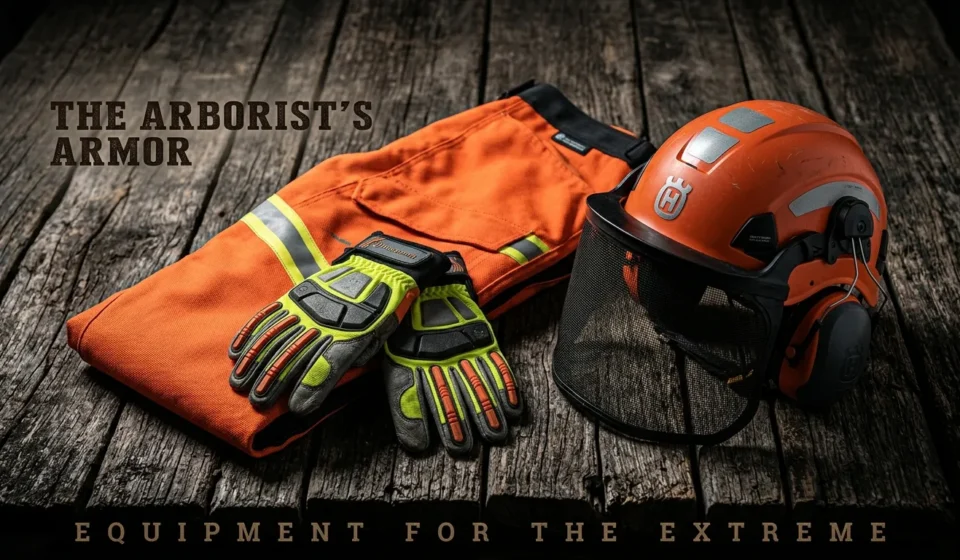
Your head is arguably the most important part of your body to protect, so a good helmet is paramount. A dedicated **forestry helmet** is the gold standard here. It’s not just a hard hat; it’s an integrated system that typically includes:
- Hard Hat: Designed to protect against falling branches, tools, or other impacts. Look for helmets meeting ANSI Z89.1 standards.
- Face Shield: A mesh or clear polycarbonate shield that protects your face from flying wood chips, sawdust, and kickback. The mesh allows for airflow, preventing fogging, while clear shields offer better visibility for intricate work.
- Ear Protection (Earmuffs): Built directly into the helmet, offering convenient and effective noise reduction. Chainsaws can generate noise levels well over 100 decibels, far exceeding the 85-decibel threshold where hearing damage can occur. Look for a Noise Reduction Rating (NRR) of at least 25 dB.
Even if you’re just pruning small branches, imagine this situation: a dead limb, seemingly stable, snaps and falls unexpectedly while you’re focused on your cut. A sturdy helmet can literally be the difference between a minor bump and a life-threatening injury. And those tiny wood chips? They can blind you in an instant without proper eye protection, which is why integrated face shields are so valuable.
Hand Protection: Gloves
Good quality work gloves are vital for several reasons. First, they provide a much better grip on your chainsaw handles, reducing the chance of slippage, especially when conditions are wet or hands are sweaty. Second, they offer protection against splinters, thorns, and minor cuts. While they won’t stop a running chain, they do provide some barrier against abrasions and impacts.
Look for **heavy-duty work gloves** made from leather or synthetic materials with reinforced palms and knuckles. Some specialized chainsaw gloves even have extra padding or a cut-resistant material on the back of the left hand, which is the hand most exposed to the chain in the event of a kickback. I believe this extra protection is a smart choice for anyone regularly operating a saw.
Leg Protection: Chainsaw Chaps & Pants
This is where many beginners try to cut corners, and it’s a decision I strongly advise against. **Chainsaw chaps** or **chainsaw pants** are perhaps the most critical piece of personal protective equipment for your lower body. They are designed with multiple layers of a special, high-strength fiber (often ballistic nylon, Kevlar, or similar materials) that, upon contact with a running chain, are pulled into the sprocket, jamming the saw and stopping the chain almost instantly.
Standard denim jeans offer absolutely no protection against a chainsaw. None. Chaps are typically worn over your regular pants and secured with buckles. Chainsaw pants are a more integrated option, resembling work pants but with the protective layers built directly into the garment. When choosing, ensure they are UL certified and meet industry standards for cut resistance, often measured in feet per minute (e.g., 3,000 ft/min).
Foot Protection: Safety Boots
Your feet are vulnerable to falling logs, dropped saws, and impact from branches. **Steel-toed or composite-toed safety boots** are non-negotiable. They should be sturdy, offer good ankle support, and have non-slip soles for traction on uneven or slippery terrain. While some dedicated forestry boots offer additional chainsaw cut-resistant layers, at a minimum, ensure your boots have reinforced toe caps to protect against crushing injuries.
Body Protection: Jackets & Vests (Optional but Recommended)
While not always mandatory for homeowners, a **heavy-duty work jacket or vest** can offer additional protection from flying debris and abrasions. For those working in environments where visibility is key (e.g., around other people or machinery), a high-visibility jacket or vest is a wise choice. Some professional chainsaw jackets also incorporate cut-resistant materials similar to chaps, especially on the arms and shoulders. To be fair, for a quick homeowner job, this might be overkill, but for extended or complex tasks, it’s a great addition.
Beyond the Basics: What Else to Consider for Ultimate Safety
While the core PPE is crucial, real chainsaw safety extends beyond just what you wear. A truly prepared individual thinks about the entire work environment and potential emergencies. This holistic approach is what separates a cautious operator from someone just going through the motions.
First Aid Preparedness
No matter how careful you are, accidents can happen. Always have a well-stocked **first aid kit** readily accessible. It should include bandages, antiseptic wipes, pain relievers, and, crucially, pressure bandages for severe bleeding. For more remote work, consider carrying a tourniquet and knowing how to use it. Knowing basic first aid can be a lifesaver, especially if you’re working alone.
Communication Tools
If you’re working in a remote area, ensure you have a **fully charged cell phone** or other communication device to call for help if needed. Inform someone of your work location and estimated return time. It’s a simple step that provides an invaluable safety net.
Weather-Appropriate Gear
Working in adverse weather conditions presents its own challenges. Rain can make surfaces slippery and reduce visibility, while cold can lead to numb hands and reduced dexterity. Consider **rain gear** and **thermal layers** as appropriate. Maintaining comfort and focus directly impacts your safety.
Regular Gear Inspection: What to Watch Out For
Your safety gear is only as good as its condition. Before every use, take a moment to inspect your equipment. Here’s what to look for:
- Helmet: Check for cracks, dents, or signs of material degradation. Ensure the face shield is intact and clear, and earmuffs fit snugly.
- Chaps/Pants: Look for tears, cuts, or worn-out patches. Any damage to the outer layer can compromise the protective fibers underneath. If the fibers are exposed or damaged, it’s time for new chaps.
- Gloves & Boots: Inspect for holes, worn soles, or compromised toe caps. Ensure laces are tied securely.
- General Wear: Any safety gear that shows significant wear and tear should be replaced. Don’t gamble with your safety to save a few dollars.
Maintaining your gear ensures it performs when you need it most. After all, what good is a cracked helmet or torn chaps in an emergency?
Common Mistakes with Safety Gear: Don’t Get Caught Off Guard
Even with the best intentions, I’ve seen people make common mistakes that undermine their safety. Awareness is key to avoiding these pitfalls:
- Wearing Incomplete Gear: The “just a quick cut” fallacy. You might wear eye protection but skip the chaps. Every piece of recommended PPE serves a purpose and should be worn together for comprehensive protection.
- Using Damaged or Expired Gear: Safety gear isn’t invincible. Sun exposure, repeated impacts, and general wear degrade its effectiveness over time. A cracked hard hat or frayed chaps won’t protect you properly.
- Ill-Fitting Gear: Chaps that are too loose can snag, while a helmet that constantly slips can obstruct your vision. Ensure all your gear fits comfortably and securely.
- Forgetting About Noise: Some users remember eye protection but forget their ears. Prolonged exposure to chainsaw noise will lead to permanent hearing damage. Earmuffs or high-quality earplugs are essential.
- Ignoring Manufacturer Instructions: Always follow the specific care and usage instructions for your PPE. This ensures its longevity and effectiveness.
Remember, safety gear is a system. Each component works together to protect you. Neglecting one part compromises the entire system.
Here’s a quick overview of essential gear and standards:
| Gear Item | Purpose | Key Features & Standards |
|---|---|---|
| Forestry Helmet | Head impact, eye/face protection, hearing protection | ANSI Z89.1 (hard hat), integrated face shield (mesh/polycarbonate), NRR 25+ dB earmuffs |
| Safety Glasses (backup) | Primary eye protection from debris | ANSI Z87.1 (impact resistance) |
| Chainsaw Chaps/Pants | Leg protection from chain contact | UL certified (e.g., ASTM F1897), multiple layers of cut-resistant material (Kevlar, ballistic nylon) |
| Work Gloves | Grip, splinter protection, minor abrasion resistance | Heavy-duty leather or synthetic, reinforced palms, optional cut-resistant backhand |
| Safety Boots | Foot protection from impacts, drops, punctures | Steel or composite toe (ANSI Z41 or ASTM F2413), sturdy ankle support, non-slip sole |
Frequently Asked Questions
Why can’t I just wear regular clothes?
Regular clothes like jeans and a t-shirt offer virtually no protection against a moving chainsaw chain or high-speed debris. Dedicated safety gear is designed with specific materials and construction to resist impacts, cuts, and noise, significantly reducing the risk of serious injury.
Do I need full gear for small jobs?
Absolutely. Most accidents happen during “quick” or “small” jobs because people become complacent and skip essential PPE. A chainsaw doesn’t distinguish between a large tree and a small branch – the chain is equally dangerous in either scenario. Always gear up fully.
How often should I replace my safety gear?
It depends on wear and tear, and manufacturer recommendations. Inspect your gear before each use for damage like cracks, tears, or fraying. Helmets often have a shelf life (e.g., 5 years from manufacture date) regardless of use due to material degradation. Replace any damaged or excessively worn item immediately.
Using a chainsaw is a serious responsibility, but it doesn’t have to be a dangerous one. By consistently wearing the right safety gear and understanding its purpose, you transform a high-risk activity into a manageable task. Your safety, and the safety of those around you, truly hinges on this commitment. So, before you start your next cutting project, remember: gear up, stay sharp, and cut with confidence. For more detailed guides on specific tools and techniques, explore other articles right here at Best Professional Chainsaw.