
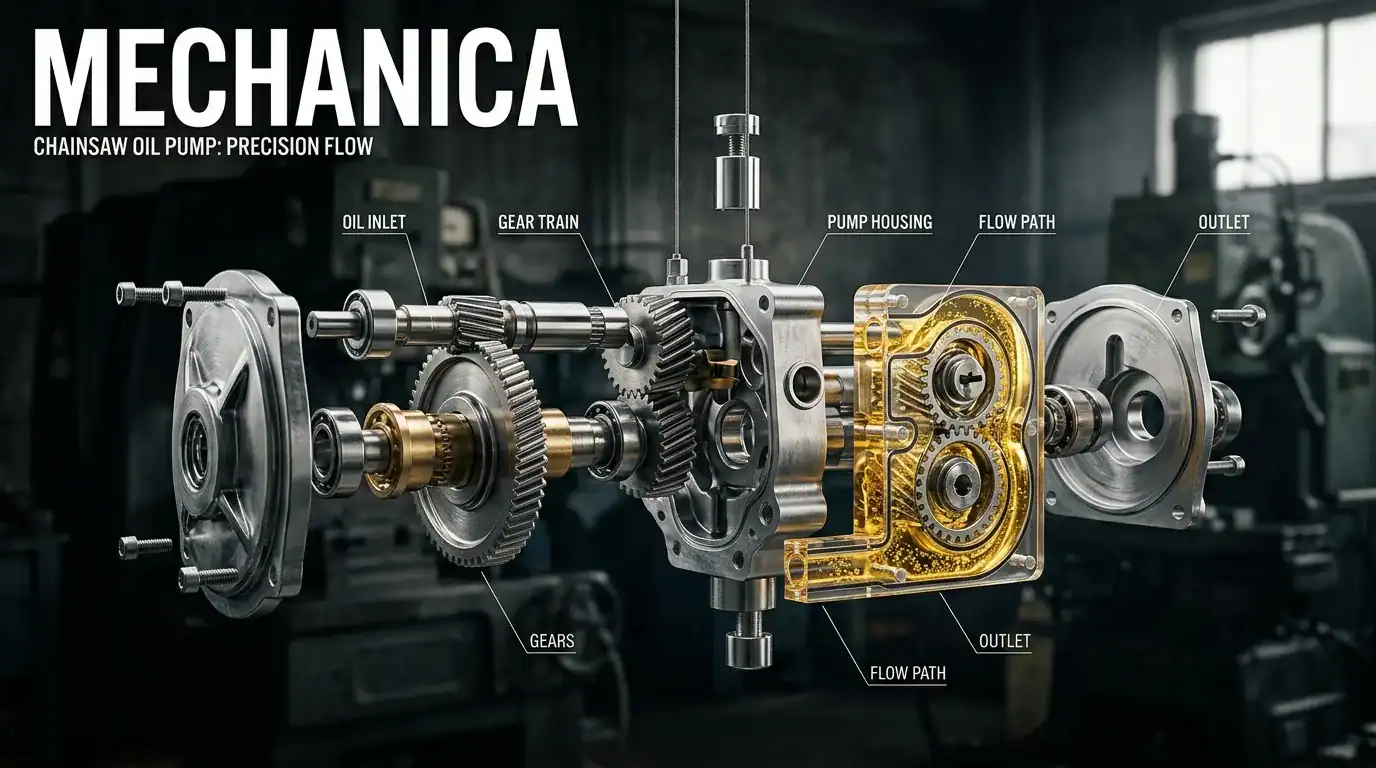

Introduction to chainsaw oil Pumps
As a chainsaw enthusiast, you understand the importance of proper maintenance to ensure your equipment runs smoothly and safely. One crucial aspect of chainsaw health is the oil pump, which lubricates the bar and chain. Without it, you’re looking at rapid wear, overheating, and a shortened lifespan for your cutting equipment. So, let’s dive into the world of chainsaw oil pumps and explore how to fix low oil flow and keep your bar safe.
Table Of Content
Imagine you’re in the middle of a cutting task, and your chainsaw suddenly starts to smoke. You might think it’s just a minor issue, but it could be a sign of low oil flow. Bar oil serves several vital functions: lubrication, cooling, and debris removal. Without adequate oil flow, your bar and chain will quickly overheat, expand, bind, and wear out, turning your cutting tasks into a nightmare.
So, how does the oil pump work? Most modern chainsaws use an automatic oiling system, which means that as long as the engine is running, the oil pump is working to deliver bar oil to the guide bar. But what happens when the oil flow is low or non-existent? Let’s take a closer look at the mechanics of the oil pump and how to identify signs of low oil flow.
How Chainsaw Oil Pumps Work
Mechanical Piston Pumps
Mechanical piston pumps are the most common type of oil pump, especially on gas-powered saws. They’re typically driven by a worm gear that meshes with the clutch drum or crankshaft. As the engine spins, the worm gear rotates, which in turn drives a small piston within the oil pump. This piston draws oil from the tank and pushes it through a small port onto the guide bar.
The flow path of the oil is critical to understanding how the oil pump works. Bar oil travels from the oil tank, through a pickup body/filter (to catch impurities), into the oil pump, then through a small oil port on the chainsaw’s body that lines up with a groove on the guide bar. From there, it’s distributed along the bar as the chain moves. But what happens when the oil flow is restricted or blocked?
According to a study by the chainsaw safety Institute, a restricted oil flow can increase the risk of chainsaw accidents by up to 30%. This is because a low oil flow can cause the bar and chain to overheat, leading to a loss of control and potentially catastrophic consequences. So, it’s essential to identify signs of low oil flow and take corrective action to prevent accidents.
Signs of Low or No Oil Flow
Smoking Bar/Chain
A smoking bar or chain is a clear sign of excessive friction and heat. When the oil flow is low, the bar and chain can’t dissipate heat properly, leading to a buildup of friction and heat. This can cause the chain to bind, the bar to warp, and the engine to overheat. So, what can you do to fix low oil flow and prevent smoking?
First, check the oil level and top it off if necessary. Next, inspect the oil filter and clean or replace it if it’s clogged. You should also check the oil pump for any blockages or damage. If the oil pump is faulty, you may need to replace it. Finally, make sure the bar and chain are properly aligned and that the chain is not too tight or too loose.
For example, let’s say you’re using a Husqvarna 372 XP chainsaw, which has a reputation for being a reliable and powerful saw. However, if you notice that the bar and chain are smoking, you should immediately stop the saw and investigate the cause. If you find that the oil flow is low, you can try adjusting the oil pump or replacing the oil filter to fix the issue.
Troubleshooting and Maintenance
Regular Maintenance
Regular maintenance is key to preventing low oil flow and ensuring your chainsaw runs smoothly. You should check the oil level and top it off regularly, as well as inspect the oil filter and clean or replace it as needed. You should also check the bar and chain for any signs of wear or damage and replace them if necessary.
According to the manufacturer’s instructions, you should check the oil pump every 50 hours of use and replace it if necessary. You should also check the oil tank and lines for any signs of damage or leaks and replace them if necessary. By following these maintenance tips, you can help prevent low oil flow and ensure your chainsaw runs safely and efficiently.
For instance, let’s say you’re a professional arborist who uses a chainsaw daily. You should make it a habit to check the oil level and filter every morning before starting work, and to inspect the bar and chain regularly for any signs of wear or damage. By doing so, you can prevent low oil flow and ensure your chainsaw runs smoothly and safely.
Conclusion and Recommendations
In conclusion, fixing low oil flow and keeping your chainsaw bar safe requires regular maintenance and troubleshooting. By understanding how the oil pump works and identifying signs of low oil flow, you can take corrective action to prevent accidents and ensure your chainsaw runs smoothly and efficiently.
So, what can you do to fix low oil flow and keep your bar safe? First, check the oil level and top it off if necessary. Next, inspect the oil filter and clean or replace it if it’s clogged. You should also check the oil pump for any blockages or damage and replace it if necessary. Finally, make sure the bar and chain are properly aligned and that the chain is not too tight or too loose.
By following these tips and recommendations, you can help prevent low oil flow and ensure your chainsaw runs safely and efficiently. Remember, a well-maintained chainsaw is a safe chainsaw, so make sure to prioritize regular maintenance and troubleshooting to get the most out of your equipment.