

Introduction to Stihl Chainsaw Bars
When it comes to chainsaws, the bar is one of the most critical components, directly impacting cutting performance, safety, and flexibility. As a chainsaw expert, I can attest that choosing the right Stihl chainsaw bar size is crucial for any cutting task, whether you’re a homeowner trimming small branches or a forestry professional felling massive trees. In this article, we will delve into the world of Stihl chainsaw bars, exploring their sizes, prices, and replacement procedures.
Table Of Content
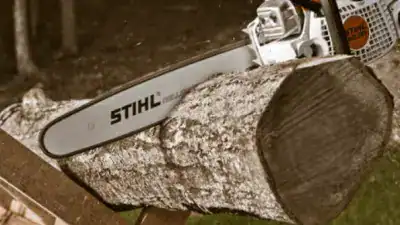
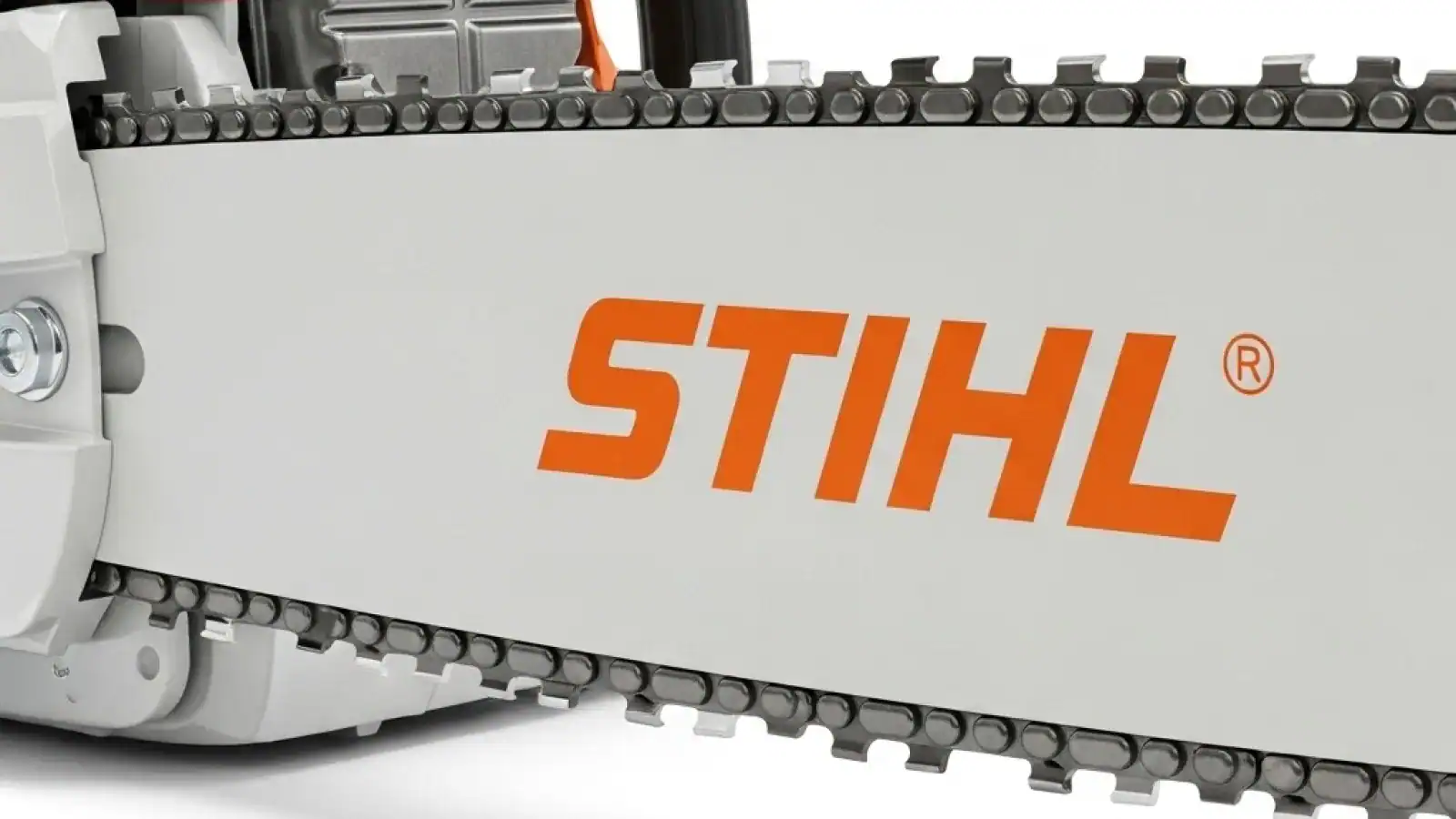
A Stihl chainsaw bar is more than just a metal guide; it’s the backbone of your cutting performance. The bar guides the chain throughout cutting, ensuring stability and precision. Different Stihl chainsaw bar sizes allow users to tackle tasks ranging from light pruning to heavy-duty logging. Proper safety and timely Stihl chainsaw bar replacement can extend the life of your chainsaw and enhance safety.
So, why is it essential to choose the right Stihl chainsaw bar size? The answer lies in the bar’s impact on cutting performance, safety, and flexibility. A bar that’s too small may not provide enough cutting capacity, while a bar that’s too large can be cumbersome and difficult to maneuver. By selecting the right bar size, you can ensure optimal performance, safety, and durability.
Understanding Stihl Chainsaw Bar Sizes
Bar Lengths and Their Uses
Stihl offers a wide range of bar lengths to suit different models and cutting needs. The most common bar lengths include 12, 14, 16, 18, 20, and 25 inches. Each bar length is designed for specific tasks, such as light pruning, yard work, firewood cutting, or heavy-duty logging. For example, a 12-inch bar is ideal for homeowners and light-duty cutting, while a 25-inch bar is designed for professionals handling large trees.
The bar length also affects the chain’s performance and safety. A shorter bar provides easier handling and less strain, while a longer bar offers more cutting capacity but requires more powerful engines. It’s essential to match the bar length to your chainsaw’s engine power to ensure optimal performance and safety.
To illustrate the importance of bar length, let’s consider a real-world example. I once worked with a homeowner who was using a 16-inch bar on his Stihl chainsaw to cut small branches. However, the bar was too long for the task, making it difficult to maneuver and increasing the risk of kickback. By switching to a 12-inch bar, the homeowner was able to complete the task safely and efficiently.
Stihl Chainsaw Bar Prices and Compatibility
Factors Affecting Price
The Stihl chainsaw bar price varies depending on length, type (Rollomatic, Duromatic, carving bars), and compatibility. On average, a 12-inch Stihl chainsaw bar can cost between $25 and $40, while a 25-inch bar can cost between $80 and $120. Prices may also vary based on whether you purchase OEM (original Stihl parts) or aftermarket replacements.
OEM bars are recommended for durability and optimal fit. Aftermarket replacements can be more affordable, but they may not provide the same level of quality and performance as OEM bars. It’s essential to consider the cost of replacement bars when purchasing a Stihl chainsaw, as well as the cost of maintenance and repair.
Stihl also offers a range of bar types, including Rollomatic and Duromatic bars. Rollomatic bars are designed for heavy-duty cutting and feature a unique roller nose that reduces wear and tear on the bar. Duromatic bars, on the other hand, are designed for general-purpose cutting and feature a durable, chrome-moly steel construction.
Replacing Your Stihl Chainsaw Bar
A Step-by-Step Guide
Replacing your Stihl chainsaw bar is a relatively straightforward process that can be completed with a few tools and some basic knowledge. To replace your bar, follow these steps:
- Remove the side cover and loosen the chain tension.
- Take off the old bar and chain.
- Install the new bar, ensuring alignment with the tensioner pin.
- Fit the chain, adjust tension, and secure the cover.
- Test the chainsaw for smooth operation.
Regular inspection is crucial to ensure the bar is in good condition. Look for signs of wear, cracks, or uneven rails, and replace the bar as needed. It’s also essential to follow the manufacturer’s recommendations for bar replacement and maintenance to ensure optimal performance and safety.
Additionally, it’s essential to consider the cost of replacement bars when purchasing a Stihl chainsaw. By choosing the right bar size and type, you can extend the life of your chainsaw and reduce the need for frequent replacements.
Conclusion and Final Tips
In conclusion, choosing the right Stihl chainsaw bar size is crucial for optimal performance, safety, and durability. By understanding the different bar lengths, prices, and replacement procedures, you can ensure your chainsaw is running smoothly and efficiently. Remember to match the bar length to your chainsaw’s engine power, and consider the cost of replacement bars when purchasing a Stihl chainsaw.
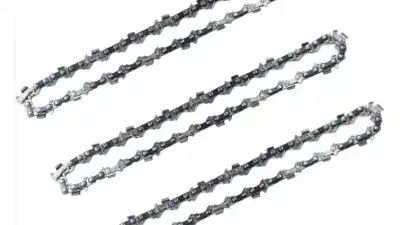
As a final tip, always consult the Stihl chainsaw bar size chart pdf before purchasing a new bar. This chart provides detailed information on compatibility, recommended bar lengths, and chain pitch and gauge specs. By following these tips and guidelines, you can ensure your Stihl chainsaw is running at its best, and you can complete your cutting tasks safely and efficiently.
So, the next time you’re in the market for a new Stihl chainsaw bar, remember to consider the factors mentioned in this article. With the right bar size, type, and maintenance, you can ensure your chainsaw is running smoothly and efficiently, and you can complete your cutting tasks with confidence and precision.