

Think your chainsaw has reached its peak performance? Think again. Many homeowners, landowners, and even seasoned enthusiasts often overlook the significant power and efficiency gains possible simply by upgrading a few key components. You don’t always need to buy a brand-new saw to tackle tougher jobs or cut more smoothly. Sometimes, a strategic upgrade can transform your existing machine, saving you money while boosting its capabilities dramatically.
Table Of Content
- The Foundation of Cutting: Chain & Guide Bar Upgrades
- Chains: The Sharp Difference You Can Feel
- Guide Bars: Guiding Your Cut with Precision
- Power & Efficiency Enhancers: Engine & Drivetrain Upgrades
- Sprockets: Optimizing Power Delivery
- Air Filters: Letting Your Engine Breathe Easier
- Muffler Modifications: Uncorking Power (with Caution!)
- Comfort, Control, and Durability Upgrades
- Anti-Vibration System Components
- Clutch Assembly: Smooth Power Transfer
- Final Thoughts: Is an Upgrade Worth It?
As an experienced outdoor power equipment specialist, I’ve seen countless saws breathe new life with the right parts. The trick is knowing which parts offer the most bang for your buck and how to choose them correctly. This isn’t just about raw power; it’s about improved cutting efficiency, better control, and even enhanced durability. Let’s dive into the core components that can truly make a difference.
The Foundation of Cutting: Chain & Guide Bar Upgrades
When you talk about cutting, the first things that come to mind are the chain and the guide bar. These are your saw’s primary points of contact with the wood, and honestly, they’re often the most neglected. Upgrading these components can lead to immediate and noticeable improvements in cutting speed and quality.
Chains: The Sharp Difference You Can Feel
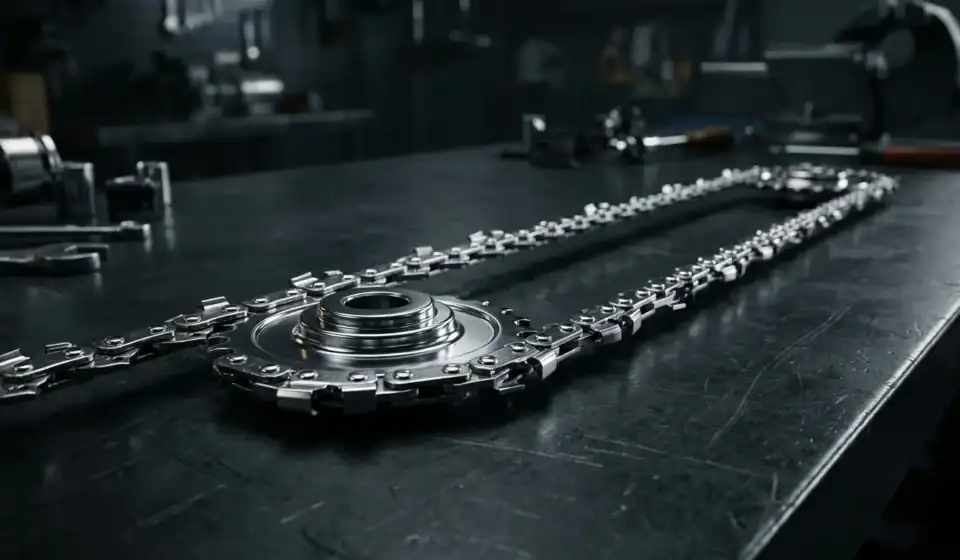
Your chain is the most critical cutting component, and choosing the right one for your application can be a game-changer. Most chainsaws come with a fairly standard, often semi-chisel, chain from the factory. While great for general use, there are better options for specific tasks.
- Full Chisel Chain: For those who cut a lot of clean, softwoods, upgrading to a full chisel chain can dramatically increase cutting speed. Its sharp, square-cornered cutters slice through wood aggressively. For example, moving from a standard semi-chisel to a full chisel chain like Oregon’s 72LGX (for a 3/8″ pitch setup) on a 20-inch bar can make your saw feel like it gained horsepower. However, be aware that full chisel chains dull faster in dirty wood and require a bit more precision to sharpen.
- Semi-Chisel Chain: If you’re often cutting dirty wood, frozen wood, or hardwoods, a high-quality semi-chisel chain is still an excellent choice. Its rounded corners are more forgiving and hold an edge longer in challenging conditions. The upgrade here isn’t necessarily type, but quality. Invest in a premium semi-chisel chain from a reputable brand for better steel and consistent cutting.
- Low-Profile/Micro-Chisel Chain: For smaller saws or users prioritizing reduced kickback, especially on homeowner models, sticking with a low-profile chain is wise. An upgrade here might mean ensuring you have a fresh, sharp chain with good quality steel, rather than changing the type.
Remember, a sharp chain is a safe chain. No upgrade will compensate for a dull edge. Always keep your chain sharp and properly tensioned for optimal performance and safety. A good quality chain, matched to your cutting task, is one of the most effective upgrades you can make.
Guide Bars: Guiding Your Cut with Precision
The guide bar plays a crucial role in supporting the chain and directing the cut. Upgrading your guide bar can improve balance, reduce friction, and allow for better cutting. What would you choose if your current bar is worn or simply not up to the task?
- Bar Length: While it might seem like a simple change, going up one size in bar length (e.g., from 16″ to 18″ or 18″ to 20″) can be an effective upgrade, provided your saw’s engine has enough power to comfortably drive the longer chain. Trying to run a 20-inch bar on a 30cc saw is a recipe for frustration and premature wear. Always check your chainsaw’s manual for recommended maximum bar lengths.
- Bar Type & Material: Many homeowner saws come with laminated bars, which are lightweight but less durable. Upgrading to a solid steel bar with a replaceable sprocket nose, like a Stihl Rollomatic E or an Oregon PowerCut, can offer increased durability, better chain support, and smoother operation, especially for frequent cutting. These bars often feature better oiling holes and tougher rails, reducing wear over time.
A high-quality guide bar will last longer, dissipate heat more effectively, and ensure your chain runs smoothly, leading to less friction and more power directed to the cut. Always ensure your new bar matches your saw’s mounting pattern and chain pitch.
Power & Efficiency Enhancers: Engine & Drivetrain Upgrades
So, we’ve talked about the cutting end of things. Now, let’s dive into what makes the saw truly roar: its engine and power delivery system. Small tweaks here can significantly boost your saw’s power and efficiency.
Sprockets: Optimizing Power Delivery
The sprocket is responsible for driving the chain around the guide bar. It’s a small part, but its condition and type can greatly impact your saw’s performance.
- Rim Sprocket Conversion: Many entry-level saws come with a spur sprocket, which is a fixed part of the clutch drum. Upgrading to a rim sprocket system, where the sprocket is a replaceable ring that floats on the clutch drum, is a huge performance boost. Rim sprockets allow the chain to align itself better, reducing friction and wear on both the chain and the bar. They also allow you to easily change the tooth count.
- Tooth Count: Changing the number of teeth on your sprocket can alter your saw’s cutting characteristics. A sprocket with more teeth (e.g., going from a 7-tooth to an 8-tooth) will increase chain speed, which is great for faster cuts in smaller diameter wood. However, it will also reduce torque, making it harder for the saw to power through large, dense logs. Conversely, fewer teeth mean more torque for big cuts, but slower chain speed. Experimenting with different tooth counts (within your saw’s capacity) can help tailor its performance to your typical tasks.
A worn sprocket can also damage your chain and bar, so replacing it regularly (typically every two chain replacements or when you replace the bar) is crucial for maintaining optimal cutting efficiency.
Air Filters: Letting Your Engine Breathe Easier
This might seem basic, but a clean, efficient air filter is paramount for engine performance. A clogged or restrictive air filter chokes your engine, reducing power and increasing fuel consumption.
While often overlooked, upgrading to a high-quality, aftermarket air filter designed for better airflow can make a noticeable difference. Some brands offer filters with finer filtration without sacrificing airflow, which is ideal for dusty conditions. Regularly cleaning your air filter, or replacing it with a fresh one, is one of the cheapest and most effective “upgrades” you can do. Honestly, I’ve seen saws struggling simply because of a clogged filter – it’s an easy fix with big results.
Muffler Modifications: Uncorking Power (with Caution!)
This is where things get a bit more advanced, and I must add a significant word of caution. Modifying your muffler can indeed increase exhaust flow, potentially leading to more power. This often involves porting the muffler or removing internal baffles. However, it’s not a simple bolt-on upgrade.
For example, imagine this situation: a client of mine once drilled extra holes in his muffler without understanding the consequences. While the saw sounded louder, it ran terribly, lost power, and ultimately seized due to running too lean. Why? Because increasing exhaust flow changes the engine’s air-to-fuel ratio, requiring a complete carburetor re-tuning. Without proper tuning, you risk severe engine damage from overheating or running too lean.
A muffler modification should only be attempted by experienced individuals who understand two-stroke engine tuning or taken to a professional shop. It can also void your warranty and may not be legal in all areas due to noise and emissions regulations. While it can unlock some hidden horsepower, proceed with extreme caution and professional guidance. For most homeowners, this is an upgrade best left alone.
Comfort, Control, and Durability Upgrades
Performance isn’t just about raw cutting power; it’s also about how comfortably and safely you can operate your saw for extended periods. These upgrades might not make your saw cut faster, but they can make you more effective and reduce fatigue.
Anti-Vibration System Components
Chainsaws are powerful tools, and that power often comes with significant vibration. Over time, excessive vibration can lead to operator fatigue and even conditions like White Finger Syndrome. Your saw’s anti-vibration system uses rubber mounts or springs to isolate the handles from the engine. If these components are worn or hardened, they lose their effectiveness.
Replacing old, stiff anti-vibration mounts with fresh, high-quality OEM (Original Equipment Manufacturer) or equivalent aftermarket parts can dramatically improve operator comfort. This isn’t a power upgrade, but it’s a huge upgrade in user experience, especially if you spend long hours cutting. Better comfort means better control and safer operation.
Clutch Assembly: Smooth Power Transfer
The clutch is responsible for engaging the chain when the engine revs up and disengaging it at idle. A worn or slipping clutch can lead to inefficient power transfer, overheating, and premature wear on other components. If your saw bogs down easily, or the chain doesn’t engage smoothly, a worn clutch might be the culprit.
Upgrading to a heavy-duty clutch assembly, especially if you frequently cut large diameter wood or push your saw hard, can ensure more reliable power transfer and increased durability. This means less slippage and more direct power to the chain, which translates to more effective cutting when you need it most.
Final Thoughts: Is an Upgrade Worth It?
So, after all this, is an upgrade truly worth it, or should you just buy a new saw? That’s the million-dollar question, and based on my experience, it really depends on your saw’s current condition and your goals.
For a healthy chainsaw with a solid engine, strategic upgrades to the chain, guide bar, and sprocket can offer significant performance improvements for a fraction of the cost of a new saw. These are often the most impactful and safest upgrades for the average user. They directly enhance cutting efficiency and ease of use. At Best Professional Chainsaw, we always encourage informed decisions, and these core upgrades are usually a safe bet.
However, if your saw’s engine is tired, constantly needs repairs, or simply lacks the power for your desired tasks, even the best upgrades might just be throwing good money after bad. In such cases, investing in a new, more powerful chainsaw that meets your needs from the outset might be the more practical and cost-effective long-term solution. Always assess your saw’s overall health before embarking on an upgrade path, and when in doubt, consult with a trusted chainsaw professional.