


Introduction to Felling Large Trees
As a homeowner, DIY enthusiast, or landowner, you may encounter situations where you need to fell a large tree. This can be a daunting task, especially if you’re new to using chainsaws. Felling large trees requires a combination of knowledge, skill, and experience to ensure a safe and successful outcome. You’ll need to consider factors like the tree’s size, shape, and location, as well as the surrounding environment and potential hazards. So, what are the key considerations when it comes to felling large trees with chainsaws?
Table Of Content
- Introduction to Felling Large Trees
- Safety Considerations and Precautions
- Personal Protective Equipment
- Planning the Felling Operation
- Determining the Felling Direction
- Advanced Felling Techniques and Tools
- The Open-Face and Conventional Methods
- Maintenance and Safety Protocols
- Regular Maintenance and Inspection
Let’s start with a real-world example. Imagine you have a large oak tree in your backyard that’s become a hazard due to its proximity to your house. You’ve decided to fell the tree, but you’re not sure where to start. You’ll need to assess the tree’s condition, including any signs of decay or weakness, and identify potential hazards like power lines or nearby buildings. You’ll also need to determine the felling direction, taking into account the tree’s lean, branch structure, and surrounding environment.
According to the United States Forest Service, tree felling is one of the most hazardous operations in forestry, with a fatality rate of 138 per 100,000 workers per year. This highlights the importance of proper training, equipment, and safety protocols when felling large trees. As you prepare to fell your tree, you’ll need to consider the risks and take steps to minimize them.
Safety Considerations and Precautions
Personal Protective Equipment
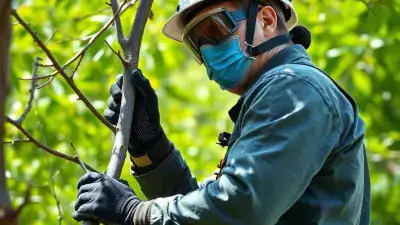
When it comes to felling large trees, safety should always be your top priority. You’ll need to wear personal protective equipment (PPE) to minimize the risk of injury. This includes a hard hat, safety glasses, ear protection, and chainsaw chaps. Chainsaw chaps are especially important, as they can help prevent severe cuts to your legs in the event of a chainsaw kickback. You should also wear sturdy boots, gloves, and a first aid kit should be nearby in case of an emergency.
In addition to PPE, you’ll need to assess the tree’s condition and identify potential hazards. This includes looking for signs of decay or weakness, such as cracks, splits, or dead branches. You should also check for any nearby obstacles, like power lines, buildings, or other trees that could be affected by the felling operation. Notifying nearby residents or workers of the felling operation is also crucial to prevent accidents.
According to the Occupational Safety and Health Administration (OSHA), the most common causes of tree felling accidents include inadequate training, poor equipment maintenance, and failure to follow safety protocols. To avoid these pitfalls, you should ensure that you’re properly trained and equipped to fell large trees, and that you follow established safety protocols.
Planning the Felling Operation
Determining the Felling Direction
Once you’ve assessed the tree’s condition and identified potential hazards, you’ll need to determine the felling direction. This involves evaluating the tree’s lean, branch structure, and surrounding environment to predict how it will fall. You should consider factors like the tree’s weight distribution, the location of any nearby obstacles, and the direction of the wind. The goal is to fell the tree in a direction that minimizes the risk of damage or injury.
There are several techniques you can use to determine the felling direction, including the “open-face” and “conventional” methods. The open-face method involves making a horizontal cut on the side of the tree, followed by a vertical cut, to create a hinge. This technique is suitable for large trees with a straight trunk and a relatively small branch structure. The conventional method, on the other hand, involves making a diagonal cut on the side of the tree, followed by a horizontal cut, to create a hinge. This technique is suitable for large trees with a complex branch structure or a significant lean.
Using the right chainsaw and bar length is also crucial when felling large trees. A chainsaw with a powerful engine (at least 50cc) and a long bar (at least 20 inches) will give you the cutting power and control you need to fell large trees safely and efficiently. Some popular chainsaw models for felling large trees include the Husqvarna 372 XP and the Stihl MS 661 C-M.
Advanced Felling Techniques and Tools
The Open-Face and Conventional Methods
Now that you’ve determined the felling direction, it’s time to execute the felling operation. The open-face and conventional methods are two of the most common techniques used for felling large trees. The open-face method involves making a horizontal cut on the side of the tree, followed by a vertical cut, to create a hinge. This technique is suitable for large trees with a straight trunk and a relatively small branch structure.
The conventional method, on the other hand, involves making a diagonal cut on the side of the tree, followed by a horizontal cut, to create a hinge. This technique is suitable for large trees with a complex branch structure or a significant lean. In both cases, you’ll need to use a chainsaw with a powerful engine and a long bar to make the cuts. You should also use wedges and other tools to help control the felling direction and prevent the tree from getting stuck.
Using wedges and other tools is an essential part of felling large trees. Wedges can be used to lift the tree’s trunk and guide its fall, while other tools like felling levers and rope can be used to help control the tree’s movement. You should always use caution when handling these tools, as they can be hazardous if not used properly.
Maintenance and Safety Protocols
Regular Maintenance and Inspection
Finally, it’s essential to maintain your chainsaw and follow safety protocols to ensure a safe and successful felling operation. Regular maintenance includes checking the chainsaw’s chain, bar, and engine, as well as lubricating the chain and bar. You should also inspect the chainsaw’s safety features, such as the chain brake and kickback mechanism, to ensure they’re functioning properly.
Following safety protocols is also crucial when felling large trees. This includes wearing PPE, assessing the tree’s condition, and identifying potential hazards. You should also have a first aid kit nearby and know how to respond in case of an emergency. By following these protocols and maintaining your chainsaw, you can minimize the risk of injury or damage and ensure a safe and successful outcome.
In conclusion, felling large trees with chainsaws requires a combination of knowledge, skill, and experience. By following the techniques and protocols outlined in this article, you can minimize the risk of injury or damage and ensure a safe and successful outcome. Remember to always prioritize safety, plan carefully, and execute the felling operation with precision and control.