

Safe Chainsaw Transport & Storage: Protecting Your Tool and Vehicle
As a chainsaw owner, you understand the power and utility these tools offer. But just as important as knowing how to use your chainsaw safely is understanding how to transport and store it correctly. Improper handling can lead to serious injuries, damage to your valuable equipment, or even harm to your vehicle. As your trusted chainsaw professional, I’m here to guide you through best practices for keeping your chainsaw, and everyone around it, safe.
Table Of Content
Safe Chainsaw Transport: Getting Your Tool to the Job Site
Whether you’re moving your chainsaw across the yard or across town, safety is paramount. Here’s how to do it right:
- Engage the Chain Brake: This is your first line of defense. Always ensure the chain brake is fully engaged before moving or loading your chainsaw. This prevents accidental chain rotation.
- Use a Bar Cover (Scabbard): A sturdy bar cover is non-negotiable. It protects the sharp chain from dulling and, more importantly, protects you and your vehicle from accidental cuts. Ensure it fits snugly over the guide bar and chain.
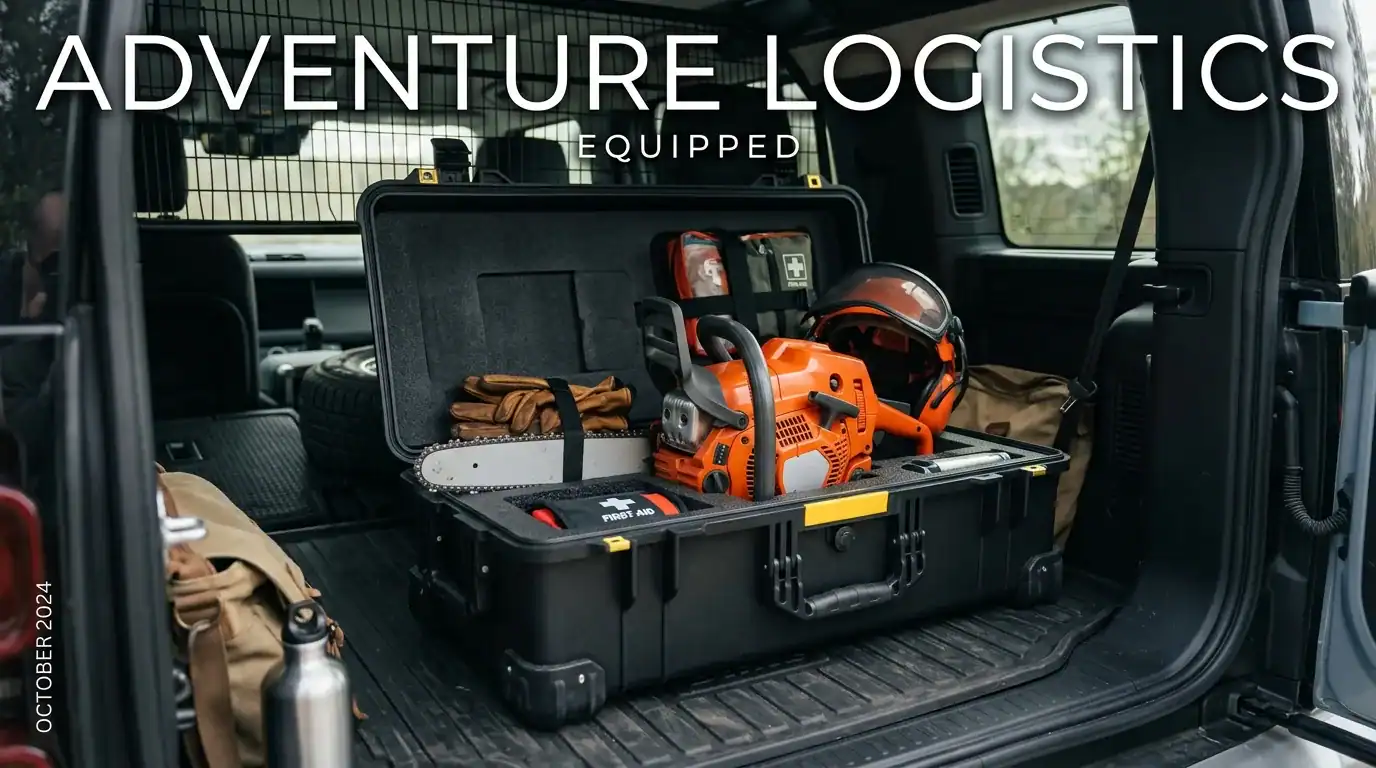
- Consider a Chainsaw Case: For the ultimate protection, invest in a dedicated chainsaw case.
- Hard Cases: These offer superior protection against impacts, dust, and moisture. Many come with custom-molded interiors that hold the saw securely, preventing movement during transit. They’re excellent for storing your saw in a truck bed or trailer.
- Soft Bags: While less protective against impact, soft bags (often made of durable canvas) are good for lighter-duty transport and can help keep sawdust contained. They usually have pockets for spare chains, tools, and oil.
A good case helps organize your gear and keeps everything together, whether you have a small homeowner saw with a 14-inch bar or a professional model with a 20-inch guide bar.
- Secure Your Chainsaw in the Vehicle: Never just toss your chainsaw into a vehicle.
- Prevent Movement: Use tie-down straps or bungee cords to secure the chainsaw, especially if it’s in a truck bed or trailer. Even inside an SUV or car, ensure it’s firmly placed where it can’t slide around or tip over.
- Keep Away from Passengers: Ideally, transport chainsaws in a separate compartment or a truck bed. If it must be inside a passenger vehicle, secure it in the trunk or cargo area, away from occupants.
- Protect Vehicle Interior: Place a tarp, rubber mat, or old blanket under the chainsaw, even if it’s cased. Chainsaws often leak small amounts of bar oil or fuel, which can stain or damage upholstery and carpets.
- Handle Fuel and Oil Separately:
- Approved Containers: Always transport fuel and bar oil in their designated, sealed, and approved safety containers. Never use old milk jugs or unsealed bottles.
- Ventilation: Store fuel cans in a well-ventilated area, preferably outside the passenger compartment of your vehicle (e.g., in a truck bed or on a trailer). Fumes can build up in enclosed spaces and pose a fire hazard.
- Empty for Long Trips (Optional): For very long drives or if you anticipate rough terrain, you might consider emptying the fuel tank and running the carburetor dry. This prevents leaks and reduces fire risk, though it’s often overkill for routine trips.
Safe Chainsaw Storage: Protecting Your Investment
Proper storage is crucial for extending your chainsaw’s lifespan and ensuring it’s ready to go when you need it. Think of it as putting your tool to sleep properly.
- Clean Before Storage: Before storing your chainsaw, especially for longer periods, give it a thorough cleaning. Remove sawdust, sap, and debris from the air filter, cooling fins, guide bar groove, and around the sprocket. A clean saw is a happy saw!
- Fuel Management is Critical: This is one of the most important steps for long-term storage.
- Short-Term (a few weeks): If you’ll be using your saw again within a few weeks, using a high-quality fuel stabilizer in your mixed fuel can prevent ethanol separation and fuel degradation.
- Long-Term (over a month): For seasonal or extended storage, you absolutely must drain the fuel tank. Then, start the engine and let it run until it completely runs out of fuel. This ensures the carburetor is dry, preventing sticky fuel deposits (gumming) that can clog fuel lines and jets, leading to difficult starts and expensive repairs come spring.
- Drain Bar Oil: While not as critical as fuel, draining the bar oil reservoir is also a good practice to prevent leaks and mess during storage.
- Inspect and Maintain:
- Chain Condition: Sharpen your chain or replace it if it’s worn out. A sharp chain is safer and more efficient. For very long storage, some experts recommend removing the chain entirely, cleaning it, and coating it with a light oil to prevent rust.
- Spark Plug & Air Filter: Give them a quick check. Clean or replace the air filter if it’s dirty, and inspect the spark plug for fouling.
- Choose the Right Storage Location:
- Dry and Ventilated: Store your chainsaw in a dry, well-ventilated area to prevent rust and mildew. A garage, shed, or workshop is ideal.
- Temperature Control: Avoid extreme temperature fluctuations. Intense heat can degrade fuel and plastic components, while extreme cold can make plastics brittle.
- Secure and Safe: Keep your chainsaw out of reach of children and pets. Hang it securely on a wall mount or store it in its hard case on a high shelf or locked cabinet. This prevents accidental contact with the chain and protects the saw from falling.
- Away from Flammables: Never store a chainsaw (especially with fuel in it) near pilot lights, water heaters, furnaces, or other ignition sources.
Final Thoughts from Your Chainsaw Expert
Proper transport and storage aren’t just about preserving your chainsaw; they’re about ensuring safety for you, your family, and your property. Taking these extra steps will save you headaches, money, and potential accidents down the line. Treat your chainsaw with the respect it deserves, and it will serve you reliably for years to come. For more insights on maintaining your outdoor power equipment, including advanced chainsaw maintenance, explore other articles here on Best professional chainsaw.