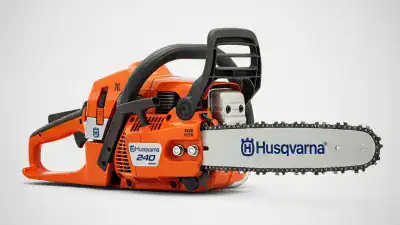


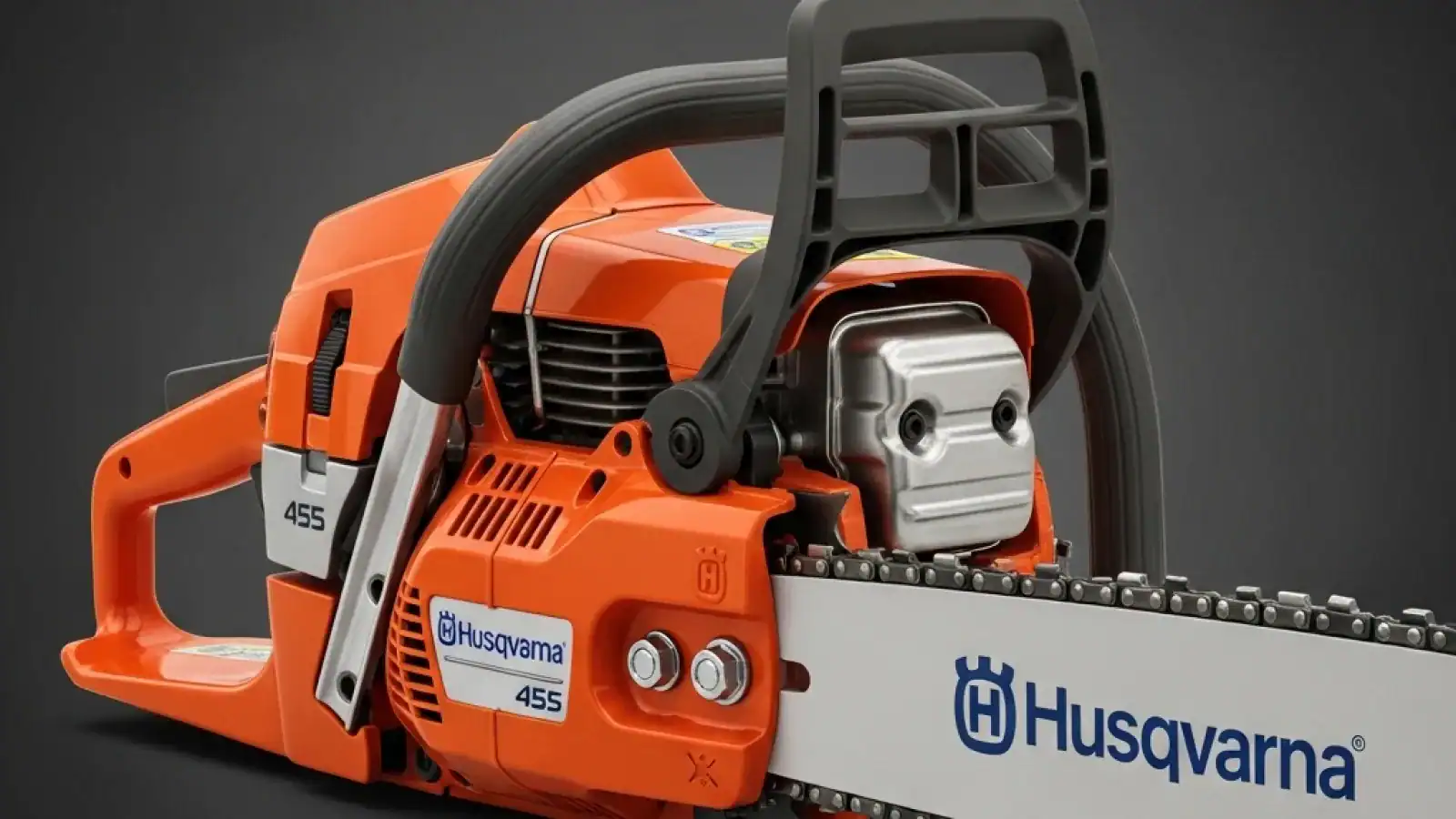

Understanding the Husqvarna 455 Rancher: A Homeowner’s Workhorse
As an experienced arborist and outdoor power equipment specialist, I’ve seen countless chainsaws come and go. But some models truly stand the test of time, earning their reputation as reliable workhorses. The Husqvarna 455 Rancher is undeniably one of them. For homeowners, landowners, and even some professionals, it strikes that sweet spot between raw power, robust durability, and user-friendly features, without venturing into the hefty price tag of a full-blown commercial logging saw.
Table Of Content
- Understanding the Husqvarna 455 Rancher: A Homeowner’s Workhorse
- Husqvarna 455 Rancher: Detailed Specifications and Features
- Engine and Power
- Cutting Equipment: Bar and Chain
- Weight, Ergonomics, and Safety
- Operating and Maintaining Your Husqvarna 455 Rancher for Peak Performance and Safety
- Getting Started Safely: Fuel, Chain, and Bar
- Essential Maintenance Practices
- Safety First, Always
- Husqvarna 455 Rancher vs. Stihl MS 291: The Mid-Range Showdown
- Power, Performance, and Weight
- Features and Ergonomics
- Price and Availability
- Which One to Choose?
The 455 Rancher isn’t just a chainsaw; it’s a statement about getting serious work done. Whether you’re cutting a winter’s worth of firewood, felling a medium-sized tree that’s become a hazard, or tackling the aftermath of a storm, this saw is built to handle it. It’s often lauded for its versatility, bridging the gap between smaller, less powerful homeowner saws and heavier, more specialized professional models. But what truly makes it such a popular choice, and how does it stack up against the competition?
In this comprehensive guide, we’re going to peel back the layers of the Husqvarna 455 Rancher. We’ll dive deep into its core specifications, explore its key features, discuss essential maintenance practices, and provide practical advice for safe operation. We’ll also put it head-to-head with its closest rival, the Stihl MS 291, to help you decide if the Rancher is the perfect fit for your cutting needs. Get ready to gain a professional’s insight into one of the most respected chainsaws on the market.
Husqvarna 455 Rancher: Detailed Specifications and Features
To truly appreciate the 455 Rancher, we need to look under the hood at its technical specifications and innovative features. These details are what translate into its impressive performance and ease of use in the field.
Engine and Power
- Engine Displacement (CC): The heart of the 455 Rancher is its robust 55.5 cc (cubic centimeter) two-stroke engine. This displacement places it firmly in the mid-range category, offering a significant power boost over smaller 40-50cc homeowner saws, without the weight and complexity of larger professional machines.
- Horsepower (HP): With approximately 3.5 HP (horsepower), this engine delivers ample cutting force, making quick work of dense hardwoods and larger diameter logs. It’s a comfortable power level for most demanding tasks a homeowner or landowner will encounter.
- Fuel System: Like all two-stroke engines, it requires a precise mixture of gasoline and two-stroke oil, typically a 50:1 ratio. Using the correct fuel mix is absolutely critical for engine longevity and performance.
Cutting Equipment: Bar and Chain
- Standard Bar Length Options: The Husqvarna 455 Rancher commonly comes equipped with either an 18-inch or 20-inch guide bar. These lengths provide an excellent balance for various tasks, from bucking firewood to felling medium-sized trees.
- Maximum Bar Length Compatibility: While 18-inch and 20-inch are standard, the 455 Rancher can comfortably support guide bars up to 24 inches for those occasional larger cuts. However, for continuous use with a 24-inch bar, you might experience a slight reduction in cutting speed and efficiency compared to shorter bars, as the engine works harder to pull the longer chain.
- Chain Pitch: The standard chain pitch is 0.325 inches. The chain pitch refers to the distance between three consecutive rivets, divided by two. It’s a key factor in how smoothly and aggressively a chain cuts.
- Chain Gauge: The typical chain gauge is 0.058 inches. The chain gauge is the thickness of the drive links, which fit into the guide bar groove. Matching the chain gauge to your guide bar groove is vital for proper fit and safe operation.
- Drive Links: The number of drive links varies with bar length (e.g., an 18-inch bar might use around 72 drive links, a 20-inch around 78).
Weight, Ergonomics, and Safety
- Weight: At approximately 12.8 lbs (without cutting equipment), the 455 Rancher is manageable for extended periods of use. Its power-to-weight ratio is a significant selling point, reducing fatigue compared to heavier saws.
- Smart Start® System: This feature significantly reduces the resistance in the starter cord, making pull starts easier and less strenuous. It’s a godsend on cold mornings or after a long break.
- LowVib® Technology: Husqvarna’s proprietary anti-vibration system uses dampeners to absorb vibrations, transferring less to the operator’s hands and arms. This drastically improves comfort and reduces the risk of white finger syndrome during prolonged use.
- Inertia-Activated Chain Brake: A critical safety feature that stops the chain instantly in the event of kickback, protecting the operator. Always ensure your chain brake is functioning correctly before starting any cutting task.
- Air Injection™ System: This centrifugal air cleaning system removes larger dust and debris particles before they reach the air filter, extending filter life and maintaining consistent engine power. Fewer stops for cleaning mean more time cutting.
Operating and Maintaining Your Husqvarna 455 Rancher for Peak Performance and Safety
Owning a powerful tool like the Husqvarna 455 Rancher is only half the battle; knowing how to operate it safely and maintain it properly is what truly unlocks its potential and ensures its longevity. Think of it as investing in your investment.
Getting Started Safely: Fuel, Chain, and Bar
Before you even think about starting your saw, conduct a thorough pre-operation check. First, ensure you’re using fresh, properly mixed fuel (50:1 gasoline to 2-stroke oil ratio). Stale fuel or incorrect mixtures can cause serious engine damage. Next, check your chain tension: it should be snug around the bar but still able to be pulled freely by hand. A loose chain can derail, while an overly tight one can cause premature wear to the bar and chain, and even the clutch.
Always fill the chain oil reservoir with quality bar and chain oil. This oil is crucial for lubricating the chain and bar, preventing excessive friction and heat buildup during cutting. I can’t stress this enough: never run your saw without adequate chain oil. It’s the quickest way to ruin your guide bar and chain.
Essential Maintenance Practices
Consistent maintenance is the secret to a happy, long-lasting chainsaw. After every use, take a few minutes to clean the air filter, especially if you’ve been cutting in dusty conditions. A clogged air filter chokes the engine, reducing power and increasing fuel consumption. Periodically, you’ll need to clean the cooling fins on the engine to prevent overheating.
Regularly sharpen your chain. A dull chain doesn’t just cut poorly; it forces you to push harder, increasing strain on both you and the saw, and dramatically raising the risk of kickback. You can use a round file appropriate for your chain’s pitch (typically 4.8mm or 3/16 inch for 0.325″ pitch chains) or invest in a quality chain sharpener. Don’t forget to flip your guide bar periodically to ensure even wear on both sides, and clean out the bar groove to remove sawdust and debris that can impede chain oil flow.
Safety First, Always
Operating a chainsaw, regardless of its features, carries inherent risks. Always wear appropriate personal protective equipment (PPE): a hard hat, eye protection (safety glasses and a face shield), hearing protection, chainsaw-specific gloves, chainsaw chaps (or pants), and steel-toed boots. Never operate a chainsaw alone; always have someone nearby who knows how to contact emergency services.
Be aware of your surroundings, clear your work area of obstacles, and plan your cuts carefully. Understand kickback zones and avoid cutting with the tip of the guide bar. Proper cutting techniques, such as bore cutting, felling notching, and limbing, should be learned and practiced before tackling larger jobs. The Husqvarna 455 Rancher is a powerful tool, and with great power comes great responsibility. Treat it with respect, and it will serve you well for years to come.
Husqvarna 455 Rancher vs. Stihl MS 291: The Mid-Range Showdown
For many aspiring chainsaw owners, the choice often boils down to two titans: Husqvarna and Stihl. When considering a mid-range chainsaw like the 455 Rancher, its most direct competitor is often the Stihl MS 291 Farm Boss. Both are fantastic saws, but they have subtle differences that might sway your decision.
Power, Performance, and Weight
On paper, both saws are very similar in terms of raw power. The Husqvarna 455 Rancher boasts a 55.5 cc engine, while the Stihl MS 291 comes in at 55.5 cc as well. This means both deliver comparable cutting performance, making them suitable for demanding tasks like felling medium trees (up to 20-24 inches in diameter), bucking large logs, and extensive firewood cutting. In terms of weight, the Husqvarna 455 Rancher is often slightly lighter, typically around 12.8 lbs (powerhead only), compared to the MS 291 which can be closer to 13.2 lbs. While a small difference, it can add up during extended periods of use, reducing operator fatigue.
Features and Ergonomics
Husqvarna’s 455 Rancher shines with its user-centric features. The Smart Start® system makes starting noticeably easier, a definite plus for those who find pull-starting challenging. Its LowVib® technology is highly effective at minimizing vibrations, enhancing comfort during long cutting sessions. Stihl, on the other hand, is renowned for its robust build quality, excellent fuel efficiency, and precise engineering. The MS 291 features Stihl’s anti-vibration system, which is also very good, and its ergonomic design is equally comfortable for most users. Some users report that Stihl’s chain oiling system tends to be more aggressive, which can be a pro or con depending on your preference for oil consumption versus lubrication.
Price and Availability
When it comes to the Husqvarna 455 Rancher price, it typically ranges from $450 to $550 USD, depending on the retailer, included bar length, and any ongoing promotions. It’s widely available at major hardware stores (like Lowe’s and Home Depot) and online retailers, making it easy to find a Husqvarna 455 Rancher for sale. Stihl models, including the MS 291, often command a slightly higher price point, generally falling in the $500-$600 range. A key difference in availability is that Stihl traditionally sells its chainsaws exclusively through authorized dealers, which means you typically can’t buy a new Stihl chainsaw online from a major retailer. This dealer network offers personalized service, but it might mean a longer drive for some.
Which One to Choose?
Ultimately, the choice between the Husqvarna 455 Rancher vs. Stihl MS 291 often comes down to personal preference, local dealer support, and specific feature priorities. If ease of starting and vibration reduction are top priorities, and you appreciate the convenience of buying from various retailers, the 455 Rancher is an excellent choice. If you prioritize maximum fuel efficiency, a slightly more robust feel, and value the direct support of a dedicated Stihl dealer, the MS 291 is a formidable contender. Both are professional-grade tools designed for demanding homeowner and landowner tasks, and neither will disappoint. I’ve used both extensively, and I can tell you that you’re getting a top-tier machine either way.
The Husqvarna 455 Rancher is more than just a chainsaw; it’s a testament to Husqvarna’s commitment to delivering professional-grade performance in a package that’s accessible and manageable for the serious homeowner or landowner. Its blend of power, innovative features like Smart Start® and LowVib®, and robust build quality make it an outstanding investment for anyone needing a reliable tool for consistent, demanding cutting tasks. Remember, a chainsaw is only as good as the operator using it and the care it receives. Invest in proper safety gear, commit to regular maintenance, and learn sound cutting techniques, and your 455 Rancher will be a trusted companion in the woods for many years to come.