



Introduction to Pole Saws
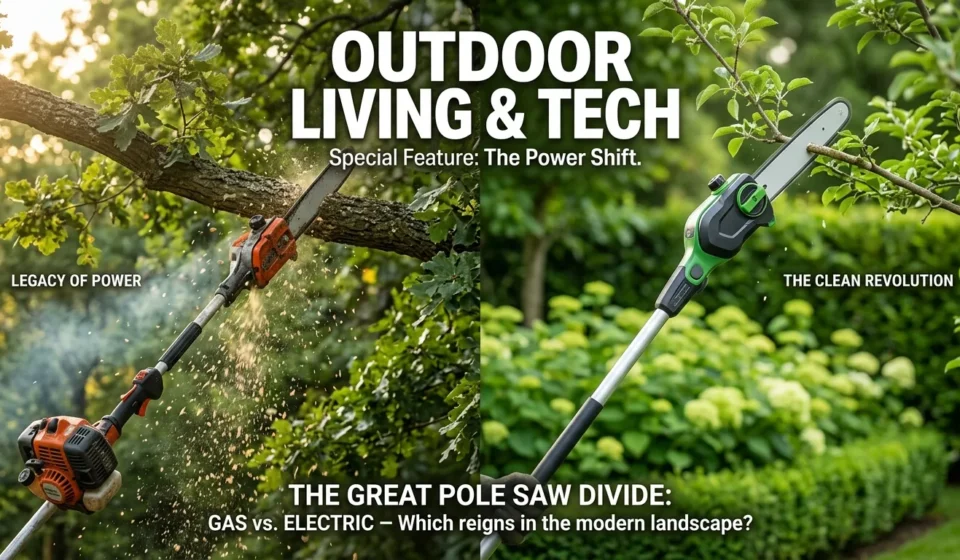
When it comes to cutting high branches, a pole saw is an essential tool for any homeowner, DIY user, or professional arborist. But what would you do in this situation: you’re standing in your backyard, looking up at a tree with branches that need to be trimmed, and you’re not sure which type of pole saw to use? Gas or electric? In my opinion, the choice between gas and electric pole saws depends on several factors, including the size of the job, the type of branches you’re cutting, and your personal preference.
Table Of Content
For example, imagine this situation: you’re a homeowner with a small tree that needs to be trimmed. You might consider using an electric pole saw, which is lightweight, easy to use, and requires minimal maintenance. On the other hand, if you’re a professional arborist with a large tree to trim, you might prefer a gas pole saw, which offers more power and can handle thicker branches.
Let me add something here: when choosing a pole saw, it’s essential to consider the bar length and engine power. A longer bar length allows you to cut higher branches, while a more powerful engine enables you to cut thicker branches. Based on my experience, a good starting point for a pole saw is a bar length of 8-10 inches and an engine power of 25-30 cc.
Gas Pole Saws
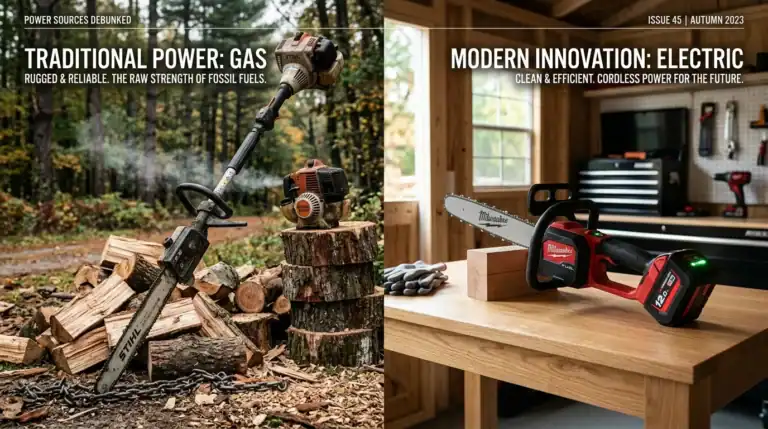
Advantages of Gas Pole Saws
Gas pole saws offer several advantages, including more power and a longer reach. They are ideal for cutting thicker branches and can handle heavy-duty jobs. Additionally, gas pole saws are often more portable than electric pole saws, as they do not require a power cord. Some popular gas pole saw models include the Husqvarna 327PT and the Stihl HT 131.
However, gas pole saws also have some disadvantages. They are typically heavier and more expensive than electric pole saws, and they require more maintenance, including regular oil changes and filter cleaning. Honestly, I believe that gas pole saws are best suited for professional arborists or homeowners with large trees to trim.
To be fair, gas pole saws can be noisy and produce emissions, which may be a concern for some users. But for those who need the power and portability of a gas pole saw, these drawbacks may be worth it. Here are some key features to consider when choosing a gas pole saw:
- Bar length: 8-12 inches
- Engine power: 25-40 cc
- Weight: 10-15 pounds
- Reach: 10-15 feet
Electric Pole Saws
Advantages of Electric Pole Saws
Electric pole saws, on the other hand, offer several advantages, including lightweight design, ease of use, and minimal maintenance. They are ideal for cutting smaller branches and are often more affordable than gas pole saws. Additionally, electric pole saws are quieter and produce no emissions, making them a more environmentally friendly option. Some popular electric pole saw models include the Black+Decker LPP120 and the Worx WG309.
However, electric pole saws also have some disadvantages. They are typically less powerful than gas pole saws and may not be able to handle thicker branches. Additionally, electric pole saws require a power cord, which can limit their portability. But what would you do in this situation: you’re a homeowner with a small tree to trim, and you want a lightweight and easy-to-use pole saw? In this case, an electric pole saw might be the perfect choice.
Based on my experience, electric pole saws are best suited for homeowners with small trees to trim or for DIY users who want a lightweight and easy-to-use pole saw. Here are some key features to consider when choosing an electric pole saw:
- Bar length: 6-10 inches
- Engine power: 4-6 amps
- Weight: 6-10 pounds
- Reach: 8-12 feet
Comparison of Gas and Electric Pole Saws
So far we covered the advantages and disadvantages of gas and electric pole saws. Now let’s get to the really critical point: which one is best for you? To make a decision, you need to consider your specific needs and preferences. Do you need to cut thick branches or small twigs? Do you prefer a lightweight and easy-to-use pole saw or a more powerful one?
Let me add something here: when comparing gas and electric pole saws, it’s essential to consider the cutting technique you’ll be using. If you’re cutting small branches, a gentle sawing motion may be sufficient. However, if you’re cutting thicker branches, you may need to use a more aggressive cutting technique, such as a pull-cut or a push-cut.
In my opinion, the best pole saw for you will depend on your specific needs and preferences. If you’re a professional arborist or a homeowner with large trees to trim, a gas pole saw may be the best choice. However, if you’re a DIY user or a homeowner with small trees to trim, an electric pole saw may be the way to go.
Conclusion
In conclusion, choosing the right pole saw for your needs can be a daunting task. But by considering the advantages and disadvantages of gas and electric pole saws, you can make an informed decision. Remember to consider the bar length, engine power, weight, and reach of the pole saw, as well as your specific needs and preferences.
So, what are you waiting for? Get out there and start trimming those branches! With the right pole saw and a little practice, you’ll be a pro in no time. And don’t forget to always follow safety practices when using a pole saw, including wearing protective gear and maintaining a safe distance from power lines.