


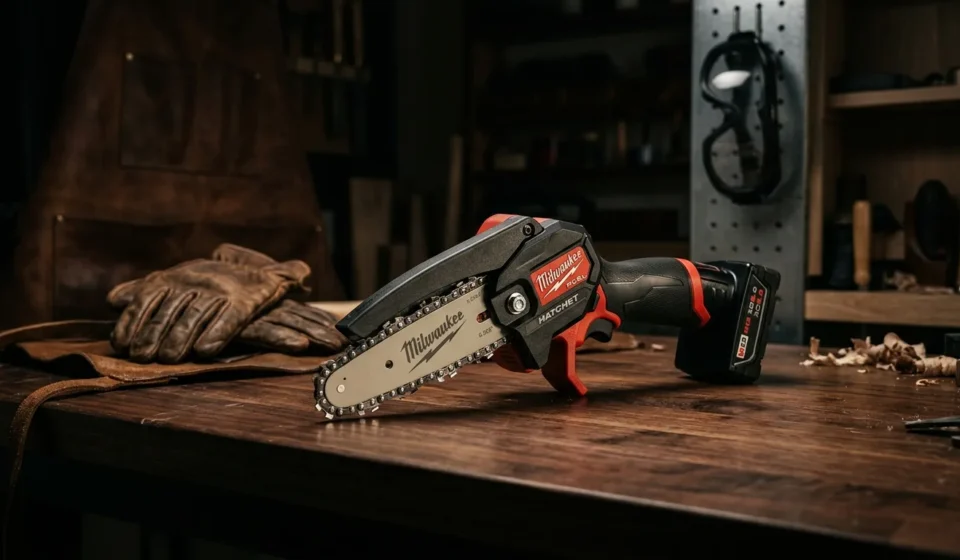

Don’t Underestimate the Small Guy: Why Mini Chainsaw Safety Matters
Mini chainsaws have exploded in popularity, and for good reason. Their lightweight design, often battery-powered convenience, and surprising cutting power make them incredibly appealing for quick yard work, pruning, and light limbing. They feel less intimidating than their full-sized counterparts, don’t they? But here’s the critical point: a chainsaw, no matter its size, is still a powerful cutting tool with a rapidly moving chain. Honestly, I’ve seen firsthand how quickly a moment of carelessness can turn a convenient tool into a dangerous one.
Table Of Content
- Don’t Underestimate the Small Guy: Why Mini Chainsaw Safety Matters
- Gearing Up Right: Your Personal Protective Equipment (PPE)
- Before the First Cut: Pre-Operation Checks and Site Preparation
- A Quick Tool Inspection
- Assessing Your Workspace
- Mastering the Cut: Techniques for Mini Chainsaws
- The Golden Rule: Two Hands Always!
- Dealing with Kickback: The Silent Threat
- Post-Cut Care and Continuous Vigilance
This compact size can sometimes lead to a false sense of security. Users might skip essential safety steps they’d never dream of neglecting with a larger saw. But why is safety so critical for something so small? Because the physics of cutting, the risks of kickback, and the potential for injury remain very real. In this guide, we’ll equip you with the knowledge to handle your mini chainsaw not just effectively, but above all, safely. Let’s make sure your compact cutter serves you well without any unwelcome surprises.
Gearing Up Right: Your Personal Protective Equipment (PPE)
Just because your mini chainsaw might have a 4-inch to 8-inch bar doesn’t mean you can skimp on safety gear. Think of it this way: the chain on these smaller saws still spins at thousands of feet per minute, and it doesn’t discriminate between wood and flesh. Your personal protective equipment (PPE) is your first and most crucial line of defense against accidents.
Here’s what I recommend, every single time, without exception:
- Eye Protection: Shatter-resistant safety glasses or a full face shield are non-negotiable. Wood chips, sawdust, and small debris can fly at high speeds, causing severe eye injury.
- Hand Protection: Heavy-duty work gloves provide grip, protect against cuts, and reduce vibration fatigue. Look for gloves with good dexterity so you can still operate the controls effectively.
- Ear Protection: Even battery-powered mini chainsaws produce noise that can damage your hearing over time, especially during extended use. Earplugs or earmuffs are a smart choice.
- Head Protection: While not always deemed essential for mini chainsaws, a hard hat is a wise investment if you’re working overhead or felling anything larger than small branches. Better safe than sorry, in my opinion.
- Sturdy Clothing & Footwear: Wear snug-fitting clothing that won’t snag on branches or the saw itself. Steel-toed boots or sturdy work boots with good ankle support are crucial for stability and protection against dropped tools or falling debris. Avoid loose-fitting clothes or jewelry.
Remember, this isn’t overkill; it’s smart practice. Never operate a chainsaw, big or small, without proper PPE.
Before the First Cut: Pre-Operation Checks and Site Preparation
So far, we’ve talked about getting geared up. Now, let’s get into the really critical point: preparing your tool and your workspace. What’s the absolute first thing you should do before even touching the trigger? A thorough pre-operation check, every single time.
A Quick Tool Inspection
Before plugging in or inserting the battery, take a moment to inspect your mini chainsaw. Look for any visible damage to the housing, bar, or chain. Is the chain sharp and properly tensioned? A dull chain is inefficient and significantly increases the risk of kickback. For most mini chainsaws, you should be able to pull the chain around the bar with a gloved hand, but it shouldn’t sag underneath. Check the oil reservoir if your model has one for automatic chain lubrication – some mini chainsaws require manual oiling before each use, so know your tool’s specifics. Ensure all nuts and bolts are tight.
If it’s a battery-powered unit, make sure the battery is fully charged. If it’s corded, inspect the power cord for any cuts or fraying. Always disconnect the power source (remove battery or unplug) before making any adjustments or inspections. This simple habit can prevent accidental startups.
Assessing Your Workspace
Next, take a good look at your cutting area. Clear away any obstacles, tripping hazards, or anything that might impede your movement. Ensure you have stable footing and a clear path to retreat if needed. Are there any hidden wires, fences, or pipes in the wood you plan to cut? Hitting metal with a chainsaw chain can cause serious damage to the saw and create dangerous shrapnel. Be aware of your surroundings, including people or pets, and keep them at a safe distance.
For example, imagine this situation: You’re in your backyard, trimming a low-hanging branch that’s brushing against the shed. You’re focused on the cut, but you didn’t notice the garden hose coiled loosely on the ground behind you. As you step back, you trip, losing control of the saw. This kind of scenario is precisely what pre-operation checks and site preparation aim to prevent. A clear workspace directly translates to a safer cutting experience.
Mastering the Cut: Techniques for Mini Chainsaws
With your PPE on and your workspace clear, it’s time to make some cuts. Even with mini chainsaws, proper technique is paramount for safety and efficiency. These aren’t toys; they demand respect and careful handling.
The Golden Rule: Two Hands Always!
This cannot be stressed enough: Always operate your mini chainsaw with two hands. One hand firmly on the front handle and the other on the rear handle, maintaining a secure grip. This provides maximum control, reduces fatigue, and significantly minimizes the risk of losing control, especially if the saw kicks back. Never attempt to cut with one hand, even for the smallest branches. It’s simply not worth the risk.
Maintain a balanced stance with your feet shoulder-width apart, distributing your weight evenly. Keep your arms slightly bent, not locked straight, to absorb any sudden movements. Position yourself so the wood you’re cutting is between you and the saw, never directly in front of your body.
Dealing with Kickback: The Silent Threat
Kickback is arguably the most dangerous phenomenon when operating any chainsaw, and mini chainsaws are not immune. It occurs when the tip of the guide bar (specifically the upper quadrant, known as the kickback zone) unexpectedly contacts wood or another hard object, or when the wood closes in and pinches the chain. The saw can then be violently propelled back towards the operator. Mini chainsaws often come with low-kickback chains and smaller bars to mitigate this, but it can still happen.
To prevent kickback:
- Avoid cutting with the tip or “kickback zone” of the bar.
- Always ensure the chain is sharp; dull chains are more prone to kickback.
- Don’t force the saw; let the chain do the work.
- Be aware of branches under tension that might pinch the bar. Cut these carefully, making relief cuts if necessary.
- Never cut above shoulder height, as this reduces your control and makes it harder to react to kickback.
When cutting small branches, support them properly to prevent them from snapping unexpectedly and pinching the bar. For branches on the ground, avoid cutting directly into the dirt, as this dulls the chain instantly and can lead to kickback. Always use a sawhorse or elevate the wood for a clean cut.
Post-Cut Care and Continuous Vigilance
Your cutting is done, but safety doesn’t end when the motor stops. Proper care and continuous vigilance ensure your mini chainsaw remains a reliable and safe tool for years to come. Honestly, I believe that neglecting maintenance is a common pathway to equipment failure and potential accidents.
After each use, especially if you’ve been cutting for a while, take a few minutes to clean your saw. Remove sawdust and debris from the motor housing, guide bar groove, and chain. Check the chain tension again; chains can stretch slightly with use. If your saw has a manual oiling system, ensure the chain is properly lubricated before storage. A well-maintained chain stays sharper longer, reduces friction, and performs more safely.
Always store your mini chainsaw in a dry, secure place, out of reach of children and unauthorized users. Engage any chain brakes or safety locks, and if it’s battery-powered, remove the battery. Regular sharpening of your chain is also paramount; a sharp chain cuts cleanly and efficiently, reducing the likelihood of kickback and making your work much easier. Don’t let a dull chain compromise your safety or productivity.
Staying informed and never becoming complacent with safety is key. Even experienced operators can benefit from a refresher on best practices. Your mini chainsaw is a fantastic tool for many tasks, but treating it with the respect it deserves will ensure you enjoy its benefits safely for a long time. For more in-depth chainsaw knowledge, including specific model reviews and maintenance guides, be sure to explore Best Professional Chainsaw.