
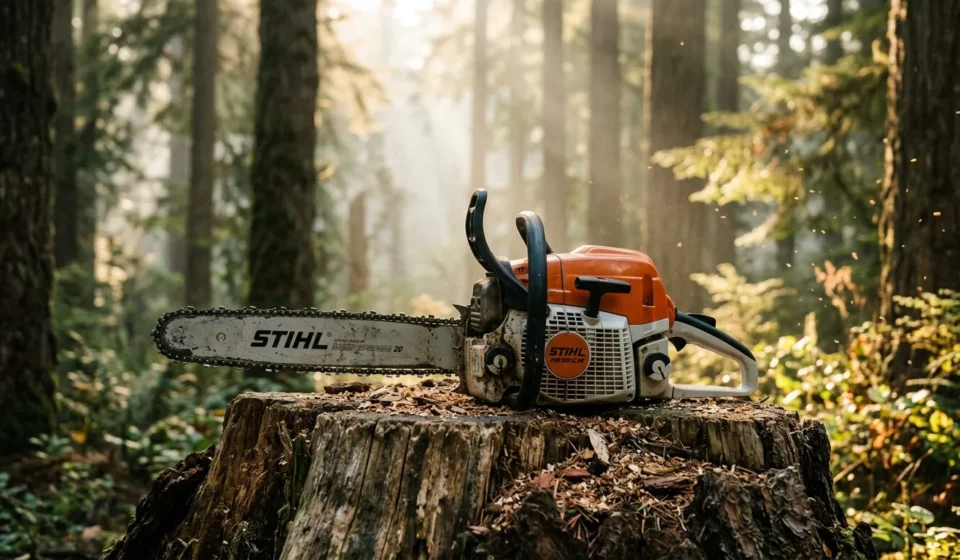

Unlock Efficiency: Why the Right Chainsaw Makes Limbing a Breeze
Limbing – the process of removing branches from a felled tree or standing timber – is often seen as the tedious part of logging or tree maintenance. But honestly, it’s where precision, safety, and the right tool truly shine. A poorly matched chainsaw can turn a simple task into a frustrating, exhausting, and even dangerous ordeal. On the flip side, a chainsaw that’s perfectly suited for limbing will make you feel like a maestro, effortlessly stripping away branches and leaving clean, marketable logs or tidy firewood piles.
Table Of Content
- Unlock Efficiency: Why the Right Chainsaw Makes Limbing a Breeze
- What Makes a Chainsaw Great for Limbing? Key Features to Look For
- Weight and Balance: Your Limbing Dance Partner
- The Right Bar Length and Chain Type
- Power-to-Weight Ratio and Maneuverability
- Gas, Battery, or Corded: Which Power Source Reigns for Limbing?
- Gas Chainsaws: The Traditional Workhorse
- Battery-Powered Chainsaws: The Modern Contender
- Corded Electric Chainsaws: For the Backyard Enthusiast
- Essential Safety and Limbing Techniques for Pros
- Prioritizing Safety: Gear Up!
- Mastering the Cut: The Art of Limbing
- Maintaining Your Limbing Machine for Peak Performance
- The Final Cut: Embrace the Limbing Pro Within You
Here at Best Professional Chainsaw, we often talk about raw power and cutting capacity, but limbing is a different beast. It demands a specific set of characteristics from your saw. We’re not always looking for the biggest, most powerful beast in the shed; sometimes, the nimble, well-balanced option is your true champion. So, let’s dive into what makes a chainsaw exceptional for efficient branch removal and how you can limb like a seasoned pro.
What Makes a Chainsaw Great for Limbing? Key Features to Look For
When you’re constantly moving around a log, making dozens, even hundreds of cuts, the features that matter most are often about handling and control, not just brute force. Forget the heavy, long-barred saws for a moment; we’re hunting for agility.
Weight and Balance: Your Limbing Dance Partner
In my opinion, the single most critical factor for limbing is a saw’s weight and balance. You’ll be holding the saw at various angles, often for extended periods. A heavy, unbalanced saw will quickly fatigue your arms and back, leading to sloppy cuts and increased risk. Look for saws that are under 10-12 pounds (powerhead only) and feel comfortable in your hands. A well-balanced saw, where the weight is evenly distributed, allows for precise control and reduces strain, letting you make those clean, efficient cuts all day long.
The Right Bar Length and Chain Type
For most limbing tasks, a bar length between 12 and 16 inches is ideal. A shorter bar (12-14 inches) offers maximum maneuverability, perfect for tight spaces and smaller branches. A 16-inch bar provides a bit more reach for slightly larger limbs without becoming cumbersome. Anything longer than that generally gets in the way and adds unnecessary weight.
As for the chain type, a low-profile, semi-chisel chain is often preferred. These chains have smaller cutters and a lower kickback tendency, making them safer and smoother for the numerous, often awkward cuts involved in limbing. They cut quickly through smaller diameter wood without bogging down, which is exactly what you need.
Power-to-Weight Ratio and Maneuverability
You need enough power to zip through branches without stalling, but not so much that the saw becomes unwieldy. A good power-to-weight ratio means you get efficient cutting without excessive bulk. For gas saws, engines in the 30-45cc range are often perfect. For battery saws, look for models with strong torque that maintain chain speed under load. Ultimately, you want a saw that feels like an extension of your arm, allowing for quick, fluid movements around the log.
Gas, Battery, or Corded: Which Power Source Reigns for Limbing?
This is where personal preference and the nature of your work really come into play. Each power type has its pros and cons for limbing.
Gas Chainsaws: The Traditional Workhorse
Gas chainsaws offer unmatched power and run time, making them excellent for extensive limbing jobs far from power outlets. They can handle a wider range of branch sizes and power through knots with ease. However, they are generally heavier, louder, require fuel mixing, and more maintenance.
- Pros: High power, long run time, no cord limitations, robust.
- Cons: Heavier, louder, fumes, more maintenance (fuel, air filters, spark plugs).
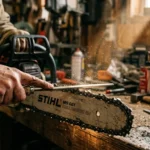
- Good Examples for Limbing: Models like the Stihl MS 170 or MS 180, or the Husqvarna 120 Mark II are fantastic entry-level gas saws. They typically feature 30-35cc engines and come with 14 or 16-inch bars, striking a great balance between power and manageable weight for limbing.
Battery-Powered Chainsaws: The Modern Contender
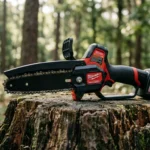
Battery chainsaws have revolutionized limbing for many homeowners and even professionals. They are significantly lighter, quieter, have zero emissions, and start instantly with the push of a button. They’re perfect for shorter, intermittent limbing tasks or when working in noise-sensitive areas. Their main limitations are battery life and generally lower power compared to gas, though this gap is rapidly closing.
- Pros: Lightweight, quiet, no fumes, instant start, low maintenance.
- Cons: Limited run time per battery, less power for very large branches.
- Good Examples for Limbing: The Stihl MSA 120 C-BQ or MSA 140 C-BQ, and the Husqvarna 120i are prime examples. These models are incredibly user-friendly, lightweight, and provide ample power for most common limbing tasks with 12-14 inch bars. Just make sure you have spare batteries charged!
Corded Electric Chainsaws: For the Backyard Enthusiast
Corded electric chainsaws are the lightest and quietest option, offering unlimited run time as long as you’re near an outlet. They are ideal for very light limbing around the house, like cleaning up storm debris or trimming small branches in your yard. Their biggest drawback is the limiting power cord, which makes them impractical for work far from a power source.
- Pros: Very lightweight, quiet, no fumes, unlimited run time, low cost.
- Cons: Limited by cord length, generally less powerful, cord can be a trip hazard.
- Good Examples for Limbing: Look for models from brands like Greenworks or Black+Decker with 12-16 inch bars, typically around 12-15 amps. They are excellent for specific, close-to-home tasks.
Essential Safety and Limbing Techniques for Pros
Having the right saw is only half the battle; knowing how to use it safely and effectively is crucial. Limbing, with its many awkward cuts and potential for kickback, demands respect.
Prioritizing Safety: Gear Up!
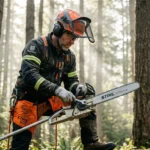
Before you even think about starting your saw, gear up. This isn’t optional; it’s non-negotiable. Always wear:
- Hard hat with face screen and hearing protection: Protects your head, eyes, and ears from falling debris and noise.
- Chainsaw safety chaps: Crucial for protecting your legs from chain contact.
- Heavy-duty work gloves: For grip and hand protection.
- Steel-toe boots: To protect your feet from falling wood or the saw.
Clear your work area of any tripping hazards. Plan your escape route. Always be aware of where your chain tip is and where your body is relative to the saw.
Mastering the Cut: The Art of Limbing
So far, we’ve covered the perfect tools for the job. Now, let’s get to the really critical point: how to actually perform the cuts. The goal is to remove branches efficiently and safely, minimizing the risk of kickback or pinching.
Work from the base to the tip: Start at the butt (thicker end) of the tree and work your way towards the top. This allows you to stand on the main trunk, keeping it stable and providing a clear path for severed branches to fall away. Always keep the trunk between you and the branch you’re cutting to prevent kickback from throwing the saw back at your body.
Beware of springpoles and tension: Branches, especially smaller ones, can be under significant tension, acting like “springpoles.” If you cut them incorrectly, they can snap back with surprising force, injuring you or causing the saw to kick back. Imagine this situation: you’re limbing a tree, and there’s a branch bent underneath the main trunk. If you cut it from the top down, that branch could spring up violently. What would you do in this situation?
The trick is to make a relief cut on the tension side first (the side being compressed), then complete the cut from the opposite side (the side being stretched). This releases the tension safely. For larger limbs, especially those that might pinch your bar, use a three-cut method:
- An undercut (relief cut) on the compression side, about 1/3 of the way through.
- A top cut from above, slightly further out from the trunk, until the branch snaps.
- A final clean-up cut flush with the trunk, ensuring the weight of the branch is gone.
Always keep a firm grip with both hands, using the saw’s bucking spikes (if it has them) as a pivot point for stability. And never cut with the tip of the bar – that’s a prime kickback zone!
Maintaining Your Limbing Machine for Peak Performance
A well-maintained chainsaw is a safe and efficient chainsaw. Especially with the rapid, repetitive cuts involved in limbing, your saw will appreciate some TLC.
- Keep your chain sharp: A dull chain is your worst enemy. It forces you to push harder, creates more sawdust than chips, increases fuel consumption (for gas saws), and significantly raises the risk of kickback. Sharpen your chain frequently, ideally after every few tanks of fuel or whenever you notice it’s not cutting efficiently.
- Bar maintenance: Regularly clean the guide bar groove to remove sawdust and debris. Flip your bar periodically to ensure even wear on both sides. Check for burrs on the rails and file them smooth.
- Clean air filter (gas saws): A clean air filter is vital for proper engine performance and longevity. Check and clean it after every few uses.
- General cleaning: After each use, clean the saw’s body, especially around the chain brake, clutch cover, and cooling fins. This prevents buildup that can affect performance and safety.
Honestly, proper maintenance isn’t just about making your saw last longer; it’s about making your work safer and more enjoyable. A sharp saw slices through wood, making limbing feel less like a chore and more like a satisfying task.
The Final Cut: Embrace the Limbing Pro Within You
Limbing might not be the most glamorous chainsaw task, but it’s fundamental for anyone working with wood. Choosing the right chainsaw – one that’s lightweight, well-balanced, and has the appropriate bar length and chain type – will transform your experience. Combine that with rigorous safety practices and smart cutting techniques, and you’ll not only be more efficient but also significantly safer.
So, take the time to assess your needs, select a saw that fits your specific limbing demands, and commit to mastering the techniques. Whether you opt for the robust power of a gas saw, the quiet convenience of a battery model, or the simplicity of a corded electric, remember that the true mark of a pro isn’t just having the best tool, but knowing how to use it safely and effectively. Now go forth, limb wisely, and enjoy the satisfaction of a job well done!