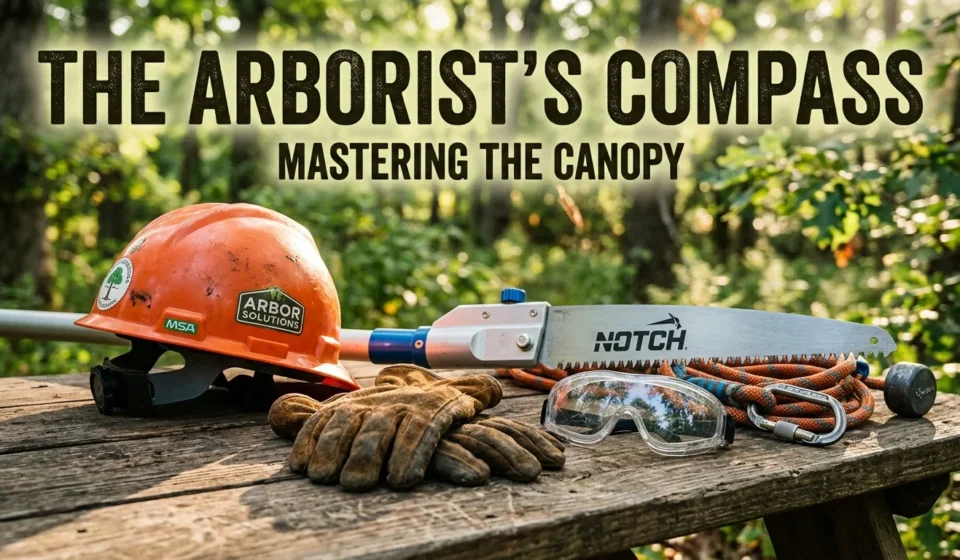

There’s a certain satisfaction that comes with maintaining your own property, especially when it involves taming unruly tree limbs. A pole saw is an incredibly useful tool for reaching those high branches safely from the ground. But let’s be honest, any tool that combines a powerful cutting chain with a long pole and operates over your head demands respect and a deep understanding of its dangers. As someone who’s spent years around chainsaws and outdoor power equipment, I’ve seen firsthand how quickly a routine trimming job can turn hazardous if safety isn’t paramount.
Table Of Content
- Understanding Your Pole Saw and Its Risks
- What Makes a Pole Saw Different?
- The Core Dangers: Gravity, Kickback, and Electrocution
- Essential Personal Protective Equipment (PPE)
- Head, Eye, and Ear Protection
- Hand and Body Protection
- Pre-Operation Checks and Site Assessment
- Inspecting Your Equipment
- Surveying Your Work Area
- Planning Your Cuts
- Safe Operating Techniques and Best Practices
- Proper Stance and Grip
- Making the Cut
- Managing the Load and Avoiding Power Lines
- Post-Operation Care and Storage
- Cleaning and Maintenance
- Safe Storage
This isn’t just about avoiding a few scratches; it’s about preventing serious injury, property damage, or even worse. Using a pole saw safely means understanding the tool, preparing your environment, and executing your cuts with precision and awareness. So, let’s dive into the essential safety precautions you absolutely need to know before you even think about firing up that pole saw.
Understanding Your Pole Saw and Its Risks
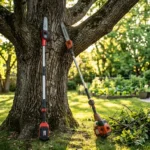
Before we talk about cutting, let’s talk about the tool itself. A pole saw, whether gas, electric, or battery-powered, essentially puts a small chainsaw head on the end of an extendable pole. This design allows you to prune branches that are typically out of reach without needing a ladder, which immediately eliminates one major hazard: falling from height. However, it introduces a host of new challenges that require careful consideration.
What Makes a Pole Saw Different?
The primary difference, of course, is the reach. You might be trimming a branch 10 to 15 feet above your head. This distance changes everything. It affects your ability to accurately judge the cut, the angle of the blade, and the path of the falling limb. The weight of the saw head at the end of a long pole also creates a leverage challenge, making the tool feel heavier and harder to control than a standard chainsaw, especially when extended. This unwieldiness can quickly lead to fatigue and loss of control, increasing your risk of an accident.
The Core Dangers: Gravity, Kickback, and Electrocution
When you’re working overhead, gravity is not your friend. Any branch you cut will fall, and you need to know exactly where it’s going to land. Uncontrolled falling limbs are a leading cause of pole saw injuries and property damage. Then there’s kickback, a sudden, forceful reaction where the saw chain on the nose of the guide bar hits an object or gets pinched, causing the saw to thrust rapidly backward and upward toward the operator. While less common with pole saws than handheld chainsaws due to the distance, it can still happen, especially if you’re not paying attention to the tip of the bar.
But what, in my opinion, is arguably the most terrifying and often underestimated risk? Power lines. Seriously, I cannot stress this enough. Pole saws give you the reach to accidentally contact overhead electrical wires. Even a momentary touch can lead to electrocution, which is almost always fatal. For example, imagine you’re reaching for that stubborn branch, just a few feet from a power line. You misjudge the distance, the pole touches the wire, and suddenly, you’re part of the electrical circuit. It happens quicker than you can react, and the consequences are catastrophic. This is why awareness of your surroundings is absolutely non-negotiable.
Essential Personal Protective Equipment (PPE)
You wouldn’t drive a race car without a helmet, right? The same goes for operating a pole saw. Your body is your most valuable asset, and protecting it should be your absolute priority. Skipping PPE is like playing Russian roulette; you might get lucky for a while, but eventually, the odds catch up. Here at Best Professional Chainsaw, we always advocate for the highest standards of safety gear.
Head, Eye, and Ear Protection
First up, your head. A sturdy safety helmet is crucial. Falling branches, even small ones, can cause serious head trauma. Many professional helmets come with integrated ear protection and a face shield, which brings us to the next point: your eyes and ears. Safety glasses or goggles are essential to protect against sawdust, wood chips, and small debris. A mesh or polycarbonate face shield offers even better protection for your entire face. And because pole saws, especially gas models, can be loud, ear protection – earmuffs or earplugs – is a must to prevent long-term hearing damage.
Hand and Body Protection
Your hands are right there on the pole, so a good pair of work gloves with good grip and some cut resistance is vital. They’ll protect against splinters, vibrations, and improve your hold on the tool. For your legs, I strongly recommend wearing chainsaw protective pants or chaps. These are made with special fibers designed to snag and stop a moving chain in the event of accidental contact. Trust me, they are a small investment compared to a trip to the emergency room. Finally, sturdy closed-toe boots with good ankle support, preferably steel-toed, will protect your feet from falling debris and provide a stable base.
Pre-Operation Checks and Site Assessment
Preparation is not just half the battle; it’s often the entire battle when it comes to safe pole saw operation. Before you even think about pulling the starter cord or pushing the power button, a thorough check of your equipment and your work area is essential.
Inspecting Your Equipment
Start with the pole saw itself. Is the chain sharp? A dull chain is inefficient, causes the saw to work harder, and significantly increases the risk of kickback and binding. Check the chain tension – it should be snug but still allow you to pull the chain around the bar by hand. Ensure the bar oil reservoir is full; the chain needs constant lubrication. For gas models, check the fuel level and mix. For battery-powered units, ensure the battery is fully charged. Inspect the pole for any damage, cracks, or loose connections, especially if it’s an extendable model. Make sure all fasteners are tight. Honestly, taking five minutes to do this can prevent hours of frustration or, worse, an accident.
Surveying Your Work Area
This is where many DIYers cut corners, and it’s incredibly dangerous. First and foremost: Look Up! Identify any and all power lines. If a branch is anywhere near a power line, even if you think you can reach it safely, *do not proceed*. Call a professional arborist or your utility company. It’s simply not worth the risk. Next, identify your “drop zone” – where the cut branches will fall. Clear away any people, pets, vehicles, or structures from this area. Also, create an escape route for yourself, so you can quickly move away from the drop zone once a branch starts to fall.
Planning Your Cuts
Don’t just randomly start cutting. Take a moment to plan your cuts. Which branches need to go first? How will they fall? Will a cut branch get hung up on other branches? Always consider the weight and leverage of the branch you’re cutting. Small branches can often be cut in one go. For larger limbs, you’ll want to use the “three-cut method”, similar to a regular chainsaw, to prevent the branch from peeling bark off the main trunk or pinching the saw blade. This involves an undercut, a top cut further out, and then a final cut closer to the trunk. We’ll delve into that more in a bit.
Safe Operating Techniques and Best Practices
Now that you’re geared up and your site is clear, let’s talk about how to actually make those cuts safely and efficiently. Proper technique isn’t just about getting the job done; it’s about minimizing risk and maximizing control.
Proper Stance and Grip
Always maintain a balanced stance with your feet shoulder-width apart. Hold the pole saw with both hands, one hand gripping the handle near the powerhead and the other hand firmly on the shaft. This two-handed grip provides maximum control and helps distribute the weight. Avoid over-extending the pole saw if it makes you lose your balance or struggle with control. It’s better to reposition yourself or, if the branch is still too far, accept that it’s a job for a professional.
Making the Cut
When cutting, let the saw do the work. Don’t force it. Apply moderate, consistent pressure. For smaller branches, a single cut from the top, just outside the branch collar, is usually sufficient. But what would you do in a situation where you’re dealing with a heavier limb? This is where the three-cut method comes in handy:
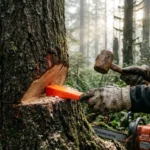
- Undercut: Make a shallow cut (about 1/3 of the way through the branch) on the underside of the branch, about a foot or so away from the main trunk. This prevents the bark from tearing down the trunk when the branch falls.
- Top Cut: Make a second cut on top of the branch, a few inches further out from your undercut. This will cause the branch to break and fall, preventing the saw from getting pinched.
- Final Cut: Once the main weight of the limb is gone, make a clean, final cut closer to the trunk, just outside the branch collar.
Always ensure the saw chain is clear of any other branches or obstructions before starting a cut. Never cut with the nose (tip) of the guide bar, as this is the primary area for kickback. Use the bottom portion of the bar for controlled cutting, pulling the saw into the wood.
Managing the Load and Avoiding Power Lines
Once a branch starts to fall, immediately pull the pole saw away and move to your pre-planned escape route. Never stand directly under a branch you are cutting. Be mindful of branches getting “hung up” in other limbs; these are unpredictable and can fall without warning. Use a raker or hook attachment if available to help pull down smaller, stuck branches, or a long pole to push them free from a safe distance.
Again, I must reiterate: STAY AWAY FROM POWER LINES. If you see them, assume they are live. If there’s any doubt about a branch’s proximity to a power line, even if it seems far, stop immediately and call a professional. No amount of tree trimming is worth your life.
Post-Operation Care and Storage
Your work isn’t done just because the last branch is on the ground. Proper post-operation care is crucial for the longevity of your pole saw and for ensuring it’s safe for the next use. It’s also part of being a responsible equipment owner.
Cleaning and Maintenance
After each use, clean your pole saw. Remove sawdust, sap, and debris from the chain, guide bar, and engine housing. A stiff brush and a little bar oil work wonders. Check the chain for any damage or dullness and sharpen it as needed. A sharp chain is a safe chain! Inspect the guide bar for burrs or uneven wear, and clean the guide bar groove. For gas models, check and clean the air filter, and consider draining fuel if storing for an extended period, or using a fuel stabilizer. For battery models, remove the battery for storage. Let me add something here: consistent, minor maintenance prevents major headaches down the road.
Safe Storage
Store your pole saw in a secure, dry place, out of reach of children and unauthorized users. Engage any chain brakes and use a guide bar cover. If it’s a gas model, ensure the fuel cap is tight and store it away from heat sources or open flames. For extendable poles, ensure they are retracted and locked securely or stored in a way that prevents accidental extension. Proper storage not only protects your investment but also prevents accidental activation or injury.
Operating a pole saw demands respect, attention to detail, and adherence to safety protocols. By understanding your equipment, wearing the right PPE, meticulously preparing your work area, and employing safe cutting techniques, you can effectively and safely manage your property’s trees. Remember, there’s no shame in calling a professional arborist for jobs that are beyond your comfort or skill level, especially when dealing with large limbs, difficult angles, or anything near power lines. Your safety, and the safety of those around you, is always the top priority. Stay safe out there, and happy trimming!