



Welcome to the world of Electric Chainsaws! These powerful tools are fantastic for homeowners, DIY enthusiasts, and landowners thanks to their convenience, lower noise levels, and reduced maintenance compared to gas models. They’re perfect for tasks like limbing branches, cutting firewood, or clearing brush. While electric chainsaws might seem less intimidating, they are still incredibly powerful machines that demand respect and a steadfast commitment to safety. As an experienced outdoor power equipment specialist, I’m here to guide you through the essential safety practices to ensure your cutting projects are not only efficient but, most importantly, safe.
Table Of Content
Essential Personal Protective Equipment (PPE)
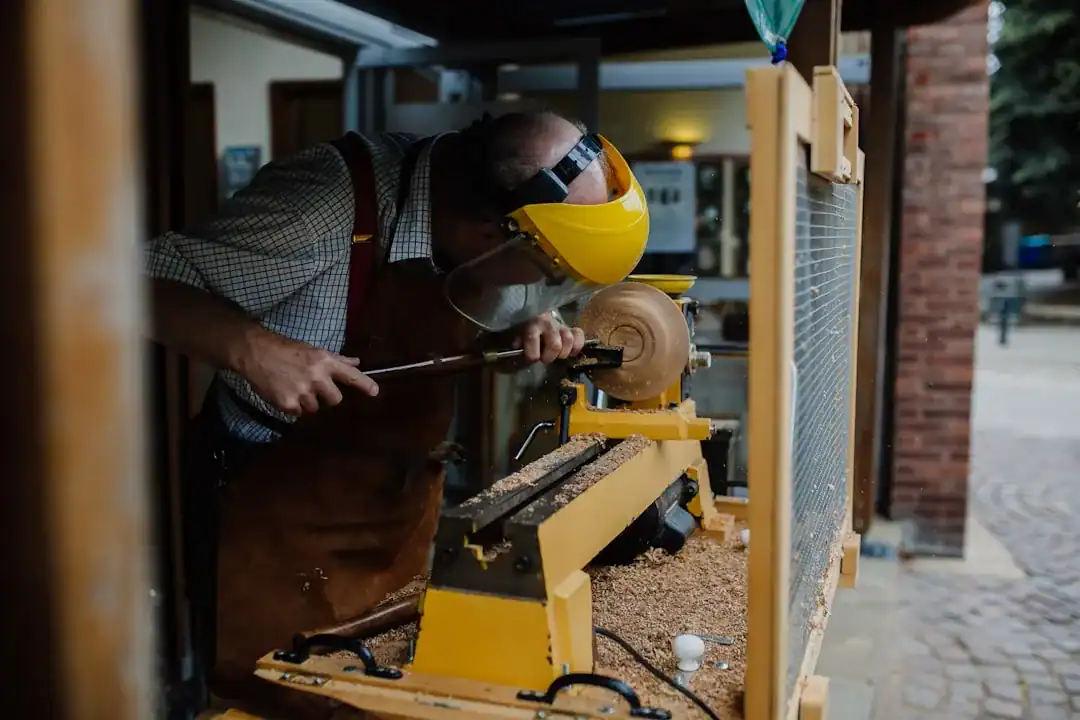
Before you even think about plugging in or powering up your electric chainsaw, you need to gear up. Proper Personal Protective Equipment (PPE) is your first line of defense against potential injuries. Never skip this step!
- Head Protection: A sturdy helmet with a face shield or safety glasses is crucial. The face shield protects you from flying debris, wood chips, and sawdust, while safety glasses offer an extra layer of eye protection.
- Hearing Protection: Even electric chainsaws produce noise levels that can damage your hearing over time. Earplugs or earmuffs are non-negotiable.
- Hand Protection: Wear heavy-duty work gloves, ideally those designed for chainsaw use with extra padding, to improve grip and protect against cuts and vibrations.
- Leg Protection: This is critical. Chainsaw chaps are made from special ballistic fibers that can stop a moving chain, preventing severe leg injuries. Always wear them.
- Foot Protection: Steel-toed boots offer protection from falling logs or the chainsaw itself. Ensure they have good ankle support and non-slip soles.
- Appropriate Clothing: Avoid loose-fitting clothing that could get caught in the chain. Opt for snug, durable garments. Long sleeves and pants are recommended to protect against scratches and UV exposure.
Before You Cut: Preparing for Safety
A safe cutting session starts long before the chain begins to spin. Take a few moments to prepare your work area and inspect your equipment.
Inspect Your Work Area
- Clear the Zone: Remove any obstacles, tripping hazards, or loose debris from around the area where you’ll be cutting. Ensure you have stable footing and a clear escape path.
- Identify Hazards: Look for hidden nails, wire, or other foreign objects in the wood that could cause kickback or damage your chain. For corded electric chainsaws, plan your cuts to avoid cutting the power cord. Use a properly rated outdoor extension cord that’s visibly marked and in good condition.
- Check for Bystanders: Ensure no one, especially children or pets, is within your working radius. A safety distance of at least 10 feet is a good rule of thumb.
Inspect Your Chainsaw
- Chain Tension: The chain should be snug against the guide bar but still able to be pulled around manually with gloved hands. Refer to your owner’s manual for specific tensioning instructions. A loose chain can derail; a too-tight chain can cause excessive wear.
- Chain Sharpness: A dull chain forces you to push harder, increasing the risk of kickback and making the saw work inefficiently. A sharp chain cuts cleanly and easily.
- Bar Oil: Always check the bar oil reservoir and fill it with appropriate bar and chain oil. This keeps the chain and guide bar lubricated, reducing friction and heat.
- Cord/Battery Check: For corded models, inspect the power cord for any cuts, fraying, or exposed wires. For cordless models, ensure the battery is fully charged and properly seated.
- Safety Features: Test your chain brake to ensure it engages properly. This essential safety feature stops the chain instantly in case of kickback or emergency. Also, ensure any tip guard (often found on smaller electric saws to prevent the tip from touching wood and causing kickback) is in place if your saw comes with one.
Safe Operation Techniques for Electric Chainsaws
With your PPE on and your chainsaw checked, it’s time to learn how to operate it safely and efficiently.
- Proper Grip and Stance:
- Always hold the chainsaw firmly with both hands, thumbs wrapped securely around the handles.
- Keep your feet shoulder-width apart for good balance. Your left hand should be on the front handle, and your right hand on the rear handle.
- Maintain a balanced stance, slightly to the left of the saw’s cutting path, so if kickback occurs, the saw is less likely to hit your head.
- Starting the Saw: Engage the chain brake before starting the saw. Once the motor is running, disengage the brake and bring the chain up to full speed before contacting the wood.
- Understanding Kickback: Kickback is the sudden, upward and backward movement of the chainsaw that can occur when the upper quadrant of the guide bar tip (the “kickback zone”) contacts wood, or when the wood closes in and pinches the chain in the cut.
- Always be aware of the kickback zone and avoid cutting with it.
- Use a low-kickback chain, which is standard on most homeowner electric chainsaws (e.g., those with a 12-inch to 18-inch bar).
- Keep a firm grip and stand to the side of the cutting plane, not directly behind it.
- Making Cuts:
- Let the saw do the work; don’t force it. Apply steady, moderate pressure.
- Always cut with the bottom of the guide bar (“pulling chain”), as this pulls the saw into the wood and provides more control.
- For limbing, support branches so they don’t fall unexpectedly or pinch the saw. Cut small branches from the top down.
- If cutting larger logs, consider making a relief cut from the top before cutting through from the bottom to prevent pinching.
- Managing the Power Cord (Corded Models): Always keep the power cord behind you and away from the cutting path. Loop the cord over your shoulder or use a cord hanger to prevent it from getting in the way or being cut.
- Never Cut Above Shoulder Height: This greatly increases the risk of losing control and experiencing kickback.
After the Cut: Storage and Maintenance
Safe operation extends to how you handle your chainsaw once the job is done.
- Unplug/Remove Battery: Always unplug a corded electric chainsaw from the power source or remove the battery from a cordless model immediately after you’re finished cutting, and before making any adjustments or cleaning. This prevents accidental starts.
- Clean Your Saw: Remove sawdust, wood chips, and debris from the guide bar, chain, and motor housing. A clean saw runs cooler and lasts longer.
- Store Safely: Engage the chain brake, replace the scabbard (bar cover) over the guide bar, and store your chainsaw in a dry, secure location, out of reach of children or unauthorized users.
Electric chainsaws are invaluable tools when used correctly and safely. By following these guidelines, you’ll gain confidence and proficiency, ensuring your cutting tasks are completed without incident. Always read your specific chainsaw’s owner’s manual thoroughly, practice caution, and respect the power of your tool. Happy cutting!