Chainsaw Chain Types: Your Guide to Choosing the Right One
Unlock Your Chainsaw’s Power: The Right Chain Makes All the Difference
Ever feel like your chainsaw isn’t cutting as efficiently as it should, even when it’s sharp? Or perhaps you’ve heard terms like “full chisel” or “low profile” and wondered what they actually mean for your work? The truth is, the chain you put on your chainsaw is arguably the most critical component for performance, safety, and the quality of your cut. It’s not just about sharpness; it’s about matching the chain to your saw, your task, and your experience level.
Table Of Content
- Unlock Your Chainsaw’s Power: The Right Chain Makes All the Difference
- Understanding the Basics: Pitch, Gauge, and Drive Links
- Chain Pitch Explained: Why It Matters
- Chain Gauge: The Bar’s Best Friend
- Drive Links: Counting for a Perfect Fit
- The Heart of the Cut: Chainsaw Cutter Types
- Full Chisel Chains: Aggressive Power for Pros
- Semi-Chisel Chains: The All-Rounder’s Choice
- Low Profile (Chipper) Chains: Safety First for Homeowners
- Specialty Chains (Brief Mention)
- Kickback Reduction: Safety Features to Look For
- Matching the Chain to Your Task and Chainsaw
- For General Firewood & Limbing (Homeowner/DIY)
- For Felling & Heavy-Duty Work (Experienced Users/Landowners)
- The Importance of Knowing Your Chainsaw Specs
- Maintenance and Sharpening: Keeping Your Chain Alive
As someone who’s spent decades around chainsaws, from limbing small branches to felling towering trees, I’ve seen firsthand the difference the right chain makes. A mismatched chain can turn a simple job into a frustrating, even dangerous, struggle. In this comprehensive guide, we’re going to break down everything you need to know about chainsaw chain types, ensuring you can confidently choose the best one for your needs, every single time. Let’s make your chainsaw work smarter, not just harder.
Understanding the Basics: Pitch, Gauge, and Drive Links
Before we dive into the exciting world of cutter shapes, we need to cover the fundamental measurements that define every chainsaw chain. Think of these as the chain’s DNA – they dictate whether it will even fit your chainsaw’s bar and sprocket. Get these wrong, and your saw won’t run, or worse, it could be unsafe.
Chain Pitch Explained: Why It Matters
Chain pitch refers to the average distance between three consecutive rivets on the chain, divided by two. It’s the critical measurement that determines if the chain’s drive links will fit into your saw’s sprocket and the grooves on your guide bar. Common pitches you’ll encounter include:
- 3/8″ Low Profile (LP) or Picco: This is the smallest pitch, commonly found on electric chainsaws, smaller gas saws (e.g., Stihl MS 170, Husqvarna 120 Mark II), and pole pruners. It’s great for light limbing and general homeowner tasks, prioritizing safety and smooth cutting.
- .325″: A very popular pitch for mid-range homeowner and farm chainsaws (e.g., Husqvarna 450, Stihl MS 250). It offers a good balance of cutting speed and manageable size for a variety of tasks, from felling small trees to cutting firewood.
- 3/8″: Often called “standard 3/8-inch” to distinguish it from its low-profile cousin. This pitch is a workhorse for professional chainsaws and larger homeowner models (e.g., Stihl MS 291, Husqvarna 460 Rancher). It provides excellent cutting power for felling medium to large trees and heavy firewood processing.
- .404″: This is the largest pitch, typically reserved for very large professional chainsaws used for logging, milling, and specialized applications. You won’t usually find this on homeowner saws.
Honestly, matching the pitch to your saw’s sprocket and bar is non-negotiable. It’s the first thing you need to check when buying a new chain. You can usually find this information stamped on your guide bar, in your chainsaw’s manual, or on the packaging of your old chain.
Chain Gauge: The Bar’s Best Friend
The chain gauge is the thickness of the drive links, the part of the chain that sits inside the groove of your guide bar. This measurement ensures a snug fit, preventing the chain from wiggling too much in the bar groove, which could cause poor cutting and premature wear. Common gauges include:
- .043″ (1.1mm)
- .050″ (1.3mm)
- .058″ (1.5mm)
- .063″ (1.6mm)
Just like pitch, your chain’s gauge absolutely must match the gauge of your guide bar. If the chain is too thin, it’ll wobble and wear out faster. If it’s too thick, it simply won’t fit. Again, check your bar for the stamped information, your manual, or the old chain’s packaging.
Drive Links: Counting for a Perfect Fit
The drive links are those small, pointy projections on the bottom of the chain that fit into the sprocket and guide bar groove. Their number determines the overall length of your chain. When purchasing a replacement chain, you need to know the exact number of drive links to ensure it’s the correct length for your guide bar. Too few, and it won’t stretch around the bar; too many, and you won’t be able to tension it properly. The easiest way to find this number is to count the drive links on your old chain or consult your chainsaw’s manual.
The Heart of the Cut: Chainsaw Cutter Types
So far we’ve covered the foundational measurements. Now let’s get to the really critical point: the shape of the cutter tooth itself. This is where the magic happens – or doesn’t – depending on your choice. There are three primary cutter types, each designed for different tasks and user experience levels.
Full Chisel Chains: Aggressive Power for Pros
Full chisel chains feature square-cornered cutters. Imagine a sharp, square corner slicing through wood fibers. This design allows them to cut very quickly and efficiently, making them the choice for experienced users who need maximum performance in clean wood. They literally “chisel” through the wood.
- Pros: Extremely fast cutting in clean wood, highly efficient for felling and bucking large timber.
- Cons: More prone to kickback due to their aggressive nature, dulls quickly in dirty or frozen wood, requires more skill to sharpen accurately.
- Ideal Use: Professional logging, felling large, clean trees, and experienced users prioritizing speed. An example would be an Oregon 72LGX chain on a Stihl MS 362.
Semi-Chisel Chains: The All-Rounder’s Choice
Semi-chisel chains have cutters with a rounded working corner. Instead of chiseling, they shave through the wood fibers. This design makes them much more forgiving than full chisel chains.
- Pros: Excellent versatility, stays sharp longer in dirty or abrasive wood (e.g., firewood with dirt/bark), reduced kickback compared to full chisel, easier to sharpen, good balance of speed and durability.
- Cons: Slower cutting speed than full chisel chains in clean wood.
- Ideal Use: General firewood cutting, limbing, felling small to medium trees, landowners, and most intermediate users. Many popular homeowner chainsaws like the Husqvarna 450 often come standard with a semi-chisel chain for good reason.
Low Profile (Chipper) Chains: Safety First for Homeowners
Often referred to as chipper chains or low-kickback chains, these are the safest option and typically come standard on smaller consumer-grade chainsaws. They feature a heavily rounded cutter profile and usually have additional safety features like bumper drive links between the cutters. These bumper links reduce the depth of cut and help prevent the chain from digging in too aggressively.
- Pros: Significantly reduced kickback risk, very smooth cutting action, easier to sharpen, ideal for beginners and casual users.
- Cons: Slowest cutting speed of the three types, less efficient for heavy-duty tasks.
- Ideal Use: Small electric saws, light gas saws, limbing, pruning, occasional firewood cutting, and anyone prioritizing safety above all else. An Oregon 91PX or Stihl Picco Micro 3 chain are classic examples.
Specialty Chains (Brief Mention)
Beyond these main types, you’ll also find specialized chains:
- Rip Chains: Designed for milling lumber, they cut with the grain and have a specific sharpening angle (typically 10 degrees or less).
- Carbide Chains: Feature carbide-tipped cutters for extreme durability in incredibly abrasive or dirty conditions, like cutting through stumps or fire-damaged wood. They are expensive and require specialized sharpening.
Kickback Reduction: Safety Features to Look For
Kickback is one of the most dangerous occurrences when operating a chainsaw. It happens when the chain at the nose of the guide bar suddenly catches on wood, causing the saw to violently kick back towards the operator. While proper technique is paramount, certain chain designs are engineered to mitigate this risk.
Low profile chains, as mentioned, are inherently designed with kickback reduction in mind. They often incorporate guard links or bumper links between the cutters. These links essentially “ramp” the wood into the cutter, preventing it from digging in too deeply at once, which is a common cause of kickback. Additionally, some chains feature ramping depth gauges that also help to control the depth of the cut. While no chain can completely eliminate the risk of kickback, choosing a chain with these features significantly enhances safety, especially for less experienced users. Always remember: a low-kickback chain doesn’t replace vigilant, safe operating practices.
Matching the Chain to Your Task and Chainsaw
This is where all the pieces come together. Choosing the right chain isn’t just about what fits; it’s about what performs best for your specific application and your skill level. Based on my experience, here’s how I break it down:
For General Firewood & Limbing (Homeowner/DIY)
If you’re primarily cutting firewood, clearing brush, or limbing trees around your property, a semi-chisel chain is almost always your best bet. It’s forgiving, holds an edge well even if you encounter a bit of dirt, and offers a good balance of speed and safety. For smaller saws or if you’re new to chainsaws, a low profile (chipper) chain is an even safer choice, especially for limbing where the bar nose might frequently contact branches. Remember to ensure the pitch, gauge, and drive links match your saw.
For Felling & Heavy-Duty Work (Experienced Users/Landowners)
For more demanding tasks like felling larger trees, bucking big logs, or if you’re an experienced user who values speed above all else, a full chisel chain will give you the most aggressive cut. However, this comes with increased kickback risk and faster dulling in dirty wood. If you’re unsure or often work in conditions where the wood isn’t perfectly clean, sticking with a good semi-chisel chain in a professional pitch (like standard 3/8″) is often a safer and more practical choice, even for larger saws. You’ll still get excellent performance without some of the full chisel’s drawbacks.
The Importance of Knowing Your Chainsaw Specs
Honestly, this is paramount. Imagine this situation: you’ve just bought a new 18-inch guide bar for your beloved Stihl MS 250, excited to tackle a pile of logs. You grab a random 18-inch chain off the shelf, install it, but it either won’t fit or feels incredibly loose, and the saw just doesn’t cut right. What went wrong? Most likely, you didn’t match the pitch and gauge! Your MS 250 likely uses a .325″ pitch and .063″ gauge, but maybe you picked up a 3/8″ LP chain or one with a .050″ gauge. That new chain is useless until you swap it for the correct specifications.
Always double-check your chainsaw’s manual, the old guide bar (specifications are usually stamped near the mount), or the packaging of your existing chain for the correct pitch, gauge, and number of drive links. This information is non-negotiable for a safe and effective cutting experience.
Maintenance and Sharpening: Keeping Your Chain Alive
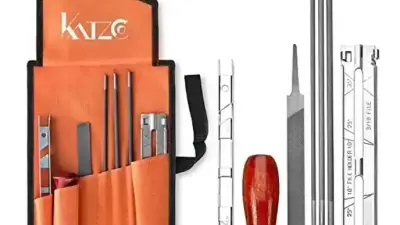
Choosing the right chain is only half the battle; maintaining it properly is the other. A dull chain is not only inefficient and frustrating, but it’s also dangerous. It forces you to push harder, increasing the risk of kickback and loss of control. Sharpen your chain frequently – I believe it’s better to make many quick touch-ups than to let it get completely dull. Ensure you use the correct file size for your chain’s pitch (e.g., 5/32″ for 3/8″ LP and .325″ chains, 7/32″ for standard 3/8″ and .404″ chains).
Also, regularly check your chain tension. A chain that’s too loose can derail, causing damage or injury. One that’s too tight will cause premature wear to the bar, chain, and saw. And never forget proper lubrication – keep that bar oil reservoir topped up! When your chain shows signs of excessive wear, cracks, or broken cutters that can’t be repaired, it’s time for a replacement. A well-maintained chain is a safe and effective chain, extending the life of your equipment and ensuring smooth operation every time you start your saw.
Choosing the right chainsaw chain isn’t just about making cuts; it’s about making smart, safe, and efficient cuts. By understanding pitch, gauge, drive links, and the different cutter types, you empower yourself to get the most out of your chainsaw. Take the time to identify your saw’s specifications and consider your typical tasks. Invest in the right chain, maintain it diligently, and you’ll experience a level of performance and safety that makes every job easier and more enjoyable. Happy cutting, and remember to always prioritize safety!