
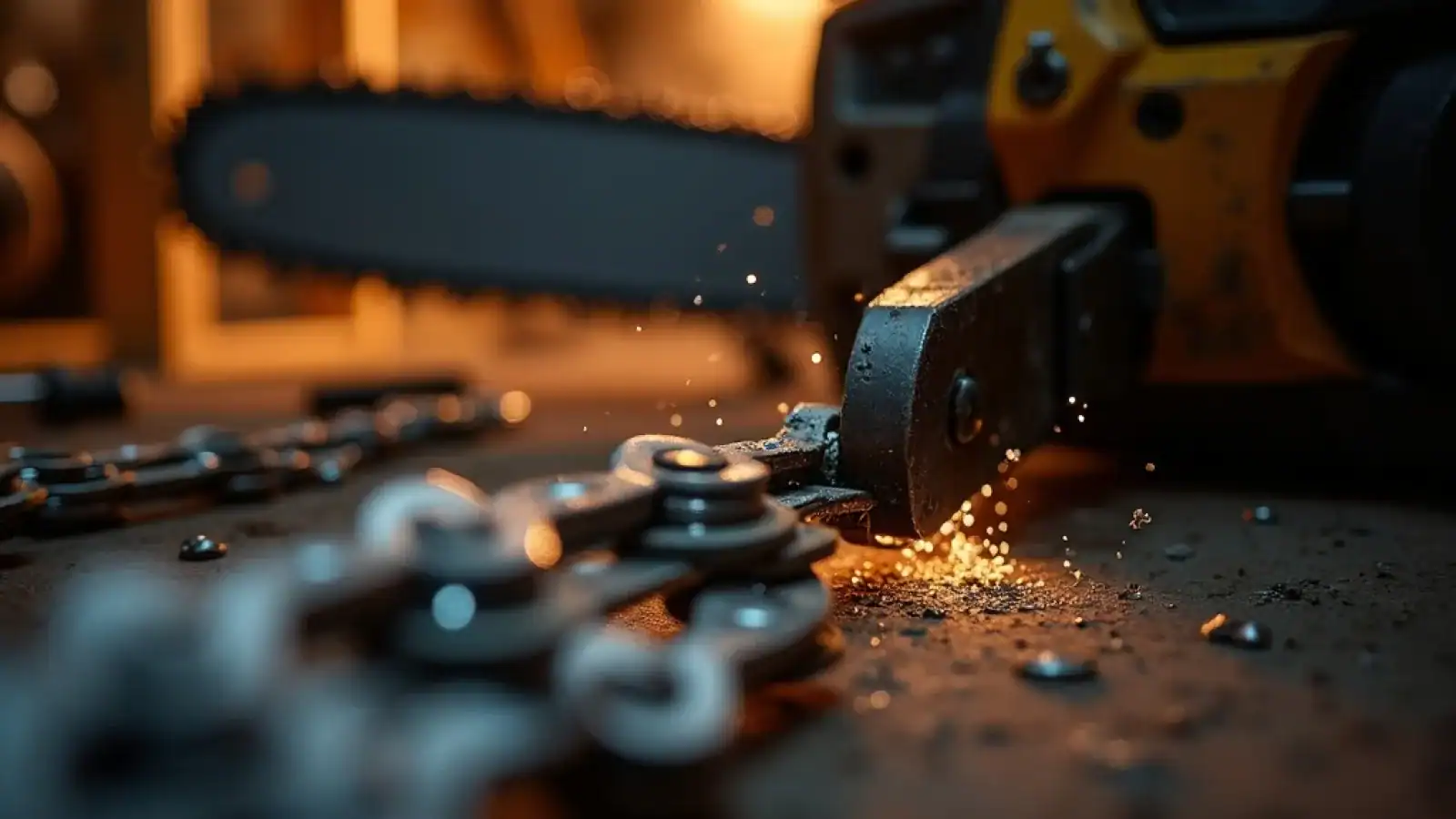

Unlock Longer Life for Your Electric Chainsaw: Avoid These Common Mistakes
Electric chainsaws have become a go-to tool for homeowners, DIY enthusiasts, and landowners. They’re lighter, quieter, and often require less fuss than their gas-powered counterparts. However, don’t let their simplicity fool you – regular maintenance is still crucial! Just like any other power tool, neglecting your electric chainsaw can lead to poor performance, frustrating breakdowns, and a significantly shorter lifespan. As an experienced outdoor power equipment specialist, I’ve seen countless saws meet an early end due to easily avoidable errors. Let’s dive into the top five electric chainsaw maintenance mistakes you absolutely need to avoid to keep your tool running strong for years.
Table Of Content
1. Neglecting Chain Sharpening
This is perhaps the most common mistake, and it has a ripple effect on your entire saw. A dull chain doesn’t just cut poorly; it forces your chainsaw’s motor to work much harder, leading to overheating, premature wear, and a drain on your battery (for cordless models) or increased power consumption (for corded). A sharp chain glides through wood, producing clean, consistent chips. A dull chain, on the other hand, will produce fine sawdust, smoke, and require you to push harder, which is both dangerous and inefficient.
- Symptoms of a Dull Chain: Sawdust instead of chips, smoking wood, requiring excessive force, poor cutting performance, pulling to one side.
- Actionable Advice: Sharpen your chain regularly. For typical homeowner use, this might mean every few hours of cutting, or immediately after hitting dirt, rocks, or metal. Most homeowner chains use a 5/32-inch round file, but always check your owner’s manual for the correct size for your specific chain (e.g., a common Oregon S52 chain found on many 14-inch electric saws). Use a filing guide to maintain the correct angle and depth. If sharpening feels daunting, consider taking your chain to a professional or investing in an electric chain sharpener for consistent results.
2. Ignoring Bar Lubrication and Cleaning
The guide bar is where the magic happens – the chain slides around it at high speeds. This incredible friction generates a lot of heat, and without proper lubrication, both the chain and the bar will wear out rapidly. Electric chainsaws typically have an automatic oiler, but it’s not a set-it-and-forget-it system.
- Why It’s Critical: Reduces friction and heat, prevents premature wear on the chain and bar, ensures smooth operation.
- Actionable Advice:
- Check Oil Reservoir: Always fill your bar and chain oil reservoir before each use. Never use regular motor oil, as it’s not formulated with the proper tackiness to stick to the fast-moving chain. Use a quality bar and chain oil.
- Clean the Bar Groove: Over time, sawdust and sap build up in the guide bar’s groove, blocking oil flow and increasing friction. After every few uses (or as needed), remove the chain and bar, and clean out the groove with a pick tool, a thin screwdriver, or a specialized bar cleaner.
- Flip the Bar: To ensure even wear and extend the life of your guide bar, flip it over periodically – say, every 8-10 hours of use. This distributes the wear on both the top and bottom edges of the bar.
3. Improper Battery or Cord Care
This mistake is specific to the power source of your electric chainsaw, and it directly impacts its longevity and performance.
- For Cordless Models (Battery Care):
- Avoid Deep Discharges: Don’t let your battery completely drain before recharging. Lithium-ion batteries (common in modern tools like the DeWalt 20V MAX or Ryobi 40V models) prefer partial charges.
- Proper Storage: Store batteries at a moderate charge level (around 50-75%) in a cool, dry place, away from extreme temperatures. Leaving them fully charged or fully depleted for extended periods can degrade their capacity.
- Use Original Chargers: Always use the charger specifically designed for your battery pack. Off-brand chargers can damage the battery or lead to safety hazards.
- For Corded Models (Cord Care):
- Inspect for Damage: Before each use, visually inspect the power cord for cuts, fraying, or exposed wires. Damaged cords are a serious electrical hazard.
- Proper Coiling: When storing, coil the cord neatly without kinks or tight bends. Avoid wrapping it too tightly around the tool itself, which can strain the connection points.
- Extension Cords: If using an extension cord, ensure it’s rated for outdoor use and has a sufficient gauge (e.g., 12-gauge for longer runs) to handle the saw’s amperage without overheating.
4. Skipping Basic Cleaning After Use
Sawdust, wood chips, and sap can quickly accumulate on your chainsaw, especially around the motor vents, chain brake, and sprocket cover. This isn’t just unsightly; it can cause serious problems.
- Why It Matters: Build-up can block cooling vents, leading to motor overheating. It can also interfere with the chain brake mechanism, reducing its effectiveness, or clog the sprocket, causing premature wear.
- Actionable Advice:
- After Every Use: Take a few minutes to clean your saw. Remove the battery (or unplug), take off the sprocket cover, and remove the guide bar and chain.
- Brush and Blow: Use a stiff brush or compressed air to clear sawdust and debris from around the motor housing, cooling vents, chain brake, and inside the sprocket cover.
- Sap Removal: Sap is sticky and can be tough to remove. Use a specialized sap remover, kerosene, or even a bit of WD-40 on a rag to clean the bar and chain. Ensure to thoroughly clean and re-oil the chain and bar after using any solvent.
5. Overlooking Chain Tension
Correct chain tension is paramount for both safety and cutting efficiency. A chain that’s too loose can derail, potentially causing serious injury, while a chain that’s too tight can put excessive strain on the motor, guide bar, and sprocket, leading to rapid wear and overheating.
- Symptoms of Incorrect Tension:
- Too Loose: Chain sags noticeably on the underside of the bar, rattles, or comes off the bar during cutting.
- Too Tight: Chain doesn’t move freely when pulled by hand, smokes during operation, or the motor strains excessively.
- Actionable Advice:
- Check Before Every Use: Always check the chain tension before starting your saw. The chain should be snug against the guide bar, but you should still be able to pull it freely around the bar with a gloved hand. You should also be able to lift the drive links in the middle of the bar slightly (usually 1/8 to 1/4 inch, but consult your manual).
- Adjust as Needed: Most electric chainsaws, like many Greenworks or EGO models, have a tool-less tensioning dial or a simple screw adjustment. Always follow the specific instructions in your owner’s manual for proper tensioning, and recheck tension after a few cuts, as new chains can stretch.
Conclusion
Your electric chainsaw is a powerful and convenient tool, but like any piece of equipment, it thrives on consistent care. By avoiding these five common maintenance mistakes – neglecting chain sharpening, ignoring bar lubrication, improper battery/cord care, skipping basic cleaning, and overlooking chain tension – you’ll not only extend the life of your tool but also ensure safer, more efficient, and more enjoyable cutting experiences. A little bit of routine maintenance goes a long way in keeping your electric chainsaw a reliable workhorse for years to come.