


Embrace the Heat: Your Guide to DIY Firewood Processing
There’s nothing quite like the warmth and ambiance of a roaring fire fueled by wood you’ve processed yourself. Beyond the satisfaction, DIY firewood processing can save you money and provide a reliable heat source. As an experienced outdoor power equipment specialist, I’m here to guide you through maximizing both efficiency and safety in your firewood endeavors.
Table Of Content
- Embrace the Heat: Your Guide to DIY Firewood Processing
- Safety First: Your Non-Negotiable Priority
- Choosing the Right Tools for the Job
- 1. The Chainsaw
- 2. Log Splitter
- 3. Essential Support Tools
- Efficient firewood processing Techniques
- 1. Bucking Logs
- 2. Splitting Wood
- 3. Stacking & Seasoning
- Chainsaw Maintenance for Longevity
- Conclusion
Safety First: Your Non-Negotiable Priority
Before you even think about starting a chainsaw, let’s talk safety. This isn’t just a recommendation; it’s a rule. Chainsaws are powerful tools that demand respect.
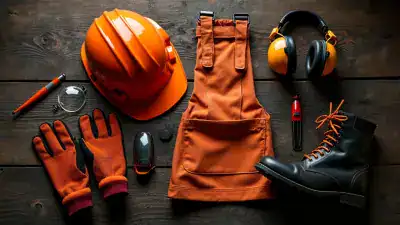
- Personal Protective Equipment (PPE): Always wear a safety helmet (with integrated hearing and eye protection), chainsaw chaps or pants (essential for protecting your legs from chain contact), heavy-duty work gloves, and steel-toed boots.
- Clear Work Area: Ensure your cutting area is free of tripping hazards, debris, and bystanders. Make sure you have firm footing.
- Never Work Alone: Always have someone nearby who knows you’re operating a chainsaw and can assist in an emergency. Keep a well-stocked first-aid kit handy.
- Pre-Operation Check: Before each use, inspect your chainsaw. Check chain tension, ensure the chain brake is functional, confirm no loose parts, and that fuel and oil levels are correct.
- Proper Stance and Grip: Maintain a balanced stance with your feet shoulder-width apart. Always use two hands on the chainsaw, keeping a firm grip, and never operate it above shoulder height.
Choosing the Right Tools for the Job
Having the correct equipment makes all the difference in efficiency and safety.
1. The Chainsaw
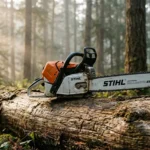
For most homeowners, a gas-powered chainsaw with a 16 to 20-inch bar is ideal for bucking logs into firewood lengths. Models like the Stihl MS 250 or Husqvarna 450 Rancher offer a great balance of power, weight, and reliability. If you’re dealing with smaller logs or prefer less maintenance and noise, battery-powered options like the Greenworks Pro 80V or Ego Power+ 56V can be excellent choices, especially for occasional use.
- Bar Length: Match the bar length to the typical diameter of the logs you’ll be cutting. A 16-18 inch bar is versatile for most homeowner needs.
- Chain Type: A semi-chisel chain is generally recommended for homeowners. It’s less prone to kickback and holds an edge longer when cutting through slightly dirty wood compared to full-chisel chains.
2. Log Splitter
While an axe or splitting maul is great for smaller amounts or specific wood types, a log splitter significantly boosts efficiency for larger volumes.
- Manual Splitters: Best for small, knot-free logs.
- Electric Splitters: Quiet, fume-free, and suitable for moderate amounts of wood (e.g., up to 20-ton splitting force for logs up to 20 inches long).
- Gas-Powered Hydraulic Splitters: The powerhouse choice for large logs and high volumes, offering 20-30+ tons of splitting force.
3. Essential Support Tools
- Sawhorse or Log Crib: Provides stable support for bucking logs, preventing the chainsaw from hitting the ground.
- Measuring Tape & Marking Crayon: For consistent firewood length (typically 16-20 inches to fit most stoves).
- Splitting Maul & Wedges: Handy for stubborn logs or splitting extra-large rounds.
- Log Tongs or Cant Hook: Excellent for moving and positioning logs safely without straining your back.
Efficient firewood processing Techniques
1. Bucking Logs
This is the process of cutting long logs into manageable firewood lengths.
- Measure & Mark: Use your tape and crayon to mark your desired lengths (e.g., 16 inches) along the log.
- Support Safely: Place the log on a sturdy sawhorse or construct a log crib to elevate it. Never cut on the ground, which can dull your chain instantly.
- Tension & Compression Cuts: Understanding wood tension is key to avoiding pinched chains and kickback.
- When the log is supported on both ends (tension on top): Make a small “relief” cut from the bottom (compression side) about one-third of the way through, then finish the cut from the top.
- When the log is supported in the middle (tension on bottom): Make a top cut about one-third of the way through, then finish from the bottom.
Always be aware of which way the wood wants to move as you cut.
2. Splitting Wood
Once bucked, it’s time to split.
- Aim for the Cracks: Look for existing checks or cracks in the log ends; they’re natural weaknesses.
- With a Maul: Use a firm, controlled swing, letting the maul’s weight do the work. Always aim for the center of the log or a visible crack. Keep your feet clear.
- With a Splitter: Follow the manufacturer’s instructions. Position logs securely. Be mindful of flying wood chips – eye protection is a must even when operating a splitter.
3. Stacking & Seasoning
Proper seasoning is crucial for good-burning firewood. Green wood burns poorly, creates creosote buildup, and wastes heat.
- Stack Smart: Create stable stacks, ideally in a single row, elevated off the ground (e.g., on pallets) and covered on top to protect from rain, but open on the sides for maximum airflow.
- Location: Choose a sunny, breezy spot to accelerate drying.
- Seasoning Time: Most hardwoods need 6-12 months to properly season, reaching a moisture content below 20%. You can check this with a firewood moisture meter.
Chainsaw Maintenance for Longevity
Regular maintenance ensures your tools are always ready and safe to use.
- Chain Sharpening: A sharp chain is a safe and efficient chain. Sharpen it every few tanks of fuel, or whenever you notice sawdust instead of wood chips, or it starts pulling to one side. A filing guide makes this process much easier.
- Bar Maintenance: Flip your guide bar regularly to ensure even wear. Clean the guide bar groove and oil holes.
- Air Filter: Clean or replace the air filter frequently, especially in dusty conditions.
- Spark Plug: Check and clean or replace the spark plug as per your chainsaw’s manual.
- Fuel Mix: Always use fresh, properly mixed two-stroke fuel for gas chainsaws. Stale fuel can cause significant engine problems.
Conclusion
Processing your own firewood is a rewarding endeavor that connects you with your home’s warmth on a deeper level. By prioritizing safety, choosing the right tools, and employing efficient techniques, you’ll be well on your way to a season of cozy, crackling fires. Stay safe, work smart, and enjoy the fruits of your labor!