
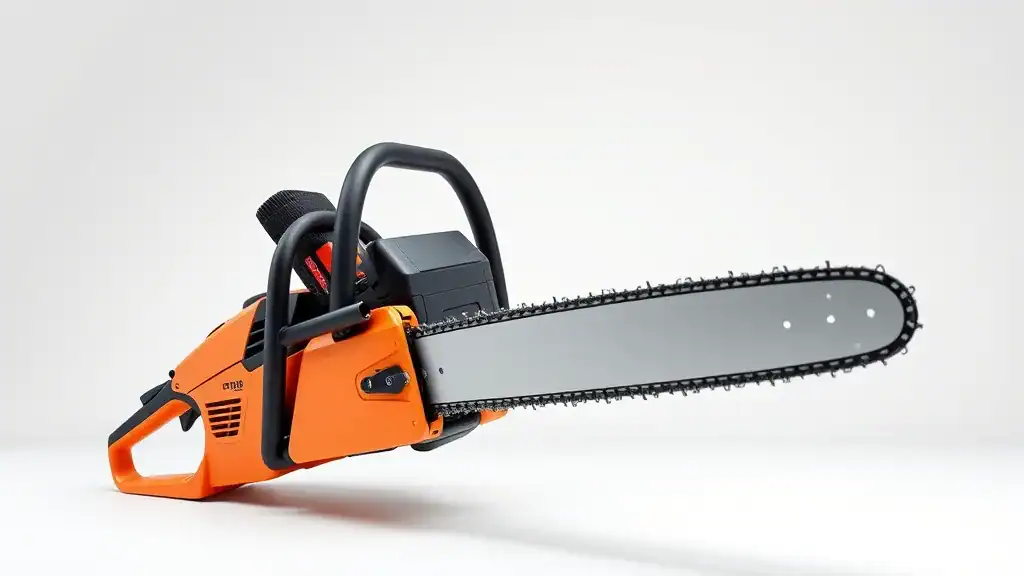

Introduction: Electric Chainsaws for the Modern Homeowner
As an experienced outdoor power equipment specialist, I’ve seen firsthand how electric chainsaws have transformed the landscape for homeowners. Gone are the days when gas was your only serious option for cutting wood around the house. Electric models, both corded and cordless, offer a quieter, cleaner, and often simpler alternative. But which one is best for your specific needs? Let’s dive into a head-to-head comparison to help you make an informed decision.
Table Of Content
- Introduction: Electric Chainsaws for the Modern Homeowner
- Corded Electric Chainsaws: The Plug-and-Play Powerhouses
- Pros of Corded Electric Chainsaws
- Cons of Corded Electric Chainsaws
- Cordless Electric Chainsaws: Freedom and Flexibility
- Pros of Cordless Electric Chainsaws
- Cons of Cordless Electric Chainsaws
- Head-to-Head Comparison: Key Factors to Consider
- Power and Performance
- Portability and Range
- Runtime and Convenience
- Cost (Initial & Long-Term)
- Maintenance and Durability
- Safety
- Which Electric Chainsaw is Right for You?
- Essential Safety Tips for All Electric Chainsaws
- Final Thoughts
Corded Electric Chainsaws: The Plug-and-Play Powerhouses
Corded electric chainsaws are the workhorses for homeowners who have easy access to power outlets. They offer consistent, reliable power for as long as you need it, without worrying about battery life or fuel mixes.
Pros of Corded Electric Chainsaws:
- Consistent Power: As long as it’s plugged in, you get steady power. Typical models feature 12-15 amp motors, providing ample cutting force for limbs, small trees, and firewood.
- Lighter Weight: Without a heavy battery pack, corded models are generally lighter and less fatiguing to use, especially for extended periods.
- Lower Initial Cost: They tend to be significantly more affordable upfront compared to their cordless counterparts, making them a great budget-friendly option.
- Less Maintenance: Beyond chain sharpening and keeping the bar oiled, there’s no battery to charge or maintain.
- Examples: Models like the Greenworks 12 Amp 18-inch Corded Chainsaw or the Worx WG303.1 16-inch Electric Chainsaw are popular choices.
Cons of Corded Electric Chainsaws:
- Limited Range: You’re tethered to a power outlet by an extension cord, limiting how far you can work from your home or garage.
- Extension Cord Management: Dealing with long cords can be cumbersome and poses a tripping hazard or the risk of accidentally cutting the cord, which is a significant safety concern.
- Requires Proper Extension Cords: You’ll need a heavy-duty, outdoor-rated extension cord (e.g., 12-gauge for longer runs) to prevent voltage drop and ensure safe operation.
Cordless Electric Chainsaws: Freedom and Flexibility
Cordless electric chainsaws have exploded in popularity due to advances in battery technology. They offer unparalleled freedom of movement, allowing you to tackle tasks anywhere on your property without being restricted by a power cord.
Pros of Cordless Electric Chainsaws:
- Unrestricted Portability: Go anywhere! Ideal for properties with no outdoor outlets or for clearing brush deep in the yard.
- Convenience: Grab and go – no need to hunt for an outlet or untangle cords.
- No Cord Hazards: Eliminates the tripping risk and the danger of cutting through a power cord.
- Growing Power & Runtime: Modern cordless saws, especially those running on 40V, 60V, or even 80V battery systems (like the EGO Power+ 56V 18-inch Chainsaw or DeWalt 60V MAX 16-inch Chainsaw), offer impressive power comparable to smaller gas saws, often featuring efficient brushless motors. Battery capacities measured in Amp-hours (Ah) dictate runtime, with higher Ah meaning longer use.
Cons of Cordless Electric Chainsaws:
- Battery Runtime & Charging: You’re limited by battery life. While many come with fast chargers and you can purchase spare batteries, there’s always a finite run time before needing a recharge.
- Higher Initial Cost: The cost of the battery and charger significantly increases the upfront investment. However, if you already own other tools in a manufacturer’s battery platform (e.g., Ryobi 40V, DeWalt 20V/60V), you might save by buying a “tool-only” option.
- Heavier: The battery pack adds considerable weight to the chainsaw, which can lead to fatigue during prolonged use.
- Battery Lifespan & Replacement Cost: Batteries degrade over time and can be expensive to replace. Proper battery care (storing in a cool, dry place, not letting them fully discharge) is crucial.
Head-to-Head Comparison: Key Factors to Consider
Power and Performance:
For typical homeowner tasks like limbing, pruning, and cutting small to medium-sized firewood (up to 12-16 inches in diameter), both types of electric chainsaws offer sufficient power. Corded saws provide constant peak performance, while cordless saws deliver bursts of power but can lose efficiency as the battery drains. Look for saws with appropriate bar lengths (12-18 inches are common for electrics) and low-kickback chains for safety.
Portability and Range:
This is where cordless truly shines. If you have a large property, need to clear brush away from power sources, or simply value unrestricted movement, cordless is the clear winner. Corded saws are best suited for tasks close to an electrical outlet.
Runtime and Convenience:
Corded saws offer unlimited runtime (as long as you have power). Cordless saws are limited by battery capacity. For quick, intermittent tasks, cordless is more convenient. For continuous, longer jobs, corded might be less frustrating.
Cost (Initial & Long-Term):
Corded chainsaws almost always have a lower initial purchase price. Cordless chainsaws require a larger upfront investment for the tool, battery, and charger. Long-term costs for cordless include eventual battery replacement. Corded costs might include durable extension cords.
Maintenance and Durability:
Both types require regular chain sharpening, bar lubrication (checking the automatic oiler), and cleaning. Cordless models add battery care to the list. Electric motors, in general, are simpler than gas engines, leading to fewer mechanical issues.
Safety:
Both require diligent safety practices. With corded saws, be acutely aware of the extension cord’s position to prevent tripping or cutting it. With cordless saws, the primary safety concern shifts to ensuring batteries are properly maintained and not damaged.
Which Electric Chainsaw is Right for You?
To help you decide, consider these scenarios:
- Small Yard, Near Outlets, Budget-Conscious: A corded electric chainsaw is likely your best bet. It’s powerful enough for most tasks, affordable, and easy to maintain.
- Large Property, Remote Work Areas, Value Freedom: A cordless electric chainsaw will provide the portability and convenience you need. Invest in a higher voltage system (e.g., 40V or 60V) and consider an extra battery for extended work.
- Occasional Light Tasks (pruning, small branches): Both can work, but a lighter, smaller corded saw might be more economical, or a compact 20V cordless model if you already have the battery system.
- Frequent, Heavier Use (firewood, felling small trees): Look for a high-amp corded model or a powerful 60V/80V cordless with a robust brushless motor and an 18-inch bar.
Essential Safety Tips for All Electric Chainsaws
Regardless of whether you choose corded or cordless, always prioritize safety:
- Wear Personal Protective Equipment (PPE): This includes safety glasses, hearing protection, gloves, sturdy footwear, and chainsaw chaps.
- Read the Manual: Familiarize yourself with your specific chainsaw’s features and safety guidelines.
- Clear Your Work Area: Remove obstacles, debris, and ensure a stable footing.
- Maintain Proper Stance: Keep both hands on the saw, ensuring good balance.
- Never Cut Above Shoulder Height: This reduces control and increases the risk of kickback.
- Keep Your Chain Sharp: A sharp chain cuts efficiently and safely. A dull chain forces you to push harder, increasing the risk of accidents.
Final Thoughts
Both corded and cordless electric chainsaws are excellent tools for homeowners, offering significant advantages over traditional gas models for many applications. Your choice ultimately depends on your specific property size, the types of tasks you’ll perform, and your budget. By weighing the pros and cons outlined above, you can confidently select the electric chainsaw that will serve you best for years to come.