


As a chainsaw expert and experienced outdoor power equipment specialist, I’ve seen many beginners make the same mistakes when operating a chainsaw. These mistakes can be costly, not only in terms of damage to the equipment but also in terms of personal safety. In this article, we’ll explore the top 10 common chainsaw mistakes that beginners must avoid to ensure a safe and successful cutting experience.
Table Of Content
Chainsaws are powerful tools that require respect and proper handling. According to the U.S. Consumer Product Safety Commission, there are over 28,000 chainsaw-related injuries treated in U.S. emergency rooms each year. Many of these injuries could have been prevented if the operators had followed proper safety protocols and avoided common mistakes.
As a beginner, it’s essential to understand that Chainsaw Safety is not just about wearing protective gear, but also about understanding how to properly operate and maintain the equipment. By avoiding common mistakes, you can minimize the risk of accidents and ensure a successful cutting experience.
Understanding Chainsaw Safety Protocols
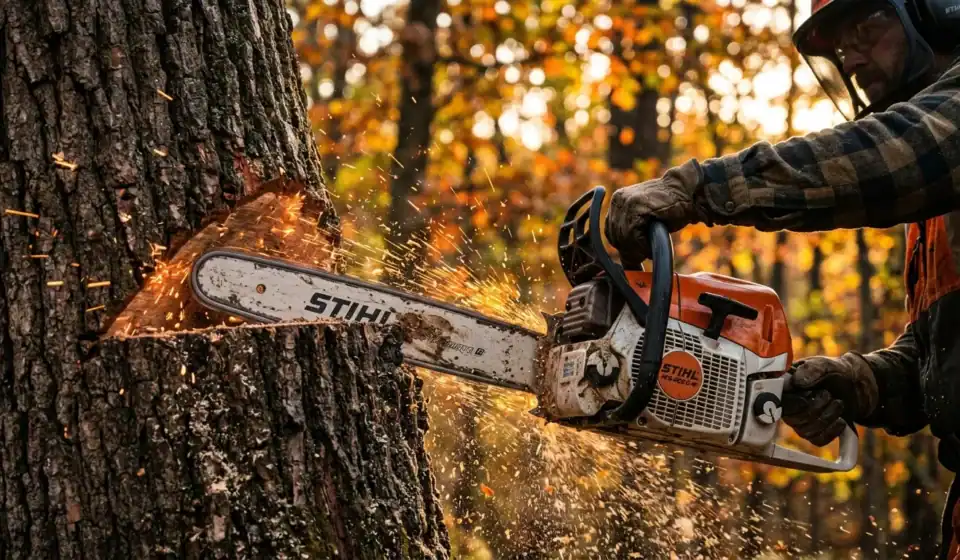
Before we dive into the common mistakes, it’s essential to understand the basic safety protocols when operating a chainsaw. This includes wearing protective gear such as gloves, safety glasses, ear protection, and a helmet. It’s also crucial to ensure that the chainsaw is properly maintained, with a sharp chain and a functioning brake system.
Additionally, it’s essential to understand the concept of “kickback,” which occurs when the chainsaw’s chain gets stuck or binds, causing the saw to kick back towards the operator. To avoid kickback, it’s essential to use a chainsaw with a kickback guard and to always maintain a safe distance from the cutting area.
Common Mistakes to Avoid
Now that we’ve covered the basics of Chainsaw Safety, let’s explore the top 10 common mistakes that beginners must avoid. These mistakes include:
- Not wearing protective gear
- Not properly maintaining the chainsaw
- Using the wrong type of chain
- Not following proper cutting techniques
- Not using a kickback guard
- Not maintaining a safe distance from the cutting area
- Not being aware of the surroundings
- Not following proper starting and stopping procedures
- Not storing the chainsaw properly
- Not seeking professional help when needed
By avoiding these common mistakes, beginners can minimize the risk of accidents and ensure a safe and successful cutting experience.
Real-World Examples of Chainsaw Mistakes
I recall a situation where a beginner chainsaw user failed to wear protective gear and ended up with a severe eye injury. The user was cutting a tree branch when a piece of debris flew back and hit him in the eye. This incident could have been prevented if the user had worn proper eye protection.
Another example is a user who failed to properly maintain their chainsaw, resulting in a kickback incident. The user was cutting a large log when the chain got stuck, causing the saw to kick back and hit him in the chest. This incident could have been prevented if the user had properly maintained the chainsaw and used a kickback guard.
Proper Chainsaw Maintenance and Techniques
Proper Chainsaw Maintenance and techniques are essential to avoiding common mistakes. This includes regularly sharpening the chain, checking the brake system, and ensuring that the saw is properly lubricated.
Additionally, it’s essential to understand proper cutting techniques, such as using the correct cutting angle and maintaining a safe distance from the cutting area. It’s also crucial to understand how to properly start and stop the chainsaw, as well as how to store it when not in use.
For example, when cutting a tree, it’s essential to use a “V” cut to ensure that the tree falls in the desired direction. This involves cutting a “V” shape into the trunk of the tree, with the top of the “V” facing the direction you want the tree to fall.
Choosing the Right Chainsaw for the Job
Choosing the right chainsaw for the job is also essential to avoiding common mistakes. This includes selecting a chainsaw with the right amount of power and a chain that’s suitable for the type of cutting you’ll be doing.
For example, if you’re cutting small branches, a lightweight chainsaw with a short bar length may be suitable. However, if you’re cutting large logs, a more powerful chainsaw with a longer bar length may be required.
Some popular chainsaw models for beginners include the Husqvarna 120i, the Stihl MS 170, and the Echo CS-400. These saws are all relatively lightweight and easy to handle, making them perfect for beginners.
Conclusion and Final Thoughts
In conclusion, avoiding common chainsaw mistakes is essential to ensuring a safe and successful cutting experience. By understanding proper safety protocols, maintaining the chainsaw, and using proper cutting techniques, beginners can minimize the risk of accidents and ensure a successful cutting experience.
As a chainsaw expert, I strongly recommend that beginners take the time to learn about Chainsaw Safety and maintenance before operating a chainsaw. This includes reading the user manual, watching instructional videos, and seeking professional help when needed.
By following these tips and avoiding common mistakes, beginners can become confident and competent chainsaw users, able to tackle a variety of cutting tasks with ease and safety.
Final Thoughts and Recommendations
In final thoughts, I recommend that beginners start with a small, lightweight chainsaw and gradually move to more powerful models as they gain experience. It’s also essential to practice proper cutting techniques and to always maintain a safe distance from the cutting area.
Additionally, I recommend that beginners consider taking a Chainsaw Safety course to learn more about proper safety protocols and maintenance techniques. These courses are often offered by local hardware stores or online and can provide valuable insights and hands-on experience.
By following these recommendations and avoiding common mistakes, beginners can become safe and confident chainsaw users, able to tackle a variety of cutting tasks with ease and precision.